
13 Sept 2026, 06:20 AM 4 min readhealth
Jalandhar Swine Flu Cases Rise to 17 Amid Heightened Health Surveillance
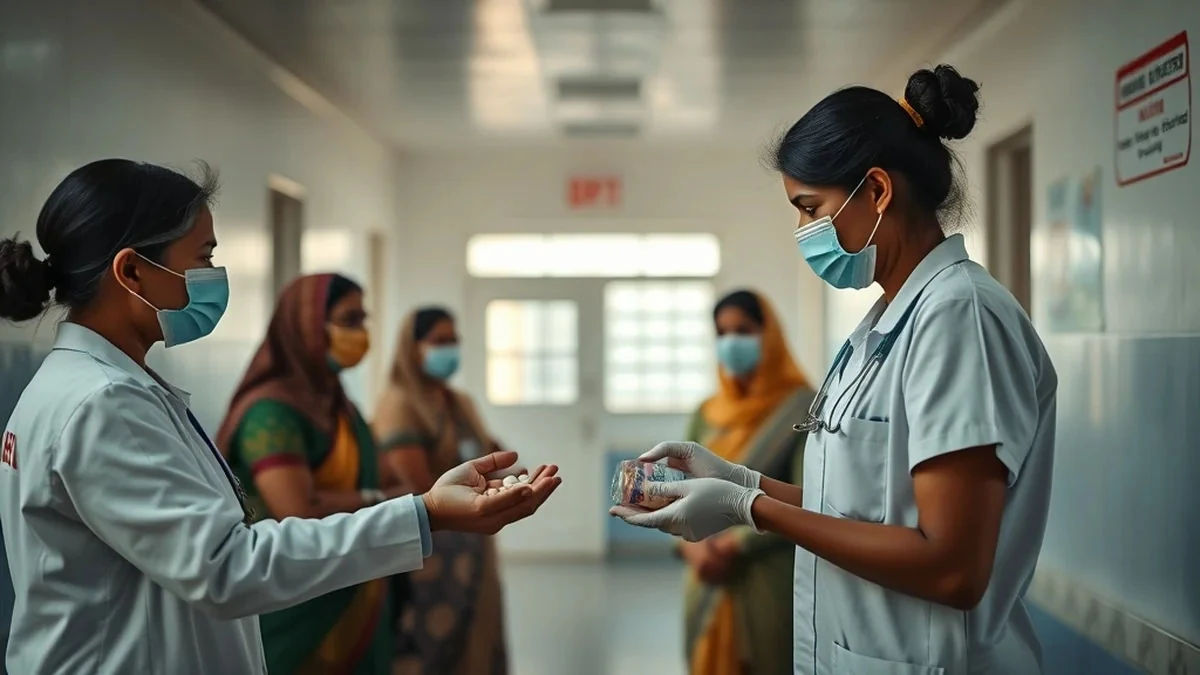
Health authorities in Jalandhar have reported a sharp increase in H1N1 influenza cases, with the district tally reaching 17 as of September 13, 2026. The surge, characterized by seven new positive tests within a six-day window, has prompted local medical officials to intensify surveillance and isolation protocols across the region. The district remains the only one in the state to have recorded a suspected death linked to the virus, following the passing of an 85-year-old resident at the Civil Hospital earlier this month.
While the total number of infections remains relatively low compared to the district's overall population, the rapid uptick has triggered proactive measures from the Health Department. Officials are currently managing a small number of hospitalizations while emphasizing the necessity of public adherence to safety guidelines, including the use of masks in crowded environments and the prompt reporting of influenza-like symptoms to medical specialists.
Surveillance and Clinical Response
The Jalandhar Health Department has implemented a multi-layered response to contain the spread of the H1N1 virus. Central to this strategy is the establishment of dedicated flu corners within the emergency department of the Civil Hospital, designed to screen and isolate patients presenting with respiratory distress or influenza-like symptoms. To accommodate those requiring closer observation, a four-bed isolation ward has been activated at the local Trauma Centre.
Civil Surgeon Dr. Rajesh Gary provided context on the current epidemiological situation, noting that the reported cases represent a small fraction of the total population. According to Dr. Gary, "The patients being reported in Jalandhar are a miniscule number in proportion to the population, in keeping with the upsurge in the disease in general." He confirmed that of the 107 individuals tested for the virus, 17 have returned positive results. Current hospitalizations are limited, with two patients receiving care at DMC in Ludhiana and one remaining at the Civil Hospital in Jalandhar.
Investigation into Recent Fatality
Public health concern has been heightened by the death of Mool Raj, an 85-year-old resident of Jamsher Khas, who passed away at the Civil Hospital on September 4. The patient, who had tested positive for swine flu on September 2, suffered from chronic obstructive pulmonary disease and other comorbidities. His death has been classified as a suspected swine flu fatality, pending the results of a formal clinical audit.
Health authorities have ordered this audit to determine the specific role of the H1N1 virus in the patient's death, given his underlying health conditions. This case remains the only suspected swine flu-related death reported in the state of Punjab during the current surge. The department is using the investigation to refine its protocols for managing high-risk patients, particularly the elderly and those with chronic respiratory issues who are disproportionately vulnerable to influenza complications.
Public Health Advisory and Prevention
In response to the rising case count, the Health Department has issued a formal advisory urging residents to exercise caution. Officials have specifically recommended that individuals avoid crowded public spaces unless wearing a mask and seek immediate medical consultation if they experience symptoms such as persistent cough, fever, or wheezing. These measures are intended to break the chain of transmission in community settings.
Recent cases highlight the geographic spread of the virus within the district. Among the latest patients are a 30-year-old man from Powari village in Phillaur, who is currently admitted to the Civil Hospital, and a 19-year-old girl from Bhogpur, who is undergoing treatment while in home isolation. These cases underscore the importance of localized monitoring as health teams continue to track the movement of the virus across both urban and rural pockets of Jalandhar.
Ongoing Monitoring and Future Steps
The Health Department continues to monitor the situation closely, with teams prepared to scale up screening efforts if the rate of infection accelerates. The current focus remains on early detection and the separation of symptomatic individuals from the general patient population at healthcare facilities. Officials have not indicated any plans for broader lockdowns or restrictive measures, opting instead for targeted surveillance and public awareness campaigns.
As the audit into the recent fatality continues, the department is expected to release further guidance regarding the management of H1N1 cases in patients with pre-existing comorbidities. Residents are advised to monitor official communications from the Civil Surgeon's office for updates on testing availability and any changes to local health protocols. The current strategy relies heavily on public cooperation in reporting symptoms early, which remains the primary mechanism for preventing severe outcomes and limiting the further spread of the virus.
The Indus Pulse is committed to accuracy and transparency.