
Inhaled Living Medicine Reduces Drug-Resistant Pseudomonas Lung Biofilms in Large Animal Trial
An inhaled live biotherapeutic treatment significantly reduced drug-resistant Pseudomonas aeruginosa biofilms within the lungs of pigs, according to research published in the journal eBioMedicine. The experimental therapy deploys a genetically modified bacterium engineered to dissolve the protective matrix of multi-drug-resistant pathogens colonizing endotracheal breathing tubes. According to study findings reported by The Medical News, this breakthrough marks the first instance where the living medicine demonstrated efficacy in a large animal model. Pigs possess respiratory systems that closely mirror human pulmonary anatomy in terms of lung capacity, structural airways, and localized immune responses. The results validate the therapeutic mechanism across large mammals following earlier preclinical tests in laboratory mice.
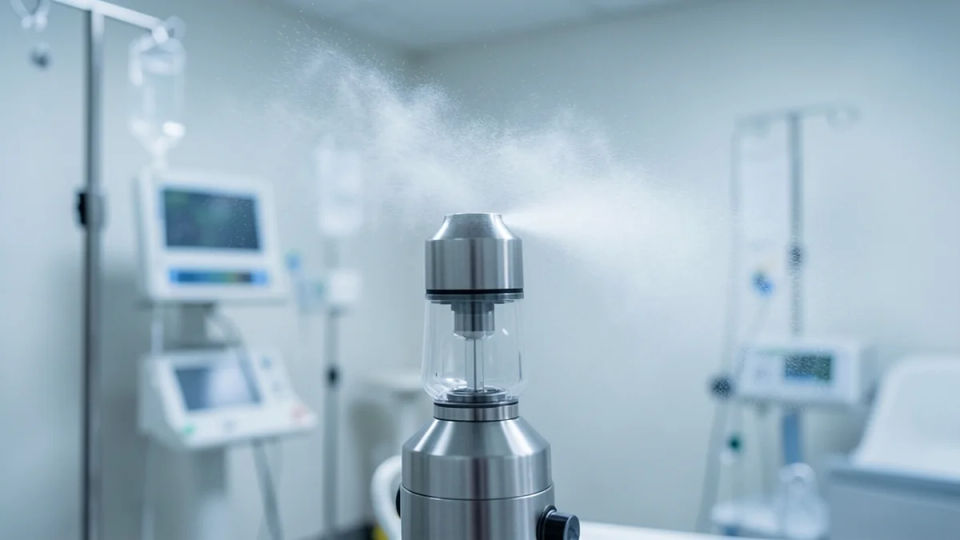
The therapeutic candidate was delivered directly via a standard medical nebulizer, mirroring the exact inhalation equipment utilized by human patients in clinical intensive care settings. Administering the modified organism thinned bacterial biofilms lining the interior surfaces of breathing tubes from 6.08 to 3.67 micrometres, achieving a reduction of approximately 40%. The therapy utilizes Mycoplasma pneumoniae, an organism naturally adapted to pulmonary tissue that scientists modified to render it non-pathogenic in human hosts. Researchers engineered the microbe to express enzymes capable of degrading biofilm structural sugars alongside targeted toxins that selectively destroy Pseudomonas aeruginosa cells. Senior co-author Dr Irene Rodriguez-Arce characterized the mechanism as a Trojan horse strategy that reprogrammed a pulmonary organism to deliver therapeutic compounds directly to infection sites. Researchers at the Centre for Genomic Regulation are developing modified versions of the living medicine to treat pulmonary fibrosis and lung cancer, according to Centre for Genomic Regulation. In 2015, the European Research Council provided €2,454,522 in funding for the development of the minimal bacterial therapeutic chassis, according to Centre for Genomic Regulation.
Post-treatment pathological examinations revealed zero tissue damage or adverse pulmonary inflammation caused by the engineered bacterial strain within the subjects' respiratory tracts. Additionally, the biotherapeutic produced no measurable disruptions to native airway microflora, demonstrating precise antimicrobial targeting of pathogenic Pseudomonas colonies. Hospitalized patients requiring mechanical ventilation frequently develop persistent biofilms on endotracheal tubes within days of intubation. Intravenous antibiotic infusions struggle to penetrate the slimy physical barriers of biofilms, often triggering recurring hospital-acquired infections. Biofilms represent a primary cause of ventilator-associated pneumonia, with Pseudomonas aeruginosa responsible for approximately one in four clinical occurrences.
Study co-author Dr Antoni Torres underscored that antimicrobial resistance constitutes a silent pandemic in hospital intensive care units, with Pseudomonas among the most intractable pathogens. Torres noted that deploying engineered live biotherapeutics establishes a new therapeutic approach for pulmonary medicine. The successful porcine trials provide robust preclinical validation for future first-in-human clinical safety trials, according to The Medical News. Future clinical strategies may combine nebulized live biotherapeutics with intravenous antibiotics to amplify therapeutic efficacy against resistant pulmonary infections.