
ICMR to Establish High-Altitude Health Research Centre in Himachal
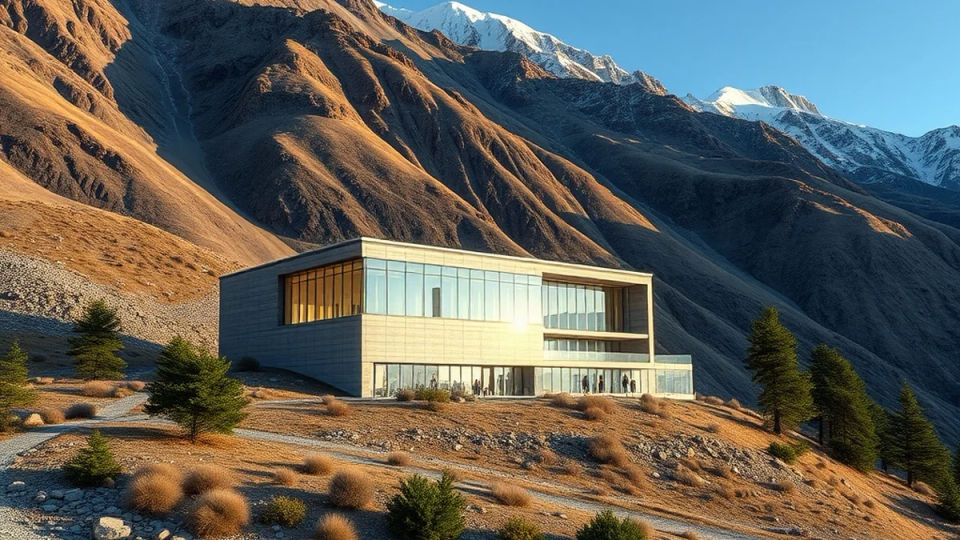
The Indian Council of Medical Research (ICMR) is set to establish the Centre for High Altitude Medicine and Public Health Research (ICMR-CHAMP) in Keylong, Lahaul and Spiti district, Himachal Pradesh. Union Health Minister Jagat Prakash Nadda will lay the foundation stone for the facility on October 12, marking the country's first dedicated research centre focused on high-altitude medicine.
Addressing Himalayan Health Challenges
The centre is designed to address the unique public health challenges inherent to the Himalayan ecosystem, including extreme climatic conditions, difficult terrain, and geographical isolation. By strengthening multidisciplinary research and capacity building, the facility aims to generate scientific evidence for context-specific healthcare solutions. Research will focus on high-altitude physiology, acclimatisation, mountain medicine, and the management of both infectious and non-communicable diseases in high-altitude populations.
Technological Integration and Collaboration
ICMR-CHAMP will leverage modern technological interventions to improve healthcare delivery in remote areas. Planned initiatives include the deployment of digital health platforms, telemedicine, drone-enabled healthcare logistics, and real-time public health surveillance. The centre will also foster institutional collaborations with the Armed Forces Medical Services (AFMS), national research institutes, and the Himachal Pradesh government to support translational research and evidence-based policymaking. The facility is expected to facilitate long-term field studies on the relationship between environmental conditions, climate variability, and health outcomes, contributing to both tribal health and global research in high-altitude medicine.
Why high-altitude research needs local evidence
Health risks at altitude are influenced by elevation, ascent speed, physical exertion, pre-existing conditions and access to timely care. Data collected among residents, seasonal workers and first-time visitors can answer different questions, so the centre's value will depend on its research design as much as its equipment. Useful work could include population-level monitoring, physiology studies, better referral pathways and validated prevention guidance for Himalayan communities. A proposed research facility does not itself establish that a new therapy is available or that travellers face uniform risks. Relevant measures of success include published protocols, peer-reviewed findings, ethical oversight, local partnerships and evidence that the research improves practical health services in remote districts.
Sources & Citations
- Deccan Herald report
- Devdiscourse report
- The Economic Times report
- Press Information BureauPrimary / official
- Press Information BureauPrimary / official
- DD NewsPrimary / official
- NDTV