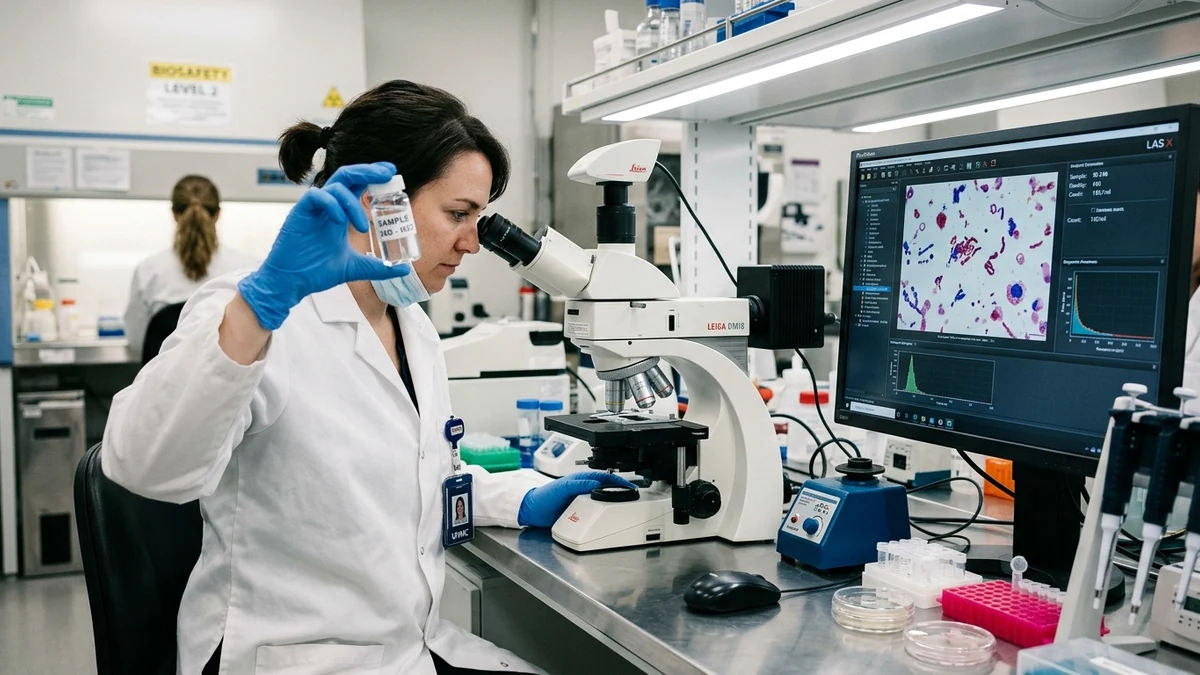
An exhaustive joint epidemiological investigation conducted by the Indian Council of Medical Research (ICMR) and the Kerala State Health Department has established a critical environmental link between unchlorinated, stagnant domestic well water and recent clusters of Primary Amoebic Meningoencephalitis (PAM), a rare but catastrophic central nervous system infection commonly referred to in public discourse as the 'brain-eating amoeba.' The comprehensive scientific findings have prompted state public health authorities to issue emergency water safety protocols across all fourteen districts, mandating immediate chlorination of open wells, public bathing ponds, and school water storage reservoirs.
Historically regarded as an exceedingly rare clinical anomaly characterized by global mortality rates exceeding 97 percent, the detection of multiple confirmed cases of amoebic meningoencephalitis across northern and central Kerala districts, including Kozhikode, Malappuram, and Kannur, prompted national health authorities to deploy specialized epidemiologists and microbiologists to isolate environmental vectors and map transmission pathways.
Microbiology of the Pathogen: Naegleria Fowleri and Free-Living Amoebae
The primary pathogenic organism identified in the clinical isolates is *Naegleria fowleri*, a thermophilic, free-living amoeba commonly found in warm freshwater habitats, ponds, poorly maintained swimming pools, and slow-moving rivers. The research team also detected non-Naegleria amoebic species, including *Acanthamoeba* and *Vermamoeba vermiformis*, capable of producing subacute granulomatous amoebic encephalitis in immunocompromised individuals.
The infection pathway is unique and biologically specific: infection does not occur from ingesting contaminated water, as stomach gastric acids rapidly destroy the organism. Instead, infection occurs exclusively when water containing the microscopic amoebae is forced deep into the nasal passages during diving, swimming, or vigorous nasal irrigation (such as religious ablution practices). Once lodged in the nasal mucosa, the amoeba penetrates the cribriform plate via olfactory neuroepithelial channels, traveling directly along the olfactory nerve tract into the frontal lobes of the human brain, where it triggers rapid, necrotizing tissue inflammation.
The Environmental Driver: Domestic Open Wells in High-Humidity Ecosystems
Kerala possesses a distinctive residential hydrology where over 65 percent of rural and suburban households rely on private open dug wells for daily bathing and domestic washing. The ICMR environmental sampling team analyzed water samples gathered from household wells, community temple ponds, and irrigation tanks affiliated with confirmed patient residences, identifying free-living amoebae in high concentrations.
Several ecological factors have created ideal breeding conditions:
- Elevated Water Temperatures: Prolonged pre-monsoon heatwaves and unseasonal temperature spikes have elevated water temperatures in shallow dug wells above 28 to 32 degrees Celsius, optimal for amoebic proliferation.
- Organic Silt Accumulation: High atmospheric humidity combined with organic leaf litter falling into unshielded open wells provides an abundant bacterial biofilm, which serves as the primary nutrient food source for amoebic trophozoites.
- Lack of Periodic Disinfection: Household surveys revealed that over 70 percent of private wells had not undergone standard shock chlorination for over six months, allowing amoebic colonies to thrive completely unchecked.
Clinical Manifestations and Diagnostic Breakthroughs
Primary Amoebic Meningoencephalitis presents with clinical symptoms that closely mimic common bacterial or viral meningitis, leading to severe diagnostic delays during early stages when therapeutic intervention is most critical. Symptoms typically manifest within 2 to 9 days following nasal water exposure, characterized by severe bifrontal headache, high fever, nausea, persistent vomiting, photophobia, and a stiff neck, rapidly progressing to delirium, seizures, cranial nerve palsies, and irreversible cerebral edema.
To overcome historic diagnostic bottlenecks, the ICMR-National Institute of Virology (NIV) field unit established localized multiplex real-time Polymerase Chain Reaction (PCR) diagnostic pipelines in major government medical colleges in Kozhikode and Thiruvananthapuram. This genetic diagnostic infrastructure allows clinicians to confirm amoebic DNA from cerebrospinal fluid (CSF) within four hours of lumbar puncture, replacing slow, error-prone visual microscope smear examinations.
Treatment Protocols: The Historic Survival Paradigm
While PAM historically carried a nearly universal fatality rate, Kerala's medical fraternity has achieved international medical recognition by successfully treating and curing several pediatric patients diagnosed with confirmed amoebic meningoencephalitis. Clinical teams implemented an aggressive multi-antimicrobial therapeutic regimen combining high-dose intravenous and intrathecal liposomal Amphotericin B, Miltefosine (an anti-parasitic drug originally developed for leishmaniasis), Rifampicin, Fluconazole, and broad-spectrum antibiotics to control intracranial pressure.
State health authorities coordinated with the Union Health Ministry to establish centralized emergency stockpiles of Miltefosine at all tertiary medical college hospitals, ensuring immediate therapeutic deployment upon molecular diagnostic confirmation without waiting for administrative import permissions.
Public Health Directives: Community Chlorination and Prevention Guidelines
To prevent further community transmission, the Kerala Health Department has initiated a statewide public health campaign titled 'Operation Amrit Jal,' enforcing mandatory water safety protocols across local self-government institutions (Grama Panchayats and Municipalities):
1. Compulsory Shock Chlorination: Every domestic and public well must undergo immediate chlorination using high-grade bleaching powder (5 grams per 1,000 litres of water) to establish a free residual chlorine level of at least 0.5 to 1.0 mg/litre, which completely eradicates amoebic trophozoites.
2. Nasal Water Safety Warnings: Citizens are strictly advised against jumping, diving, or immersing heads in untreated stagnant ponds, abandoned quarry lakes, or private wells.
3. Protective Physical Measures: Swimmers in freshwater bodies are instructed to use nose clips or keep heads elevated above the waterline, while individuals performing nasal irrigation are urged to use boiled, distilled, or sterile water.
The ICMR’s epidemiological findings provide crucial scientific clarity on a terrifying disease, shifting the paradigm from panicked reaction to proactive environmental prevention. By combining rigorous water sanitation with early molecular diagnosis, Kerala establishes a vital global model for containing emerging climate-linked tropical freshwater pathogens.