
Edited by Editor-in-Chief, The Indus Pulse 21 Sept 2026, 07:43 AM 2 min readhealth
Health Workers Launch Ebola Vaccine Study in DR Congo Outbreak Zone
Sources & Citations
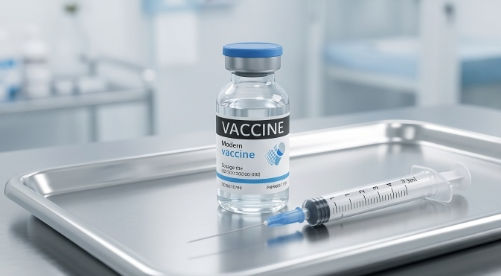
Health authorities in the Democratic Republic of Congo have launched a test vaccination programme to evaluate whether the Ervebo vaccine, originally designed for a different strain of the Ebola virus, can provide protection against the current epidemic. The initiative, supported by the World Health Organization and Doctors Without Borders (MSF), targets 20,000 frontline health personnel across the Ituri and North-Kivu provinces in a study scheduled to last up to one year.
Outbreak Dynamics and Geographic Spread
The current Ebola epidemic, the largest in the country's history, has reached a cumulative total of 7,614 confirmed cases and 3,676 deaths, according to data reported as of September 18, 2026. While transmission rates have shown signs of slowing in parts of the original epicenter, Ituri province, the virus continues to spread into new, less-prepared health zones. The Dungu health zone in Haut-Uélé province was the most recent area to report cases, raising concerns due to its proximity to the South Sudanese border.
Anthony Kergosien, MSF emergency coordinator in the DRC, warned that the outbreak is not shrinking but rather shifting into new territories. He noted that while some treatment centers are admitting fewer patients, the national number of new cases remains high. The case fatality rate currently stands at 48.3 percent, a figure that health officials attribute to both the nature of the virus and the severe structural constraints of the local health system.
Structural Constraints and Response Challenges
The response effort faces significant hurdles, including chronic funding gaps, staffing shortages, and damaged or abandoned health infrastructure in conflict-affected eastern provinces. Millions of displaced individuals living in camps with limited access to clean water and sanitation have further increased the risk of transmission. Surveillance, laboratory turnaround times, and contact tracing remain thin outside of the most well-supported sites, complicating containment efforts.
To address these gaps, response teams are scaling up rapid detection and community engagement measures, including traveler screening at 97 percent of entry points. However, MSF has emphasized that these measures are insufficient without stronger operational support from international agencies to reinforce the entire Ebola response framework. The study on the Ervebo vaccine represents a critical attempt to adapt to the evolving nature of the virus while the broader health system struggles to manage the routine disease burden alongside the current epidemic.
Sources & Citations
The Indus Pulse is committed to accuracy and transparency.