
Eating fenugreek (methi) seeds for blood sugar: What trials in people with diabetes found
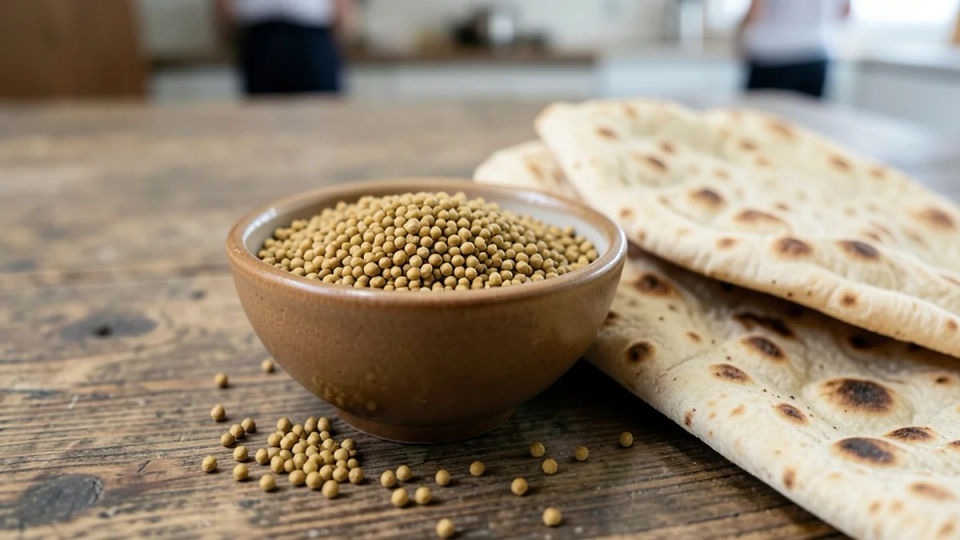
Can eating fenugreek (methi) seeds help manage blood sugar in people with type 2 diabetes? A 2023 meta-analysis of 10 randomised controlled trials covering 706 participants published in the International Journal of Molecular Sciences found that fenugreek supplementation significantly reduced fasting blood glucose, 2-hour post-meal plasma glucose, and glycosylated hemoglobin (HbA1c), though it did not significantly lower insulin resistance (HOMA-IR) or body mass index (BMI).
What meta-analyses found for blood sugar
In the 2023 International Journal of Molecular Sciences meta-analysis of trials lasting 8 to 16 weeks in adults aged 25 to 70 years, fenugreek lowered fasting blood glucose by 26.66 mg/dL, 2-hour postprandial glucose by 30.29 mg/dL, and improved total cholesterol, triglycerides, and good cholesterol (HDL-C), with no significant change in bad cholesterol (LDL-C). A larger 2025 meta-analysis of 26 randomised controlled trials involving 833 intervention and 792 control participants published in the Avicenna Journal of Phytomedicine similarly reported significant reductions of 16.75 mg/dL in fasting blood glucose, 22.28 mg/dL in 2-hour postprandial glucose, 0.63% in HbA1c, and 0.42 in insulin, while HOMA-IR remained statistically insignificant. In subgroup checks, the 2025 Avicenna Journal of Phytomedicine review found that fenugreek did not reduce fasting blood glucose in healthy participants, indicating its glucose-lowering effect was concentrated in people with disrupted glucose metabolism.
How much methi and sprouted chapattis
Dose-response modeling in the 2025 Avicenna Journal of Phytomedicine review showed that the largest drop in fasting blood glucose occurred at 15 g per day, while powder and extract forms at 10 g per day or more for at least 8 weeks significantly lowered HbA1c. However, a small 2019 randomised trial published in African Health Sciences at King Abdulaziz University Hospital in Jeddah tested 2 g per day of fenugreek capsules alongside metformin for 12 weeks in 12 adults with uncontrolled type 2 diabetes and found an insignificant drop in fasting blood glucose, though fasting insulin and the HDL-to-LDL ratio increased significantly. In healthy adults aged 18 to 25 years, a 2026 randomised crossover pilot study of 18 participants published in Nutrients found that wheat chapattis enriched with 7.5% sprouted fenugreek flour cut the post-meal glucose incremental area under the curve by 36.6% compared with white-flour control chapattis.
Side effects and who should be careful
Across the 10 trials in the 2023 International Journal of Molecular Sciences review, no liver or kidney toxicity and no severe adverse events were reported, though three studies noted mild gastrointestinal symptoms including abdominal distension, stomach discomfort, nausea, and diarrhea, and one study noted light-headedness, all resolving without special treatment. In the 2019 African Health Sciences trial, one participant taking fenugreek alongside metformin experienced hypoglycemia during the 12-week treatment period. That 2019 African Health Sciences study also excluded pregnant and lactating patients, people with type 1 diabetes, those on insulin or sulfonylurea drugs, and patients with gastrointestinal, kidney, liver, heart, or endocrine conditions.
Study limits and what comes next
The 2025 Avicenna Journal of Phytomedicine review noted substantial heterogeneity across trials, poor methodological quality in several included papers, and reliance on English-language publications, concluding that larger, higher-quality randomised trials are needed to evaluate long-term effects. Likewise, the 2026 Nutrients pilot study cautioned that its 18-person sample included only young, healthy adults and measured single-meal responses, so long-term trials in older adults and people with prediabetes or type 2 diabetes are still required.