
Congo Ebola Death Toll Exceeds 4,000 in Deadliest Outbreak
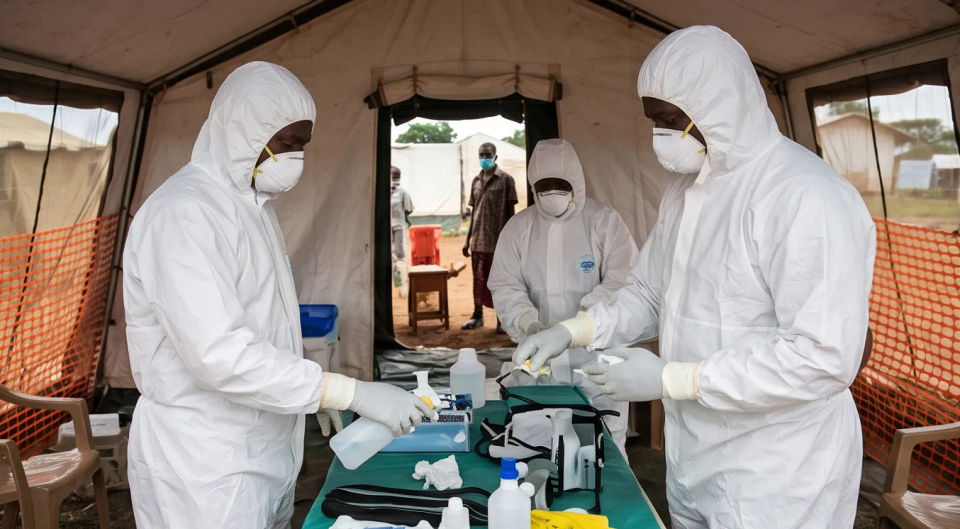
According to CBC News, congo's ongoing Ebola outbreak has surpassed 4,000 fatalities amid escalating logistical hurdles and community resistance, health authorities announced. According to CBS News, ministry figures released on Thursday established that 4,018 individuals have died from 8,300 confirmed cases, cementing the crisis as the fastest-growing viral wave in epidemic history.
According to CBC News reporting, Julien Harneis stated that establishing transit and treatment facilities has been difficult because money and staff are limited. The health ministry figures released on Thursday established that 4,018 individuals have died from 8,300 confirmed cases, as reported by CBC News and CBS News.
The outbreak, which began on May 15, is driven by the rare Bundibugyo strain, for which no licensed treatment or vaccine exists. According to CBC News, although the Africa Centers for Disease Control and Prevention reported a recent downward trend in confirmed case numbers, health officials cautioned that this decline may stem from persistent insecurity and community cooperation deficits in primary infection hotspots rather than true viral abatement.
According to CDC, for U.S. Centers for Disease Control and Prevention, The United States temporarily restricted entry for travelers who were recently in the DRC, barring anyone in the country within 21 days from boarding commercial flights to U.S. destinations.
According to CDC, for U.S. Centers for Disease Control and Prevention, Approximately 500 CDC personnel are involved in the Ebola outbreak response, including more than 120 experts deployed directly to affected countries. According to Source, case fatality rates in past BVD outbreaks reported in Uganda in 2007 and DRC in 2012 have ranged from approximately 30% to 50%.
Geographical Spread and Infrastructure Strain
The World Health Organization has raised urgent alarms regarding the rapid geographical transmission of the pathogen into new health zones, stretching exhausted medical supplies. Authorities launched a village-centered community engagement strategy last month, but these initiatives have faced intense resistance from residents who dismiss the epidemic as a hoax. This skepticism is compounded by deep-seated public distrust toward government institutions, fueled by historical mismanagement of previous outbreaks and persistent corruption allegations.
In the epicentre of Ituri province, front-line medical personnel have staged multiple strikes over months of unpaid wages. Protesters gathered in Bunia waving placards demanding immediate financial release. Compounding the operational crisis, a senior United Nations official reported that an Ebola displacement camp housing an active patient transit facility was burned by soldiers searching for weapons in Kigonze, displacing 19,000 residents and obliterating vital clinical capacity.
Aid Worker Evacuation and Security Volatility
The human toll on medical responders has escalated sharply, with more than 50 healthcare workers losing their lives after contracting the virus. In a severe escalation, an aid worker affiliated with Médecins Sans Frontières was infected in the field and subsequently evacuated on a specialized medical flight to the Netherlands, where doctors admitted the patient to a high-level isolation unit at Leiden University Medical Center.
Community tensions boiled over when a local politician in Butembo was attacked and beaten to death after publicly defending government outbreak control protocols. The violent incident underscores the volatile security landscape facing medical teams. Meanwhile, mobile diagnostic laboratories deployed to high-risk areas have successfully reduced diagnostic turnaround times from 72 hours down to six hours, offering a vital operational tool as authorities attempt to stabilize containment operations.
Sources & Citations
- The Hindu Report
- AP Report via ClickOnDetroit
- CBS News Report
- CBC News
- CDCPrimary / official
- CDCPrimary / official