
Blood Pressure Drug Losartan Boosts Metabolism by Activating Brown Fat
Preclinical Study Identifies Losartan Metabolic Stimulation
Commonly prescribed blood pressure medication losartan stimulates brown adipose tissue activity and accelerates cellular metabolic rate according to preclinical research. Unlike white adipose tissue that primarily stores excess lipids, metabolically active brown fat combusts caloric energy to generate internal thermal warmth. The collaborative medical study was executed jointly by research scientists from Weill Cornell Medicine, Rockefeller University, and Memorial Sloan Kettering Cancer Center. The published investigation reported for the first time that brown fat presence correlates with reduced psychiatric disorder incidence in adult populations. The peer-reviewed paper was officially published on October 14 in the scientific journal Nature.
A Rockefeller University research team led by Dr. Paul Cohen evaluated scans from over 50,000 patients to link brown fat presence to reduced cardiovascular disease.
Large Scale Imaging Cohort and Anatomical Tissue Mapping
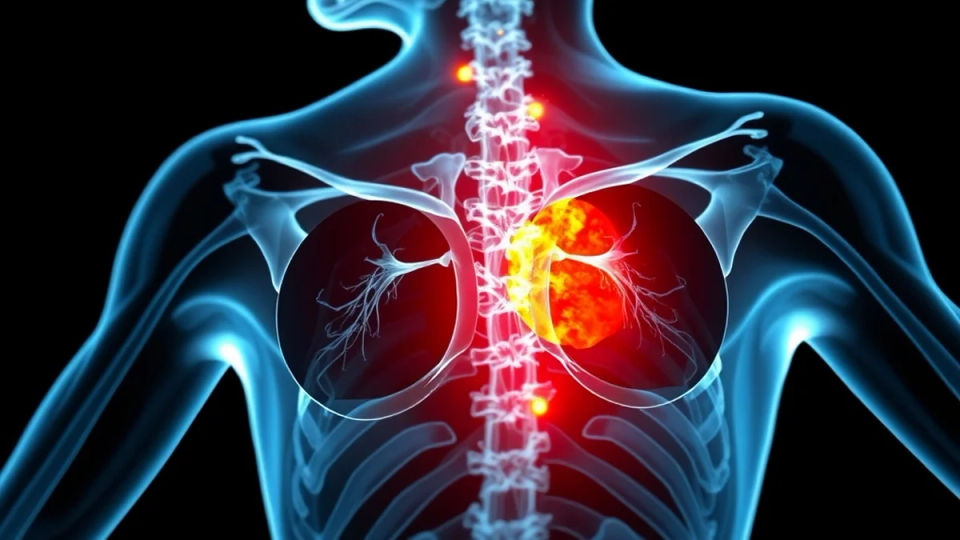
The research team examined whole-body PET and computed tomography imaging scans collected across an observational cohort exceeding one hundred thousand patients. Medical evaluators isolated clinical scans that identified functional brown adipose tissue deposits across six distinct bodily regions. Identified tissue locations span the cervical neck, axillary armpit regions, and peri-organ areas surrounding the human heart and kidneys. First author Dr. Gómez-Banoy confirmed that axillary fat deposits showed significant associations with lowered high blood pressure risk compared to alternate sites. Patients exhibiting detectable brown adipose depots presented superior systemic glycemic indicators, improved lipid parameters, and reduced systemic inflammatory biomarkers.
Molecular Pathways and Animal Model Metabolic Enhancements
Epidemiological imaging reviews demonstrated that clinical patients prescribed angiotensin receptor blockers possessed significantly greater volumes of active brown fat. Laboratory mice administered losartan demonstrated marked metabolic upregulation, including elevated whole-body energy expenditure and oxygen consumption. Treated animal models maintained stable overall body weight alongside measurable enhancements in systemic glucose clearance and metabolic performance. Dr. Gómez-Banoy explained that distinct molecular signaling pathways govern vascular blood pressure reduction and adipose tissue activation. This biological pathway divergence raises the prospect of designing specialized molecular compounds that trigger fat combustion without inducing clinical hypotension.
Cardiometabolic and Psychiatric Health Correlations
Earlier clinical investigations led by senior author Dr. Paul Cohen established that brown adipose presence reduces overall cardiometabolic disease risk. Adults with detectable brown fat deposits demonstrated substantially lowered incidence rates for coronary artery occlusions and type 2 diabetes mellitus. The analytical dataset further revealed significant protective associations against clinical mood disorders, including reduced diagnoses of depression and anxiety. Senior author Dr. Cohen noted that broad observational analyses identified numerous additional pharmaceutical agents correlated with brown fat presence. These discoveries create promising therapeutic directions for evaluating alternative pharmaceutical agents and exploring the genetics of high brown fat levels.
Sources & Citations
- The Medical News
- WCM Newsroom
- National Institutes of HealthPrimary / official