
Edited by Editor-in-Chief, The Indus Pulse 22 Sept 2026, 05:05 AM 3 min readhealth
Alzheimer’s Prevalence in India Likely Five Times Higher Than Official Estimates
Sources & Citations
Medical experts have warned that the actual number of Alzheimer's and dementia cases in India may be up to five times higher than current official projections. While a 2023 national study estimated that 8.8 million Indians over the age of 60 suffer from dementia, neurologists suggest the true figure could reach 40 to 50 million due to significant underreporting, particularly in rural areas and small towns where formal health registries remain limited.
The Challenge of Underdiagnosis
Speaking during a webinar held on World Alzheimer's Day, Dr. Vinit Suri, a senior consultant neurologist at Apollo Hospital, noted that approximately 70 percent of the 8.8 to 10 million dementia patients currently registered in Indian hospitals are Alzheimer's cases. However, he emphasized that these figures represent only a fraction of the population, as many individuals in smaller communities never receive a formal diagnosis. This diagnostic gap is exacerbated by a widespread cultural tendency to dismiss memory loss, confusion, and behavioral changes as normal, inevitable consequences of aging rather than symptoms of a progressive neurological disorder.
A landmark global systematic review establishes an age-standardized young-onset dementia prevalence of 119.0 per 100,000 population aged 30 to 64 years, comprising roughly 5% to 10% of total global dementia cases. In Indian specialty memory clinics, early-onset dementia accounts for an exceptionally high proportion of evaluated caseloads, with tertiary center studies reporting proportions reaching up to 49.9% of total dementia presentations.
Nationwide population studies establish that 8.8 million Indians aged 60 and older have dementia (7.4% prevalence), but cultural normalization and cross-state healthcare disparities prevent formal diagnosis. Younger Indian patients exhibit earlier onset of dementia due to high rates of premature vascular disorders, strokes, and cardiovascular dysfunction, compounding Alzheimer's pathology.
Advancements in Early Detection
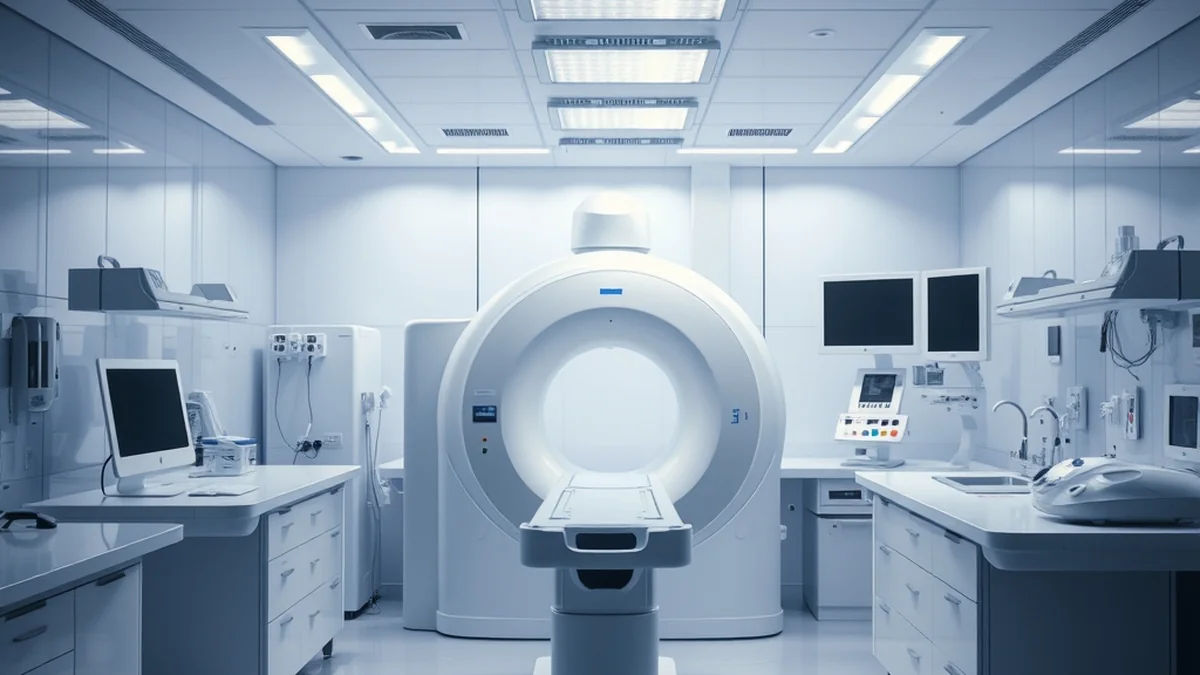
As the Indian population ages, the incidence of neurodegenerative conditions is expected to rise, driven by increased life expectancy and better management of cardiovascular diseases. To combat this, medical professionals are advocating for the integration of advanced diagnostic tools. Dr. Harsh Mahajan, founder of Mahajan Imaging and Labs, highlighted that blood-based biomarkers can now identify Alzheimer's pathology up to 20 years before clinical symptoms manifest. Furthermore, FDG PET scans allow clinicians to observe reduced brain metabolism in pre-symptomatic stages, providing a functional perspective that structural imaging like MRIs cannot offer.
Lifestyle and Preventive Measures
While diagnostic technology evolves, experts continue to stress that lifestyle modifications remain the primary defense against cognitive decline. Doctors recommend 30 to 45 minutes of daily physical exercise, consistent sleep patterns of six to eight hours to facilitate the brain's clearance of tau and amyloid proteins, and active social engagement. These measures are considered essential for maintaining cognitive health, particularly for individuals with family histories of the disease. Neurologists are now calling for a multidisciplinary approach to care, emphasizing that dementia management must extend beyond medical treatment to include cognitive stimulation, rehabilitation, and holistic support for caregivers.
Sources & Citations
The Indus Pulse is committed to accuracy and transparency.