
PlayStation 6 Memory Cost Rumour Raises Questions Over Future Pricing
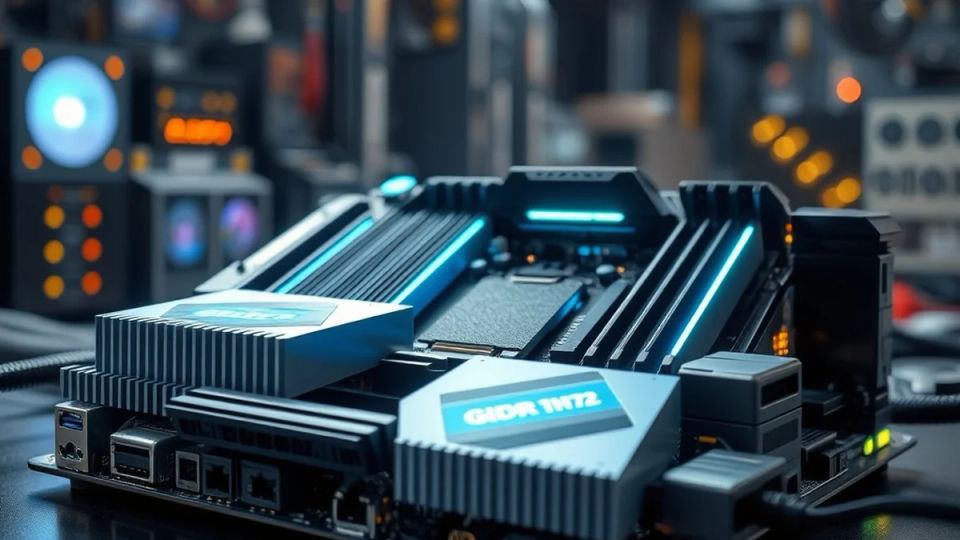
An unverified industry estimate alleges that RAM and storage for a possible PlayStation 6 configuration could cost more than $680; Sony has not confirmed this figure. The dramatic rise in global memory pricing threatens to push the overall manufacturing bill of materials past the critical one-thousand-dollar threshold. Industry speculation about the console timeline suggests a possible commercial release window in late 2027. Hardware analysts warn that retail consumer pricing may significantly exceed current premium consoles unless global memory procurement contracts stabilize.
Escalating Bill of Materials and Memory Cost Surge
Industry disclosures surfaced by prominent hardware leaker KeplerL2 indicate that system memory and solid-state storage alone will absorb 680 dollars per unit. Historical cost trajectory modeling demonstrates how rapid memory inflation has driven total manufacturing estimates from 760 dollars in March to 960 dollars by July. Crucially, current memory figures exclude key core silicon modules including the primary accelerated processing unit, specialized heat pipe cooling assemblies, and chassis enclosures. With non-memory subsystem components factored into production calculations, hardware analysts project total retail pricing could inevitably cross four figures.
Architecture Specifications and GDDR7 Memory Configurations
Engineering leaks suggest Sony is designing the PlayStation 6 motherboard around high-speed GDDR7 memory modules operating across a 160-bit bus architecture. While the baseline architectural memory interface can theoretically support up to 40 gigabytes, engineering teams consider a 30-gigabyte configuration more economically viable. Hardware reports indicate Sony investigated reducing total memory density allocations to contain spiraling manufacturing overheads ahead of volume production. Technical reporting confirmed that corporate planners actively evaluated trimming overall solid-state storage capacity tiers to prevent retail prices from alienating mainstream console gamers.
AI Data Center Demand and Global Silicon Shortages
The persistent spike in memory unit costs stems directly from massive hyperscale artificial intelligence data center construction soaking up global DRAM and NAND fabrication output. Enterprise server manufacturers are securing multi-year allocation agreements, constraining semiconductor capacity available for consumer gaming hardware lines. While corporate leadership has released no official public pricing determinations, market analysts caution that console hardware margins face unprecedented pressure.
Proprietary Frame Generation and Patent Disclosures
To maximize graphical output without multiplying silicon footprints, Sony filed a comprehensive technology patent titled Generation Super Sampling under reference US-20260320740-A1. The proprietary neural architecture utilizes deep learning algorithms to generate interpolated display frames between natively rendered graphics passes. Distinct from conventional PC algorithms, Sony's framework incorporates realtime analog controller input telemetry to predict upcoming camera and character translations. Technical patent documentation specifies that integrating controller signals directly into neural interpolation reduces temporal latency and eliminates visual hitching.
Why the $680 figure is not a PS6 price
The claim comes from industry speculation about the combined cost of RAM and storage for an unreleased console. Sony has not published a verified PlayStation 6 bill of materials, launch date or recommended retail price. Memory and NAND costs can vary drastically with contracts, capacity, sourcing and the future stage of production. The reported figure is neither a price consumers will pay nor proof that Sony's final manufacturing costs have crossed a fixed threshold.
Console makers may use component subsidies, subscription income and game sales when setting retail strategy. A change in memory cost can affect design trade-offs, but price and release timing also depend on silicon yields, cooling, logistics and competitors. Patent filings about graphics methods are not product specifications: companies patent ideas that may never appear in released hardware. Readers should treat individual analyst estimates as conditional scenarios until Sony announces its plans.