
Edited by Editor-in-Chief, The Indus Pulse 16 Sept 2026, 02:17 PM 3 min readgaming
EU Unveils Strict Gaming and Social Media Curbs for Under-15s
Sources & Citations
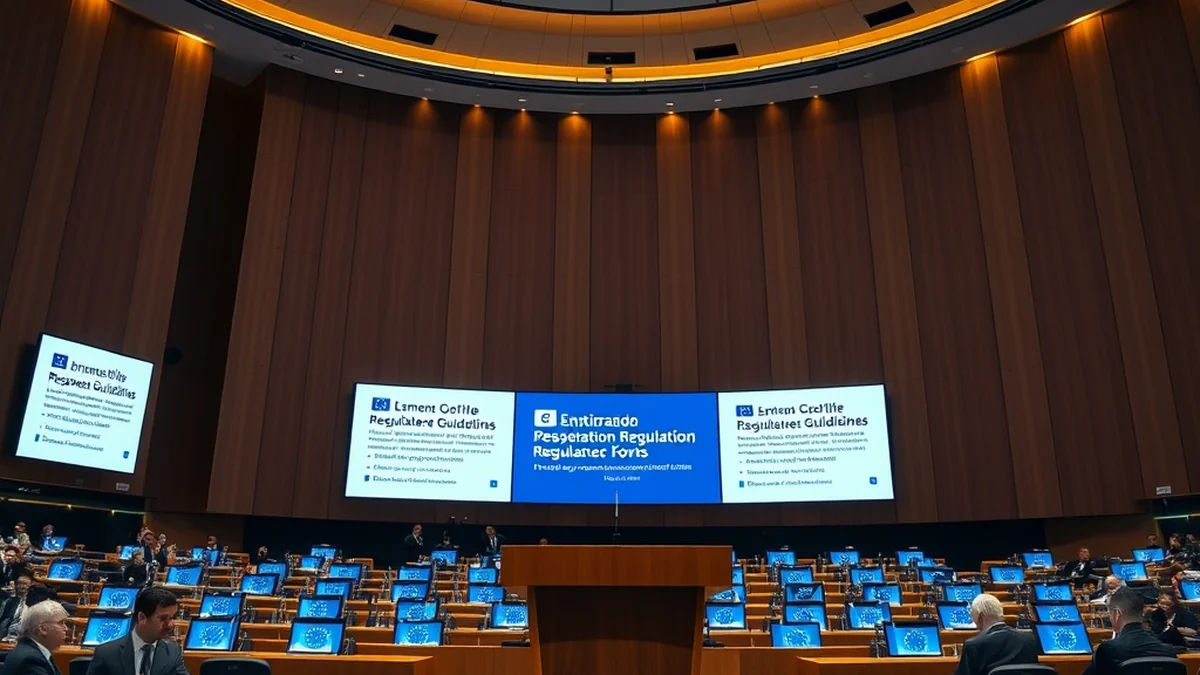
European Commission President Ursula von der Leyen will outline proposed legislation on Wednesday to restrict access to social media, video-sharing platforms, AI chatbots, and online gaming for children under 15 across the 27-nation bloc. The planned 'EU KIDS Act', to be formally presented in Strasbourg on Thursday alongside tech chief Henna Virkkunen, follows mounting international pressure and a growing body of evidence regarding the physical and mental health impacts of digital platforms on minors.
The legislative proposal introduces a tiered access framework that categorizes users by age groups. Under the draft documents reviewed by media outlets, teenagers aged 15 and older would be permitted to open standard independent accounts. Individuals aged 13 and 14 would be restricted to introductory accounts configured under parental supervision, featuring limited functionality and strict screen-time caps. Children between three and 13 would only gain access to fully parent-controlled profiles on child-friendly services meeting stringent safety standards, while infants under three would face a complete ban.
Tiered Access and Parental Oversight Framework
The framework establishes explicit regulatory boundaries across developmental stages while imposing prohibitions on features deemed addictive. The draft mandates a strict ban on design mechanisms such as infinite scrolling for minor users. Furthermore, platforms found in violation of the proposed rules would face financial penalties reaching up to six percent of their annual global turnover.
The initiative arrives amid a broader international legislative push. Australia enacted the world's first social media ban for under-16s last year, prompting similar measures globally. Canadian Prime Minister Mark Carney, whose nation has pursued comparable restrictions, is scheduled to attend the European Parliament session in Strasbourg as the measures are unveiled.
Digital Rights Concerns and Age Verification Debate
While member states including France, Denmark, and Greece have lobbied Brussels for bloc-wide intervention, the proposal has encountered resistance from digital rights organizations and consumer advocates. Critics argue that age verification requirements pose significant data protection risks and fail to resolve underlying design flaws in modern digital ecosystems.
European consumer organization BEUC representative Agustin Reyna stated, "Age verification is not a silver bullet and would raise serious privacy and data protection concerns." Similarly, Simeon de Brouwer of digital rights group EDRi contended that restricting access for users under 15 fails to address the root causes of platform harm, leaving teenagers vulnerable once the age threshold is crossed.
Industry Tactics and Legislative Hurdles
Advocacy groups have highlighted aggressive engagement techniques deployed across digital services. Research shared by the 5Rights Foundation examined nine popular video-sharing apps, AI chatbots, and games, revealing that many services utilize emotional manipulation tactics in notifications, such as mimicking the conversational tone of a friend who misses the user to compel re-engagement.
The European Union previously directed platforms such as Meta services Facebook and Instagram, alongside TikTok, to alter addictive interfaces under the existing Digital Services Act. However, Brussels officials concluded that current regulations remain insufficient to achieve desired structural reforms. The newly proposed EU KIDS Act requires extensive legislative negotiations between European Union capitals and the European Parliament, a process expected to take several months before final enactment.
Sources & Citations
The Indus Pulse is committed to accuracy and transparency.