
Volkswagen Virtus Facelift Scheduled for Indian Market Launch on December 11
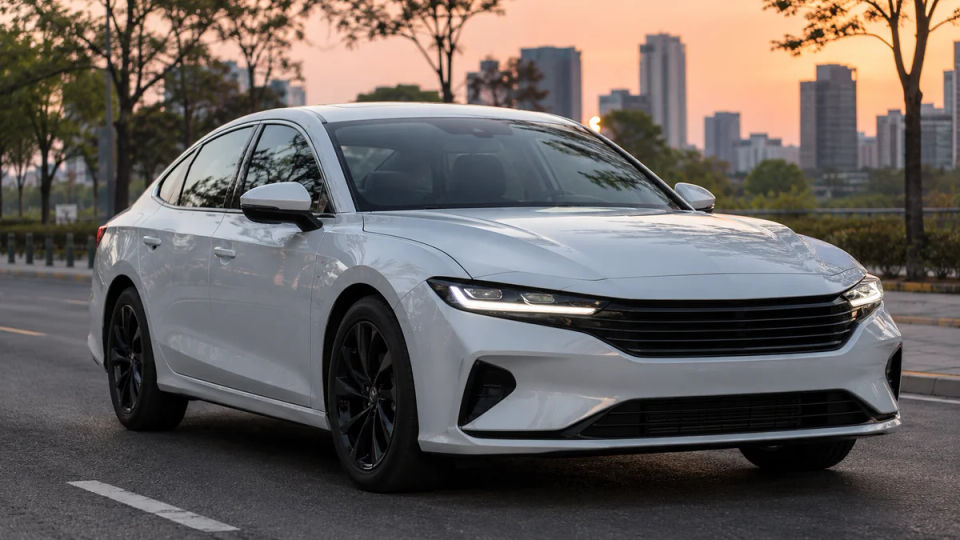
German automaker Volkswagen has scheduled the official commercial launch of the refreshed Virtus midsize sedan in India for December 11, 2026. Originally launched in June 2022, the sedan is receiving its first major mid-cycle update four and a half years after initial market introduction. The update introduces revised exterior styling, cabin equipment upgrades, and an 8-speed automatic transmission option replacing the previous 6-speed torque converter. Engine options remain consistent with the outgoing model, retaining the 1.0-litre TSI and 1.5-litre TSI Evo turbocharged petrol units. The 1.0-litre TSI engine generates approximately 115 PS of power alongside 178 Nm of peak torque.
Powertrain Lineup and Eight-Speed Transmission Upgrade
While the 1.0-litre unit continues offering a 6-speed manual transmission, the new 8-speed automatic replaces the older 6-speed automatic gearbox. Engineering estimates indicate that the 8-speed torque converter will improve fuel economy from 18.70 km/l to around 19.50 km/l. The enthusiast-focused 1.5-litre TSI engine produces 150 PS and 250 Nm of torque, paired exclusively with a 7-speed DSG dual-clutch transmission. Exterior styling modifications feature a reworked front bumper with a wider lower intake, revised grille detailing, and an illuminated brand emblem. The headlamp clusters retain their primary profile while incorporating revised daytime running light signatures, accompanied by LED front fog lamps. The current Volkswagen Virtus petrol lineup achieves an ARAI-certified fuel efficiency rating spanning 18.45 to 20.8 kmpl across manual and torque converter automatic variants, according to CarWale. Volkswagen and Skoda's updated India 2.0 models are replacing the current AQ250 6-speed automatic gearbox with a new Aisin-sourced AQ300 8-speed torque converter unit on the 1.0-litre TSI engine, according to Autocar India.
Exterior Facelift and GT Styling Enhancements
At the rear, the updated sedan showcases smoked taillight lenses featuring sequential turn indicators that sweep outwards to enhance visual presence. The sport-oriented GT trim showcased in promotional materials exhibits black alloy wheels, red brake calipers, a rear boot lip spoiler, and contrasting dual-tone roof paint. Inside the cabin, the updated Virtus introduces a 10.1-inch touchscreen infotainment system alongside a digital cluster measuring 10.25 inches with navigation. Safety enhancements introduce a 360-degree camera system delivering a bird's-eye view of vehicle surroundings alongside front parking sensors. Air conditioning hardware receives a technical revision via a variable-geometry compressor designed to improve cabin cooling efficiency under extreme ambient heat.
Cabin Technologies and Market Positioning
The predecessor model carried showroom stickers spanning Rs 10.71 lakh up to Rs 19.20 lakh, with the facelifted version projected to demand a minor financial premium. The vehicle competes directly in the domestic sedan segment against the recently updated Skoda Slavia, Hyundai Verna, and Honda City. Industry delivery records showed the Virtus logging 1,172 units in September 2026, maintaining leadership as India's highest-selling midsize sedan. The retention of competitive driving dynamics alongside upgraded transmission hardware aims to broaden appeal among both driving enthusiasts and family buyers. Volkswagen India plans to reveal final variant-wise pricing structures and customer delivery timelines at the December 11 launch event. In November 2024, Skoda Auto Volkswagen India announced plans to introduce an 8-speed torque converter automatic transmission in India by 2026 across its Kushaq, Slavia, Taigun, and Virtus lineup, according to Autocar India.