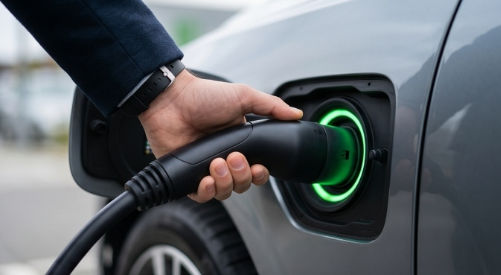
The Telangana Renewable Energy Development Corporation (TG REDCO) has officially launched a tender process to establish 369 public electric vehicle (EV) charging stations across the state. This initiative aims to bolster the region's charging infrastructure, addressing the rising demand for electric mobility driven by rapid urbanization and increased personal vehicle usage. The project is divided into two distinct geographical segments, with 200 stations planned for the Hyderabad metropolitan region and 169 stations designated for districts under the Telangana Northern Power Distribution Company Limited (TGNPDCL) jurisdiction.
This expansion comes as Telangana solidifies its position as a major consumer of electricity for EV charging, currently ranking fourth in India. State officials emphasize that the strategic placement of these chargers is intended to support not only local urban commuters but also the significant volume of inter-state travel and freight movement occurring along the state's major national highways and transportation corridors. By inviting private Charge Point Operators (CPOs) to manage these assets, the government seeks to ensure long-term operational efficiency and service reliability for the growing number of EV owners.
Strategic Infrastructure Expansion and Scope
The 200 charging stations slated for the Hyderabad region will be distributed across six clusters, encompassing the Greater Hyderabad, Cyberabad, and Malkajgiri municipal areas. This urban-centric deployment is designed to provide dense coverage in high-traffic zones where the concentration of electric vehicles is highest. By focusing on these key municipal hubs, TG REDCO aims to alleviate range anxiety for city dwellers and commercial fleet operators who rely on consistent access to power.
In contrast, the 169 stations under the TGNPDCL jurisdiction will be spread across 16 locations, targeting the erstwhile districts of Warangal, Khammam, Karimnagar, Nizamabad, and Adilabad. This regional distribution strategy is critical for connecting smaller urban centers and ensuring that the state's EV infrastructure is not limited to the capital. By bridging the gap between major cities and regional districts, the state government is attempting to create a cohesive network that supports long-distance travel across the state's diverse geography.
Operational Requirements and Contractual Terms
Selected Charge Point Operators will be tasked with a comprehensive suite of responsibilities, including the survey, design, supply, civil works, installation, testing, and commissioning of the charging infrastructure. Beyond the initial setup, the contracts mandate that these operators handle the ongoing operation, maintenance, and commercial management of the stations for a period of 10 years. This long-term commitment is intended to ensure that the infrastructure remains functional and up-to-date throughout its operational lifecycle.
To maintain high service standards, the Hyderabad project includes a specific provision requiring a minimum of 95 per cent uptime for all chargers. This performance benchmark is a key component of the state's strategy to build consumer trust in public charging networks. Furthermore, the government has standardized the charging tariff at Rs 13 per unit, plus GST, for both projects. This fixed pricing model will remain in effect for the duration of the 10-year contract, providing predictability for both operators and consumers.
Financial Support and Bidding Process
Eligible bidders participating in these projects will be eligible for subsidy support under the central government's PM E-DRIVE scheme, subject to the specific terms and conditions of the program. This financial incentive is designed to lower the barrier to entry for private operators and accelerate the deployment of the charging network. By leveraging federal subsidies, TG REDCO aims to make the project more attractive to private investment while keeping the final cost of charging accessible to the public.
TG REDCO Vice Chairman and Managing Director Musharraf Faruqui highlighted the necessity of this expansion, noting that the state's geography makes it a vital transit point for regional logistics. "Several national highways and major transportation corridors pass through the State, resulting in significant inter-State travel and freight movement," Faruqui stated. He added that the shift in consumer behavior, characterized by rapid urbanization and a growing reliance on personal vehicles, has made the expansion of charging infrastructure an urgent priority for the state government.
Timeline and Implementation Milestones
The tender process is moving forward on an accelerated schedule. Pre-bid meetings for both the 169-station project and the 200-station project are scheduled for September 7, with the former occurring at 11:30 am and the latter at 11:00 am. These meetings serve as a critical forum for potential bidders to clarify technical requirements and understand the scope of work before submitting their formal proposals.
Following the pre-bid consultations, the official bid submission window will open on September 8 and remain active until September 22. All submissions must be processed through the Telangana e-Procurement Portal to ensure transparency and compliance with state procurement regulations. Once the bidding phase concludes, the selection of operators will mark the beginning of a significant phase in Telangana's transition toward a more robust and accessible electric vehicle ecosystem.