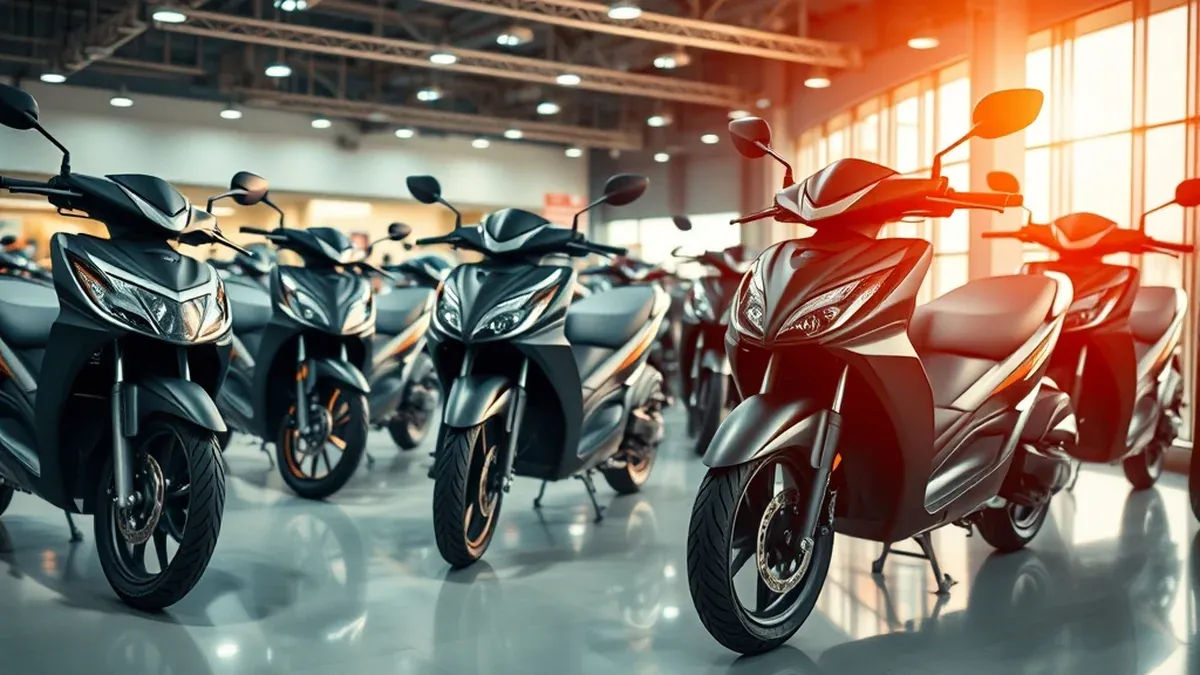
Ola Electric has officially inaugurated its first batch of dealer-operated retail outlets across seven Indian states, marking a pivotal pivot from its traditional direct-to-consumer model. The newly operational storefronts are now serving customers in Rajasthan, Tamil Nadu, Maharashtra, Bihar, Telangana, Uttar Pradesh, and Madhya Pradesh. This structural shift comes less than a month after the Bengaluru-based electric vehicle maker first opened its sales and service network to independent dealer partners on August 6.
For the past five years since launching its maiden electric scooter, the company maintained a strictly company-owned retail and service framework. Under the newly implemented distribution strategy, partner-led outlets will take over day-to-day sales and local customer servicing, while existing company-owned retail locations are undergoing a transition into brand product experience centres. Executive leadership notes that this hybrid realignment is engineered to scale market penetration rapidly without carrying the heavy capital expenditure associated with building exclusive corporate storefronts.
Shifting Retail Strategy and Regional Expansion
The strategic overhaul aims to push the company's electric vehicle ecosystem deeper into Tier-2 and Tier-3 regional markets where localized sales presence is vital. According to company disclosures, the overarching objective is to establish an extensive network of over 500 dealer-led outlets spanning the country over the next couple of quarters. This physical expansion is expected to bridge accessibility gaps and allow faster turnaround on customer deliveries across disparate geographical pockets.
"That foundation is now set. The establishment of a dealer-led network is a strategic move that takes our product ecosystem deeper across every corner of India," said Manoj Murali, chief business officer, Ola Electric, emphasizing the long-term intent of the structural transition. The company has reportedly received expressions of interest from more than 1,200 prospective partners applying through its dedicated network portal since opening applications.
Resolving Service Backlogs and Operational Bottlenecks
A critical driver behind the retail pivot is the urgent need to address historical customer complaints concerning after-sales service, spare parts availability, and delayed maintenance turnarounds. Throughout previous financial reporting periods, management acknowledged that service constraints represented the single largest bottleneck holding back consumer trust and wider electric vehicle adoption. By enlisting local dealer partners who maintain local spare-parts inventory, the company aims to decentralize maintenance operations.
Recent financial disclosures indicate that average service turnaround times had already dropped significantly from roughly nine days in October 2025 down to nearly one day by March 2026, while same-day repair closures climbed to about 87%. The integration of independent dealers is designed to lock in these operational gains by ensuring that local service touchpoints remain accountable to regional buyers rather than relying on centralized corporate hubs.
Portfolio Pricing and Mass Market Integration
To complement the expanded retail footprint, Ola Electric continues to market its accessible mass-market offerings, anchored by the S1Z scooter range starting at ₹79,999. The S1Z lineup features battery configurations ranging from 3.1 kWh to 5.1 kWh, offering certified driving ranges extending from 179 kilometers up to 301 kilometers on a single charge. Furthermore, the model serves as the commercial launchpad for the firm's indigenously developed Bharat Cell LFP battery technology.
Chairman and Managing Director Bhavish Aggarwal noted that while company-owned stores were initially necessary to cultivate consumer confidence during the nascent stages of the electric vehicle market, independent dealers are now better positioned to scale regional distribution efficiently. The company recently secured a 7.6% market share in total electric two-wheeler registrations, indicating a gradual recovery in competitive standing as the new retail architecture takes root.
Future Implementation and Network Milestones
The immediate operational focus centres on converting corporate storefronts into experiential showcases while vetting and onboarding the remainder of the targeted 500-plus dealer network. While the initial seven-state rollout establishes a multi-region footprint, sustained success will depend heavily on dealer profitability, spare parts supply chain consistency, and adherence to service quality benchmarks. As the company navigates this transition, industry watchers will closely monitor whether decentralized dealer operations can permanently resolve historical customer grievances while accelerating electric mobility adoption across smaller Indian towns.