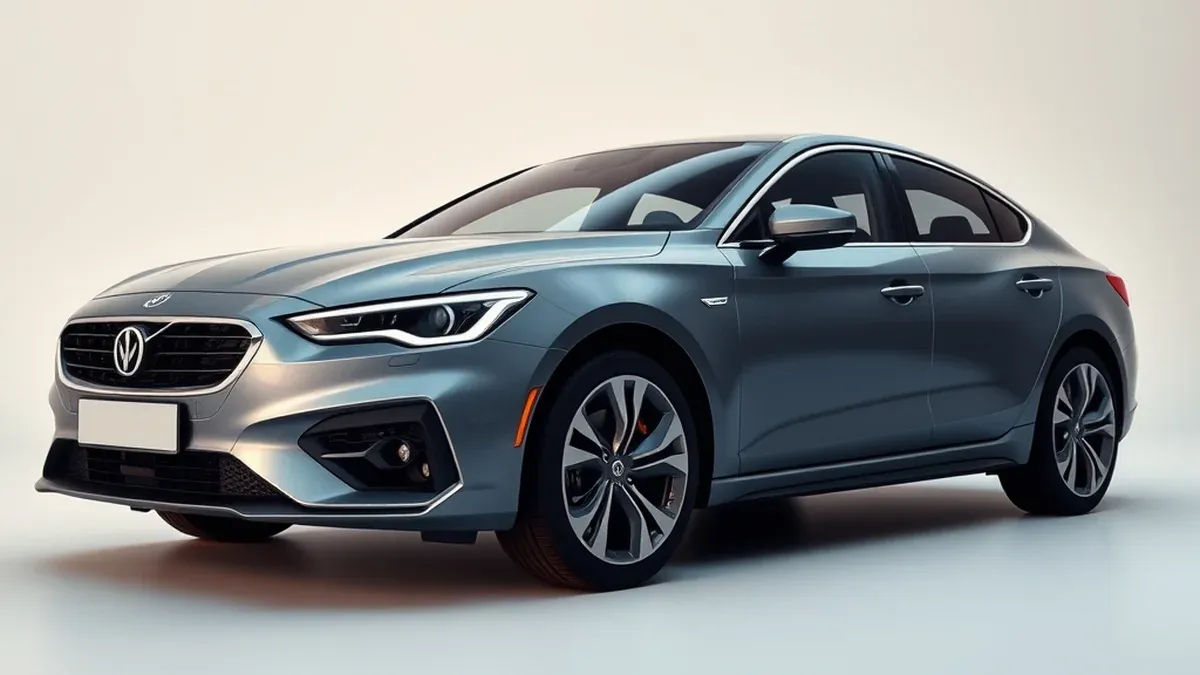
Mercedes-Benz has confirmed that it will commence bookings for the all-new GLC Electric in India during the first week of October 2026, with a full market launch scheduled for the end of the year. The German luxury automaker will locally assemble the SUV in India, a move that marks the fastest transition of a global Mercedes-Benz model to the Indian market, occurring just six months after its European sales debut. By opting for local assembly, the company aims to position the vehicle competitively within the premium electric SUV segment, with market estimates suggesting an ex-showroom price range between Rs 80 lakh and Rs 90 lakh.
The GLC Electric arrives as a significant addition to the brand's portfolio, utilizing a 94kWh NMC battery pack that supports an 800-volt electrical architecture. The vehicle will be offered in the 400 4Matic trim, which features a dual-motor, all-wheel-drive configuration capable of producing 489bhp and 800Nm of torque. Despite a kerb weight exceeding 2,500kg, the SUV is engineered for performance, delivering a 0-100kph acceleration time of 4.3 seconds and a top speed of 210kph. Mercedes-Benz claims a WLTP-rated range of up to 715km, supported by DC fast-charging capabilities of up to 330kW, which can replenish 305km of range in approximately 10 minutes under optimal conditions.
Technical Specifications and Performance
The GLC Electric is built on a modular battery architecture designed to simplify servicing and component replacement. The 94kWh battery utilizes cells with silicon-oxide anodes and graphite, with Mercedes-Benz noting a reduction in cobalt content compared to previous generations. The vehicle's charging system is equally advanced, supporting 11kW AC charging as standard, with an optional 22kW upgrade. Furthermore, the model is prepared for bidirectional charging, allowing it to feed energy back into a home or grid, provided the necessary infrastructure and market-specific requirements are met.
Handling and ride quality are managed by an AIRMATIC air suspension system, complemented by an optional rear-wheel-steering feature. This system can turn the rear wheels by up to 4.5 degrees, effectively reducing the turning circle from 12.1 meters to 11.2 meters. Braking is handled by a new One-Box system that integrates regenerative and friction braking, offering four distinct recuperation levels to optimize energy efficiency during daily driving.
Interior Design and Digital Integration
Inside the cabin, the most prominent feature is the 39.1-inch MBUX Hyperscreen, which Mercedes-Benz identifies as the largest display it has ever integrated into a production vehicle. This seamless unit combines the instrument cluster, central infotainment touchscreen, and a dedicated passenger display into a single visual interface. The system runs on the fourth-generation MBUX software, which incorporates artificial intelligence from Microsoft and Google to facilitate complex, multi-turn conversations and provide navigation-related insights through Google Cloud's Automotive AI Agent.
While the interface is heavily digitized, Mercedes-Benz has reintroduced physical buttons and knobs for steering wheel and centre console functions, a departure from the touch-sensitive controls found in many contemporary electric vehicles. The cabin also features wood trim on the centre console and lower dashboard to provide a more traditional aesthetic. Additionally, the vehicle offers an optional Vegan Package, which the company claims is the world's first independently certified vegan vehicle interior offered by an automotive manufacturer.
Dimensions and Practicality
Unlike the long-wheelbase version offered in the Chinese market, the Indian-spec GLC Electric will be sold in its standard wheelbase configuration, measuring 2,972mm between the axles. The vehicle measures 4,845mm in length, 1,913mm in width, and 1,644mm in height. This design provides 570 litres of boot space, which can be expanded to 1,740 litres by folding the rear seats. An additional 128-litre front luggage compartment, or frunk, further enhances utility.
The increased wheelbase compared to the combustion-engined GLC provides tangible benefits for passenger comfort, including 47mm of additional rear legroom. The cabin also sees improvements in headroom, with 46mm more space in the front and 17mm in the rear. For versatility, the SUV is rated to tow up to 2.4 tonnes and permits a 100kg drawbar load, making it a functional choice for diverse driving requirements.
Advanced Driver Assistance and Exterior Features
Safety and driver assistance are managed by the MB.DRIVE system, which processes data from 10 external cameras, five radar sensors, and 12 ultrasonic sensors. Depending on the specific market configuration, this suite enables adaptive cruise control, steering assistance, lane-change assistance, and automated parking. The exterior is equipped with DIGITAL LIGHT micro-LED technology and a transparent-bonnet function designed to assist with off-road navigation.
A notable exterior highlight is the SKY CONTROL panoramic roof, which utilizes switchable glass to transition between transparent and opaque states. The roof can also display 162 illuminated stars through an integrated ambient lighting system. These features, combined with the signature star-themed LED lighting elements and an illuminated grille, align the GLC Electric with the brand's current design language while maintaining a distinct identity within the luxury SUV segment.
Market Positioning and Competition
As the company prepares for the year-end launch, the GLC Electric is expected to compete directly with the BMW iX3, which is slated for an Indian market entry in early 2027. The BMW model is anticipated to arrive in a long-wheelbase format, setting up a distinct comparison between the two German luxury offerings. By localizing assembly, Mercedes-Benz is positioning the GLC Electric as a core pillar of its Indian electric vehicle strategy, aiming to leverage the growing demand for premium, long-range electric SUVs.
Next steps for the company involve the opening of official bookings in the first week of October 2026. Prospective buyers can expect further details regarding specific trim levels and final pricing to be disclosed closer to the official launch date. The company has not yet announced specific delivery timelines, which will likely be confirmed following the formal market introduction at the end of the year.