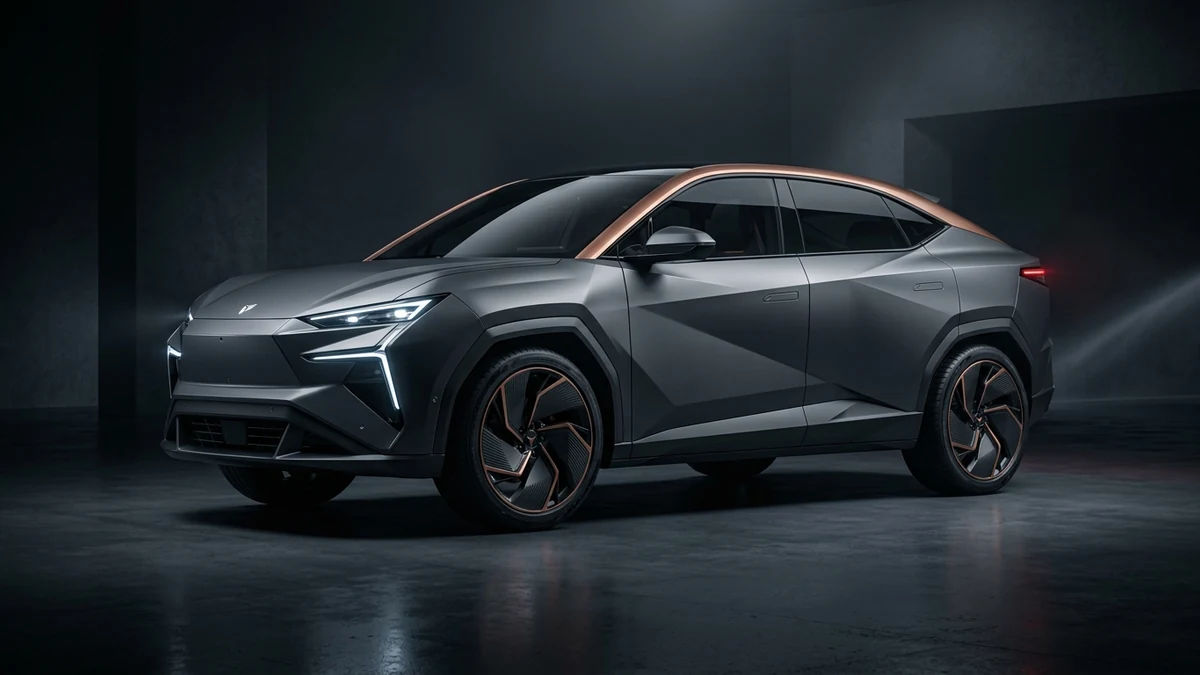
Mahindra & Mahindra has unveiled comprehensive engineering specifications and commercial tiering for its Born Electric BE.6 SportEQ lineup, representing a transformative leap in domestic electric SUV architecture. Developed from the ground up at the Mahindra India Technical Centre (MRV) in Chennai and designed at the Mahindra Design Europe (MDE) studio in Oxfordshire, the BE.6 SportEQ embodies the company’s dedicated multi-energy modular electric platform known as INGLO.
The announcement signifies Mahindra's strategic shift from modified internal combustion engine conversions toward purpose-built electric vehicles. Featuring aggressive coupe-SUV styling, aerodynamic drag reduction ducts, and ultra-high-strength steel passenger cell construction, the BE.6 SportEQ aims to establish a new benchmark for performance, real-world highway range, and active safety technologies in India's competitive mid-size electric vehicle marketplace.
INGLO Architecture and Structural Innovations
At the foundation of the BE.6 SportEQ lies Mahindra’s proprietary INGLO skateboard architecture, engineered to accommodate rear-wheel-drive and all-wheel-drive electric motor configurations. By eliminating traditional transmission tunnels and exhaust packaging constraints, engineers have achieved a structural stiffness rating that comfortably exceeds global five-star crash test protocols, including Bharat NCAP and Euro NCAP criteria.
The skateboard platform incorporates boron steel reinforcements along the perimeter side sills, creating a fortified structural cage that surrounds the floor-mounted battery pack. This integration provides structural load-bearing capacity during frontal, side-impact, and rollover collision scenarios, while lowering the vehicle's center of gravity to optimize high-speed cornering stability and passenger ride comfort.
Battery Cell Chemistry, Thermal Safety, and Range Metrics
The BE.6 SportEQ incorporates next-generation Lithium Iron Phosphate (LFP) prismatic cell architecture, developed in collaboration with leading global battery innovators. Employing blade-cell structural packaging directly into the platform frame, bypassing separate module housings, the vehicle achieves an elevated volumetric packaging efficiency of over 75 percent. This packaging supports two available battery capacities: a 59 kWh standard endurance pack and a 79 kWh long-range flagship unit.
Real-world test cycles indicate the 79 kWh battery pack yields an ARAI-certified driving range of up to 682 kilometres on a single charge, translating to an estimated 450 to 500 kilometres of realistic expressway driving with active dual-zone climate control. Advanced liquid thermal conditioning systems maintain uniform cell temperatures during rapid DC charging, preventing thermal runaway even under prolonged operational stress in sub-tropical climates.
Electric Powertrain Performance and Charging Dynamics
Propulsion configurations for the BE.6 SportEQ leverage compact three-in-one electric drive units integrating the permanent magnet synchronous motor, silicon carbide (SiC) inverter, and reduction gearbox. Rear-wheel-drive variants output 231 bhp and 380 Nm of instantaneous torque, propelling the electric SUV from zero to 100 km/h in approximately 6.7 seconds. High-performance dual-motor all-wheel-drive editions increase total system output to 340 bhp and 535 Nm, executing the century sprint in under 5.5 seconds.
Charging performance is optimized through high-voltage electrical architectures capable of accepting DC fast-charging rates of up to 175 kW. At compliant public high-power stations, the battery pack replenishes from 20 percent to 80 percent state-of-charge in just 20 minutes. The vehicle also features bidirectional charging technology, offering Vehicle-to-Load (V2L) capabilities that output up to 3.3 kW of standard AC power to operate household appliances, camping equipment, or power tools directly from the charging port.
Digital Cabin Architecture and Level-2 Autonomous Safety
Inside the cabin, the BE.6 SportEQ introduces an expansive cinematic cockpit interface consisting of dual 12.3-inch high-resolution displays powered by Qualcomm Snapdragon digital chassis chipsets. Running Mahindra's custom Adrenox operating system, the digital interface provides continuous 5G telematics connectivity, cloud-based navigation with integrated EV charging station route planning, and over-the-air (OTA) software update infrastructure.
Active safety equipment comprises a sophisticated Level-2+ Advanced Driver Assistance System (ADAS), utilizing five millimeter-wave radar units, twelve ultrasonic sensors, and a forward-facing 360-degree monocular camera. Standard features across upper variants include autonomous emergency braking, adaptive cruise control with stop-and-go functionality, lane keep assist, blind-spot collision avoidance, and rear cross-traffic alert.
Market Positioning and Strategic Significance
With commercial deliveries slated to commence through Mahindra's dedicated premium EV showroom network across 30 major commercial hubs, the BE.6 SportEQ is positioned directly against the Hyundai Ioniq 5, BYD Atto 3, and upcoming offerings from Tata Passenger Electric Mobility. Introductory showroom pricing across trims establishes competitive pressure across the premium lifestyle vehicle segment.
Mahindra’s massive capital allocation into localized electric component fabrication and software engineering underscores its broader roadmap to electrify 30 percent of its total SUV portfolio by the close of the decade. The rollout of the BE.6 SportEQ demonstrates that domestic automotive engineering can deliver world-class safety, aesthetic distinction, and performance metrics tailored to the evolving demands of modern vehicle owners.