JSW Group and Volkswagen Group have initiated formal steps toward a significant automotive joint venture in India, signing a non-binding Memorandum of Understanding to establish a 51:49 partnership. Under the proposed structure, JSW Group would hold a 51 percent majority stake, while Volkswagen Group would retain 49 percent, marking a major shift in the German automaker's long-term strategy for the Indian market. The companies have entered a period of exclusive negotiations to finalize valuation, transaction mechanics, and commercial terms, with a target to reach a binding agreement by the end of 2026.
This potential deal represents one of the most substantial restructuring efforts for Volkswagen in India in over two decades. While the ownership split favors JSW, the companies have indicated that the partnership is being designed around a framework of joint control and shared responsibilities. The move aims to leverage JSW's capital and local market expertise alongside Volkswagen's established engineering capabilities and global technology portfolio, potentially reshaping the competitive landscape for both Skoda and Volkswagen brands in the country.
Strategic Rationale for the Partnership
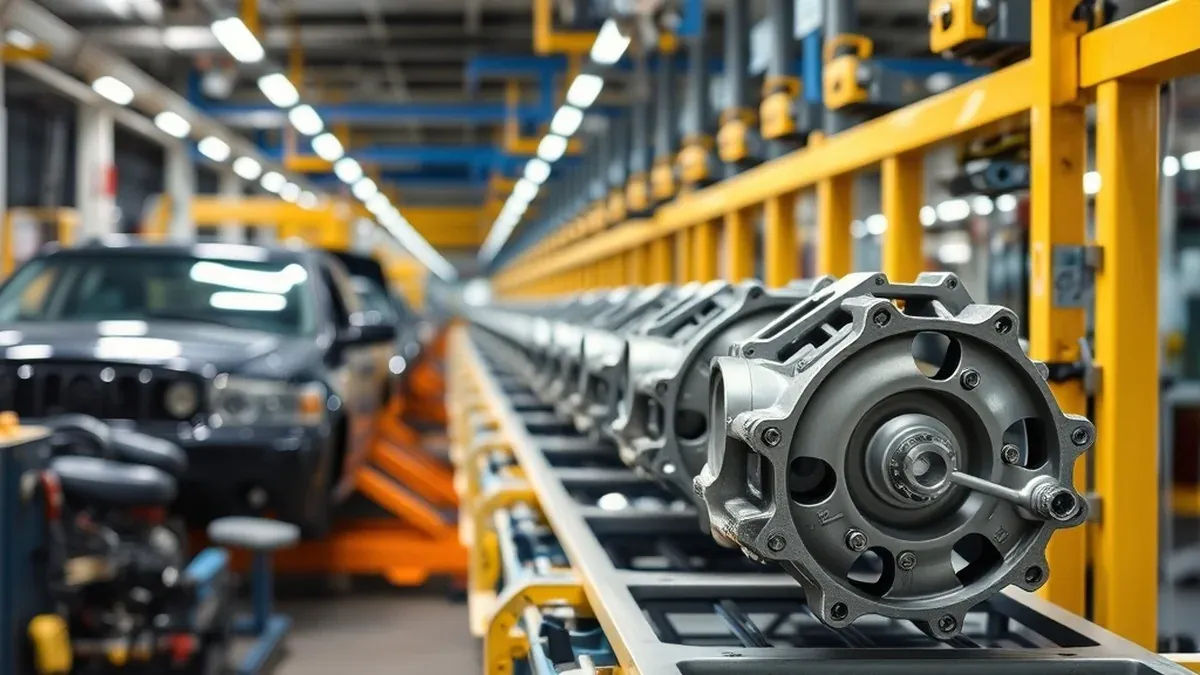
Volkswagen Group has invested heavily in its Indian operations, yet it has faced persistent challenges in achieving the scale necessary for consistent profitability. The company currently operates significant manufacturing and engineering facilities in Chakan and Chhatrapati Sambhajinagar, Maharashtra, which possess a combined annual production capacity of approximately 4 lakh vehicles. Despite this infrastructure, domestic sales volumes have remained substantially below capacity, creating a clear need for a partner that can drive higher utilization.
By joining forces with JSW, Volkswagen seeks to address these inefficiencies through shared vehicle development costs and a broader, more localized product portfolio. The partnership is intended to increase local sourcing and strengthen manufacturing capabilities, which are critical in the price-sensitive Indian market. Volkswagen has confirmed that the collaboration is designed to expand its vehicle offerings and improve the overall economics of its local operations, potentially allowing the company to move beyond the limitations it encountered during its previous India 2.0 strategy.
Operational Independence and Market Positioning
Industry observers have noted that the proposed venture is expected to remain distinct from JSW Group's existing automotive interests. Specifically, the new partnership with Skoda Auto Volkswagen India Private Limited is slated to operate separately from JSW MG Motor India, the group's current automotive venture with SAIC Motor. This structure would leave JSW with two distinct passenger-vehicle businesses, each maintaining its own corporate identity and global strategic partner.
For JSW, the deal serves as a rapid expansion into the mainstream automotive sector, providing immediate access to established vehicle architectures and a global technology pipeline. The company is expected to bring its own supplier leverage and a strong appetite for rapid expansion to the table. By keeping the ventures separate, JSW appears to be building a diversified automotive portfolio that balances different global partnerships and market segments, effectively positioning itself as a central player in India's evolving mobility sector.
Addressing Valuation and Legacy Liabilities
While the non-binding MoU sets the stage for a partnership, the path to a final agreement involves complex financial hurdles. A primary focus of the ongoing due diligence is the valuation of Skoda Auto Volkswagen India's assets and operations. This process is complicated by an unresolved customs-duty dispute, where Indian authorities have alleged that certain vehicle imports were misclassified to avoid higher duties. While the company has legally challenged these claims, the potential financial exposure is significant.
Reports indicate that the total tax demand under consideration during these negotiations could reach approximately 20,000 crore rupees. The Bombay High Court has recently moved the matter for rehearing, leaving the outcome uncertain. How this contingent liability is treated will likely be a decisive factor in the final valuation and the ultimate structure of the deal. Both parties are currently working through these financial details, with Volkswagen expected to present a concrete proposal to its board by December 2026.
Future Focus on EVs and Export Potential
Electric vehicles are expected to be a cornerstone of the proposed joint venture. Volkswagen has struggled to introduce EVs in India at competitive price points while maintaining the necessary level of localization. The partnership with JSW could provide the required investment and supplier ecosystem to accelerate the localization of electric platforms. By combining JSW's local manufacturing scale with Volkswagen's global EV engineering, the venture aims to make electric mobility more accessible to the Indian consumer.
Beyond the domestic market, the companies are exploring the potential to transform India into a significant global export hub. Increasing production for international markets would allow the venture to spread development and manufacturing costs across much larger volumes, further improving factory utilization. As India's trade access to international markets continues to improve, the business case for using the country as a base for both domestic and export-oriented production is becoming increasingly attractive for the partners.