
13 Sept 2026, 06:20 PM 5 min readauto
India’s EV Battery Recycling Gap Threatens Future Resource Security
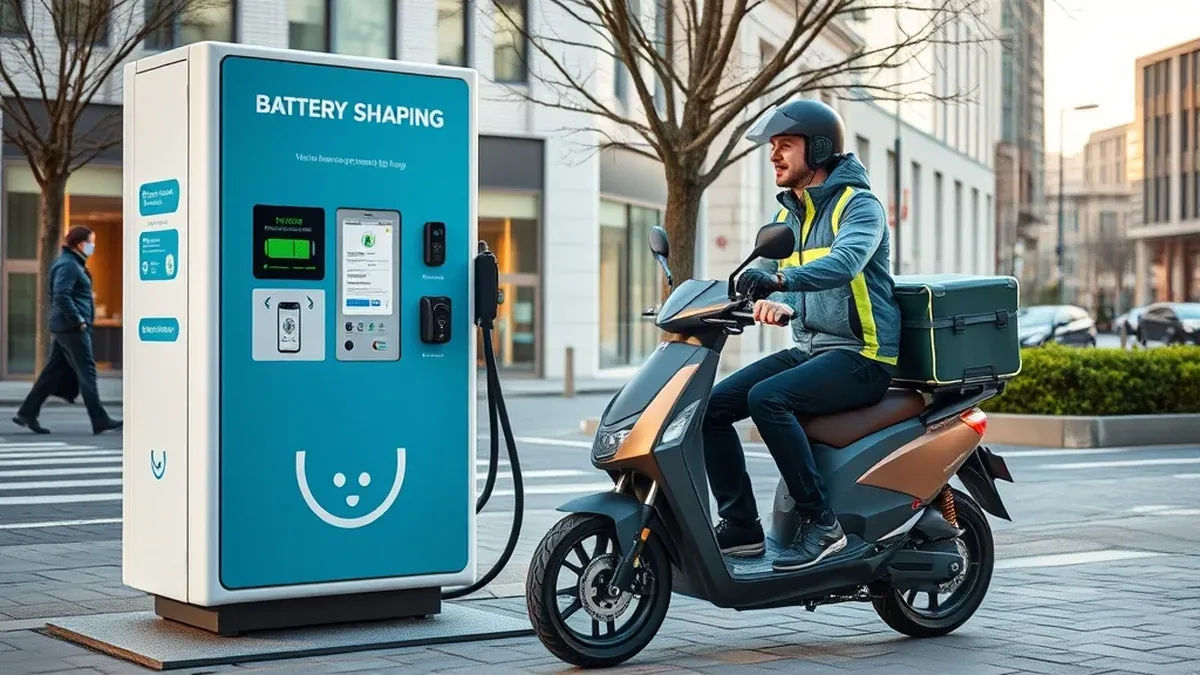
India's rapid transition to electric mobility has created an urgent, dual-track challenge: scaling a nascent battery recycling ecosystem to match the projected surge in end-of-life waste. While the nation's electric vehicle market saw sales reach 1.96 million units in fiscal year 2025, a 17 percent increase, the infrastructure required to manage the resulting battery waste remains fragmented. Industry experts warn that India has a critical window of only three to five years to establish robust collection and refining systems before the volume of discarded batteries accelerates toward a projected two million tonnes annually by 2035.
The strategic necessity of this transition is underscored by India's reliance on imported critical minerals such as lithium, cobalt, and nickel. As the electric vehicle sector scales from a projected USD 51.69 billion in 2025 to USD 277.51 billion by 2035, the ability to recover these materials domestically is becoming a matter of national resource security. Without a synchronized expansion of recycling capacity, India risks losing a vital secondary resource stream to material leakage, potentially undermining the long-term sustainability of its electrification goals.
Regulatory Framework and Recovery Targets
India's Battery Waste Management Rules of 2022 established the foundational Extended Producer Responsibility framework, which mandates that producers take full accountability for the collection and recycling of batteries. This regulatory architecture is designed to be progressively more stringent, with recycler recovery targets set to rise from 70 percent in the 2024-25 period to 90 percent by 2026-27. Compliance is managed through a centralized portal overseen by the Central Pollution Control Board, which enforces a polluter-pay principle for non-compliance.
However, regulation alone cannot dictate the economic viability of the recycling sector. The profitability of these operations is contingent upon a complex interplay of factors, including battery chemistry, fluctuating metal prices, logistics costs, and processing yields. While the regulatory foundation is in place, the physical ecosystem currently lacks the depth required to ensure that these mandates translate into actual, high-purity material recovery. The industry must now bridge the gap between policy intent and operational reality to ensure that the EPR framework effectively drives the circular economy.
The Capacity Gap and Infrastructure Challenges
There is a significant disparity between India's current operational recycling capacity and the requirements of the coming decade. Current estimates place operational capacity at approximately 2 to 3 GWh, or roughly 60,000 tonnes, whereas the projected demand by 2030 will reach 128 GWh. While the pipeline for expansion is encouraging, with various companies announcing plans to add nearly 500,000 metric tonnes per annum of capacity, these facilities are not yet operational. The industry must move beyond simple mechanical shredding and black mass production to focus on domestic high-purity refining.
Manikumar Uppala, Co-Founder and Chief of Industrial Engineering at Metastable Materials, emphasizes that the ultimate metric for success should be the quality and utility of recovered materials. He notes that the industry must evolve to handle diverse battery chemistries, particularly as Lithium Iron Phosphate (LFP) becomes more prevalent. Unlike Nickel Manganese Cobalt (NMC) batteries, which contain higher-value metals, LFP batteries offer lower intrinsic value, requiring recyclers to optimize process efficiency and reduce logistics costs to maintain economic viability across the entire battery mix.
Fleet Electrification as a Catalyst
Commercial EV fleets are currently serving as the primary proving ground for India's electrification, providing the high-utilization data necessary to optimize infrastructure. By operating 12 to 16 hours a day, these fleets demonstrate the economic benefits of electric mobility, with total costs of ownership often 30 to 50 percent lower than diesel or CNG counterparts. This consistent demand is driving the deployment of fast-charging networks, which are essential for the broader adoption of electric vehicles. Akshit Bansal, Founder and CEO of Statiq, highlights that data from fleet telematics is already revealing real-time insights into peak routes and power demands, allowing for the strategic placement of high-capacity charging hubs.
These fleet operations are not only accelerating the adoption of electric vehicles but are also creating the necessary scale to crash battery prices. By clustering charging infrastructure with battery-swapping capabilities and vehicle-to-grid technologies, the industry can further reduce operational costs. This fleet-led transition is expected to account for up to 40 percent of India's 2030 electric vehicle goals, effectively pulling the mass market into the electric wave and creating a more predictable stream of end-of-life batteries for the recycling sector to process.
Strategic Priorities for Resource Security
To successfully manage the impending wave of battery waste, India must prioritize four key areas of development. First, the industry requires a robust, traceable collection system that ensures end-of-life batteries are diverted from the informal sector to authorized recyclers. Second, recycling processes must become chemistry-aware to accommodate the shift toward LFP batteries. Third, the nation must invest in domestic high-purity refining capabilities to ensure that recovered materials can directly substitute for virgin inputs in manufacturing. Finally, the regulatory system must ensure that EPR compliance translates into measurable physical recovery.
As Tata Motors CSO SJR Kutty notes, sustainability is a fundamental framework for business transformation rather than a peripheral concern. The integration of circularity into the automotive supply chain is essential for resilience against global market volatility. By designing for durability, enabling reuse, and prioritizing component refurbishment, the industry can create a closed-loop system that reduces reliance on volatile virgin material markets. The success of India's EV transition will ultimately depend on whether the infrastructure built today can transform waste into a secure, domestic resource stream that strengthens the nation's critical-mineral security.
The Indus Pulse is committed to accuracy and transparency.