
India Proposes BS-VII Emission Norms From April 2029 in Phased Rollout
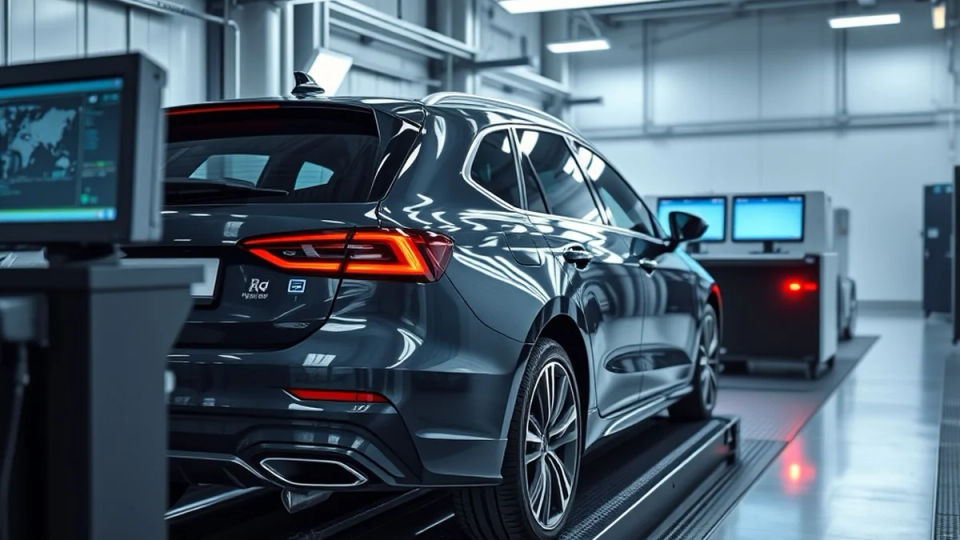
The central government has drafted regulatory proposals to introduce Bharat Stage VII emission standards for passenger motor vehicles beginning April 1, 2029, significantly tightening automotive pollution thresholds. According to draft notifications issued by the Ministry of Road Transport and Highways, the initial mandates will govern newly manufactured category M1 passenger automobiles and sports utility vehicles. The transport ministry opened a thirty-day public consultation window to receive industry and stakeholder representations before formalizing amendments to the Central Motor Vehicles Rules of 1989. The regulatory architecture aims to tighten automotive pollution benchmarks while aligning domestic vehicular requirements more closely with European Euro 7 standards.
India introduced Bharat Stage VI standards nationwide in April 2020, significantly tightening vehicle-emission requirements across the country.
With the implementation of Bharat Stage VI emission norms from April 2020, vehicles emitted 80% less particulate matter and 70% less nitrogen oxides compared to BS-IV.
Beginning April 1, 2030, official type approvals will mandate real-world emissions testing via portable equipment.
Multi-Phase Implementation Roadmap and Vehicle Coverage
The draft policy establishes a three-phase rollout extending from April 2029 through April 2035, giving automobile manufacturers approximately two and a half years before mandatory standards take effect. Under the proposed implementation schedule, BS-VII standards will initially apply to passenger cars and SUVs in April 2029 before expanding to commercial delivery vans in 2030. Buses and heavy commercial transport vehicles will transition to the framework from April 2031, while separate rollout timelines for two-wheelers will be determined at a later stage.
For pure electric vehicles and plug-in hybrids under BS-VII, batteries must retain at least 75 percent performance for five years or 100,000 km, and 67 percent up to eight years or 160,000 km.
Non-Exhaust Particulate Controls and Tyre Wear Standards
In a structural shift from prior frameworks, the proposed regulations extend oversight beyond tailpipe fumes to encompass non-exhaust emissions and component mechanical durability. From April 2031, the framework establishes binding limits on brake-particle PM10 emissions and introduces abrasion benchmarks for category C1 passenger vehicle tyres. Brake particulate limits are structured at 3 milligrams per kilometer for pure electric vehicles and 7 milligrams per kilometer for hybrid and internal combustion configurations. For passenger cars and SUVs, testing protocols will lower the particle-number measurement threshold from 23 nanometers to 10 nanometers to intercept finer particulate matter.
Real-World Telemetry and Electric Vehicle Battery Durability
The regulatory framework requires automated on-board diagnostic instrumentation showing real-time fuel consumption, battery state of health, and pollutant emissions through in-cabin driver displays. Automobile manufacturers will also be required to demonstrate pollution compliance through real-world driving emissions assessments and structured checks on consumer vehicles already deployed in service.
Refinery Infrastructure Outlook and Legacy Vehicle Protections
Unlike the disruptive transition to BS-VI in 2020, implementing BS-VII is not expected to require massive refinery infrastructure retooling to produce compliant transport fuels. Official guidance clarified that in-use legacy automobiles will not be subject to mandatory scrappage solely due to the prospective introduction of BS-VII norms.