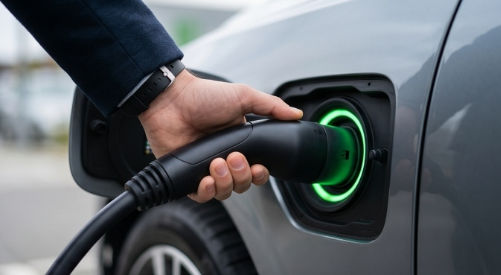
Major global automakers are increasingly turning to range-extender hybrid technology as a strategic bridge to address consumer anxiety regarding electric vehicle range and charging infrastructure. By integrating a small internal combustion engine that functions exclusively as a generator to charge the battery—rather than powering the wheels directly—manufacturers are attempting to offer the benefits of electric driving without the limitations of current battery technology. This shift represents a significant recalibration of electrification roadmaps as companies grapple with slower-than-anticipated consumer adoption of pure battery-electric vehicles (BEVs).
The move toward range-extender technology, often referred to as series hybrids, marks a departure from the industry's previous singular focus on full battery-electric platforms. While pure BEVs remain the long-term goal for many manufacturers, the current market reality has forced a pragmatic reassessment. By utilizing a smaller, more efficient battery pack paired with a gas-powered generator, automakers can reduce vehicle weight and costs while providing drivers with the convenience of refueling at traditional gas stations during long-distance travel.
The Engineering Shift Toward Series Hybrids
At the heart of the range-extender architecture is a fundamental change in how the powertrain operates. Unlike traditional parallel hybrids, where both an electric motor and a gas engine can drive the wheels, a range-extender vehicle relies entirely on its electric motor for propulsion. The internal combustion engine serves a singular purpose: to generate electricity when the battery charge drops below a certain threshold. This configuration allows the engine to operate at a constant, optimal speed, which can significantly improve fuel efficiency compared to conventional engines that must adjust to varying road speeds.
Engineers are finding that this setup allows for a more compact battery design, which addresses two major pain points for consumers: vehicle price and charging time. Because the battery does not need to be large enough to cover the vehicle's entire maximum range, manufacturers can lower the overall cost of the vehicle. Furthermore, the ability to replenish the battery via a gas tank provides a safety net for drivers who may not have access to reliable public charging networks, effectively neutralizing the range anxiety that has historically deterred many potential EV buyers.
Strategic Realignments in Global Markets
Automakers are deploying this technology as a tactical response to shifting market dynamics, particularly in regions where charging infrastructure development has lagged behind vehicle sales. By offering a vehicle that functions as an EV for daily commuting but provides the flexibility of a gas car for road trips, companies are attempting to capture a broader segment of the market that is not yet ready to commit to a pure electric lifestyle. This strategy is particularly relevant in North America and parts of Europe, where long-distance driving remains a staple of consumer behavior.
This pivot also allows manufacturers to utilize existing supply chains and manufacturing facilities for internal combustion engines, providing a more cost-effective transition period. Instead of abandoning legacy engine production entirely, companies are repurposing these assets to support their electrification goals. This hybrid approach provides a buffer against the volatility of the battery supply chain, including fluctuations in raw material costs and limited production capacity for high-density lithium-ion cells.
Consumer Adoption and Market Positioning
Market research indicates that range-extender hybrids may serve as a critical gateway for consumers who are curious about electric vehicles but remain hesitant due to practical concerns. By removing the fear of being stranded without a charge, automakers are lowering the barrier to entry for electrification. This segment of the market is often characterized by buyers who prioritize convenience and reliability, making the range-extender a compelling middle ground between traditional internal combustion vehicles and full-electric models.
However, the success of this strategy depends on how effectively manufacturers can communicate the benefits of the technology to the public. There is a risk that consumers may view these vehicles as a compromise rather than an innovation. To mitigate this, marketing efforts are increasingly focusing on the driving experience, emphasizing the quiet, smooth acceleration characteristic of electric motors while highlighting the peace of mind provided by the gas-powered generator.
Regulatory and Environmental Implications
While range-extender hybrids offer a practical solution for consumers, they also present a complex challenge for regulators focused on emissions targets. Because these vehicles still rely on fossil fuels, their environmental footprint is higher than that of a pure BEV. Policymakers are currently evaluating how to categorize these vehicles within existing incentive structures and emissions mandates. The challenge lies in balancing the need for immediate reductions in carbon emissions with the practical necessity of facilitating a transition that consumers are willing to embrace.
Some jurisdictions are considering tiered incentives that reward vehicles based on their electric-only range, potentially favoring range-extenders that can handle most daily driving tasks on battery power alone. As the industry continues to refine this technology, the regulatory landscape will likely evolve to reflect the nuanced role that these hybrid systems play in the broader decarbonization effort. The ultimate goal remains a full transition to zero-emission vehicles, but the path forward is increasingly being paved with intermediate solutions that bridge the gap between legacy and future technologies.
Future Outlook and Technological Milestones
Looking ahead, the industry is closely monitoring the performance and consumer reception of the first wave of mass-market range-extender models. If these vehicles succeed in driving higher adoption rates, it could lead to a more sustained period of hybrid dominance before pure BEVs become the standard. Manufacturers are also exploring ways to integrate more sustainable fuels into the generator systems, which could further improve the environmental profile of these vehicles over time.
Unresolved questions remain regarding the long-term maintenance costs of these dual-powertrain systems and how they will hold their value in the secondary market. As more data becomes available from real-world usage, automakers will likely refine the software and hardware components to maximize efficiency and reliability. The next few years will be a critical testing ground for whether the range-extender can truly serve as the bridge that finally brings the mass market into the electric age.