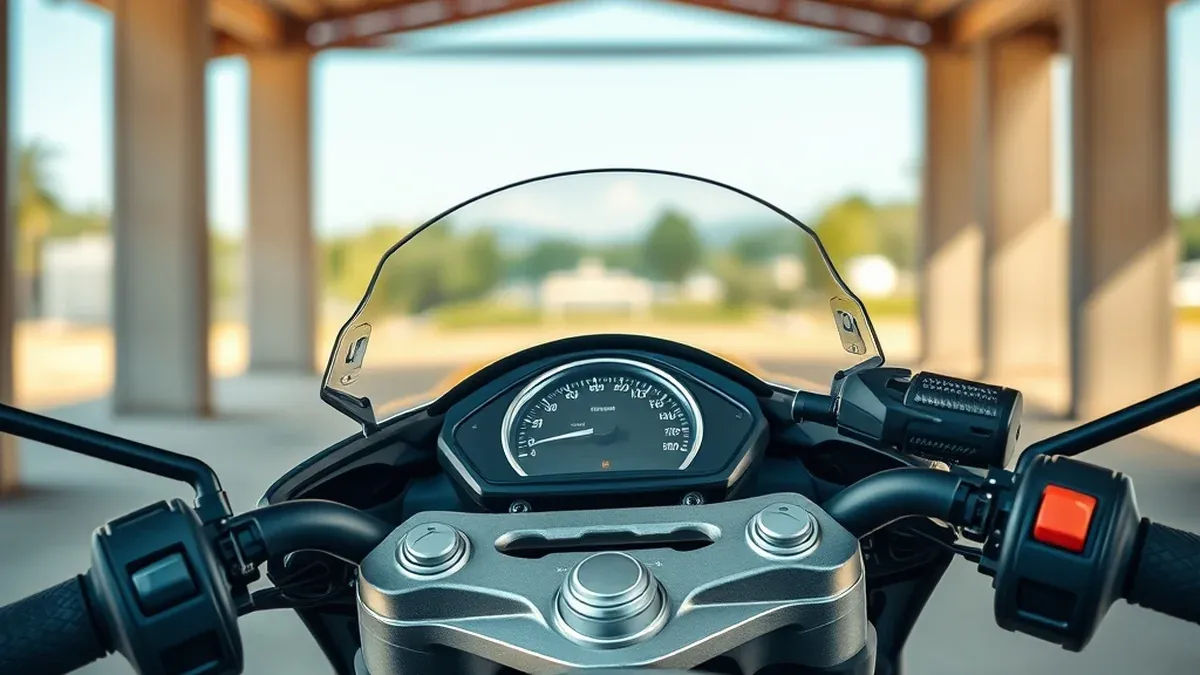
Ather Energy is actively developing its first electric motorcycle targeting the 150-300cc performance segment, with commercial availability projected in approximately three years or less. Cofounder and Chief Technology Officer Swapnil Jain outlined the strategic roadmap during an interview, noting that the company is currently building vehicle architecture and evaluating customer preferences in parallel.
The timeline follows several previous internal schedule shifts, as the firm prioritized its new EL scooter platform and the recent launch of the Konarc electric scooter. Company leadership emphasizes that understanding rider emotions and ergonomics for a motorcycle presents a distinct challenge compared to utility-focused scooters.
Parallel Engineering and Customer Research Strategy
Ather is separating its engineering development from final consumer design to streamline the path to market. The engineering team is independently establishing broad technical parameters including voltage boundaries, top speed capabilities, battery cells, and chemistry configurations.
Simultaneously, product and marketing teams are studying diverse consumer preferences regarding riding posture, suspension tuning, and styling. Jain explained that building early proof-of-concept prototypes helps identify emotional connections with buyers before freezing the final vehicle architecture.
Battery Specifications and Range Philosophy
The engineering team does not view battery packaging as a major obstacle for the electric motorcycle project. The space traditionally occupied by a petrol motorcycle's fuel tank will house an estimated 8 to 10 kilowatt-hour battery pack.
Jain noted that extreme capacities are unnecessary for everyday utility, pointing out that while consumers initially demanded 300 to 400 kilometers of range, real-world scooter data shows approximately 120 kilometers satisfies most users. The company aims to align product specifications closely with genuine daily usage rather than chasing speculative range figures.
Supply Chain Resilience and Rare-Earth Reductions
Ather has adapted its component sourcing following export restrictions on heavy rare-earth magnets from China. By analyzing telemetry data from vehicles on the road, the engineering team determined that the high-temperature thresholds offered by heavy rare-earth magnets exceed typical operating conditions.
The company successfully transitioned to light rare-earth magnets without experiencing supply bottlenecks. Furthermore, Ather maintains up to six months of cell inventory to absorb demand volatility while evaluating local Indian companies attempting to establish domestic cell manufacturing.
Investor Independence and Market Dynamics
Despite Hero MotoCorp increasing its equity stake in Ather to approximately 32.8 per cent last month, Jain confirmed that the major motorcycle manufacturer maintains a strictly hands-off operational posture. The founders retain full independence over day-to-day management and technological decisions.
India's broader motorcycle sector spans roughly 13 million units annually, yet electric models currently account for less than 1 per cent of total volume. With legacy players yet to enter the electric motorcycle space, Ather plans to leverage its proprietary EV expertise to establish a new performance benchmark without entering external joint ventures.