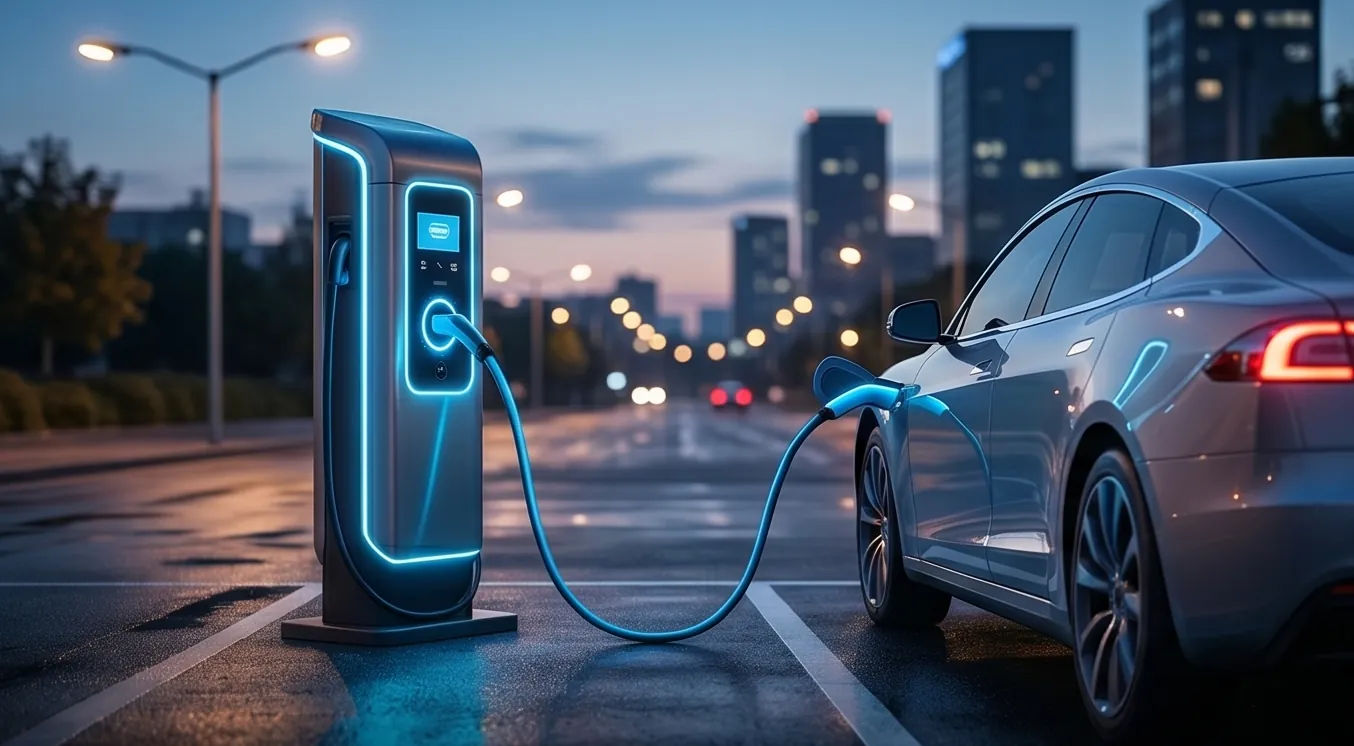
For the first time in India’s automotive history, the combined retail sales of alternative-fuel passenger vehicles—comprising CNG, hybrid, and electric models—have surpassed those of traditional petrol-powered cars. According to data released by the Federation of Automobile Dealers Associations (FADA), alternative-powertrain vehicles captured a 41.95% market share in August, narrowly edging out petrol vehicles, which accounted for 40.85% of total passenger vehicle sales. This milestone marks a significant shift from August 2025, when petrol vehicles held an 11-percentage-point lead over their alternative counterparts.
The transition is being driven by a combination of economic factors and growing consumer apprehension regarding the government’s E20 fuel mandate. The policy, which requires petrol to contain 20% ethanol, has faced public backlash from owners of older vehicles who fear potential engine damage and reduced fuel efficiency. While the government has dismissed these concerns as "wild claims," the market data suggests that buyers are increasingly opting for vehicles that offer more predictable running costs and insulation from the ongoing debate surrounding fuel quality and engine longevity.
The Shift Toward Alternative Powertrains
The composition of the alternative-fuel segment reveals a diverse range of consumer preferences. Compressed Natural Gas (CNG) remains the dominant alternative, accounting for 25.28% of total passenger vehicle sales in August. Hybrids followed with a 9.04% share, while electric vehicles (EVs) captured 7.63% of the market. This collective 41.95% share represents a major departure from the previous year, when petrol-powered cars dominated the landscape with a 46.37% share.
Sai Giridhar, Vice President of FADA, noted that the trend is not merely a reaction to fuel concerns but a reflection of a maturing market. "This shift was bound to happen," Giridhar told Reuters, citing the wider availability of alternative-fuel models, improved EV range, and the gradual expansion of charging infrastructure as key drivers. Dealers report that the economics of running costs are increasingly influencing purchase decisions, as consumers seek to mitigate the impact of rising fuel prices and the uncertainties associated with the E20 transition.
Rural Markets Outpace Urban Growth
Beyond the shift in fuel types, the August data highlighted a robust performance in rural India, where retail auto sales grew by 19.79% year-on-year, significantly outpacing the 15.17% growth recorded in urban centers. This trend was consistent across all major vehicle categories, with rural passenger vehicle sales surging by 24.99% compared to 10.93% in urban areas. The two-wheeler segment also saw rural sales increase by 20.25%, slightly ahead of the 19.07% growth in urban markets.
This divergence suggests that demand is broadening beyond major metropolitan hubs, providing a vital cushion for the industry as it navigates inflationary pressures and price hikes. The strong rural performance is expected to be a critical factor for manufacturers as they head into the annual festive season, a period that historically accounts for a significant portion of annual vehicle sales. Industry analysts view this rural resilience as a positive indicator for the broader automotive sector’s recovery and long-term growth trajectory.
Competitive Realignment Among Automakers
The passenger vehicle market also saw notable shifts in brand dominance during August. Maruti Suzuki, the country’s largest carmaker, expanded its market share to 41.05% from 38.82% in the same period last year. Tata Motors also recorded a gain, rising to 14.37% from 11.88%. Conversely, other major players saw their shares moderate; Mahindra & Mahindra’s share declined to 12.49% from 13.36%, and Hyundai Motor India’s share fell to 11.68% from 12.94%.
These fluctuations underscore the intense competition within the Indian market, where manufacturers are increasingly reliant on their ability to offer a diverse portfolio of powertrains. As Maruti Suzuki prepares for its third price hike since May—with select models increasing by up to 20,000 rupees—the industry remains focused on whether these adjustments will dampen the momentum gained from recent tax reforms. Despite these price increases, dealers remain optimistic, with over 80% of those surveyed by FADA expecting growth in the September-November period.
Future Outlook and Industry Challenges
While the August sales figures of 2.4 million units represent a record for the month, the industry faces lingering challenges. The year-on-year growth of 17.5% is partly attributed to the low base of August 2025, when many buyers deferred purchases in anticipation of GST rate cuts. Furthermore, the reliance on diesel remains absolute in the commercial and heavy-machinery sectors, with nearly 100% of tractors and wheeled-construction equipment sold in August being diesel-powered. In the commercial vehicle segment, diesel still accounts for approximately 80% of sales, though EV penetration in this category has more than doubled to 5.18%.
As the industry enters the festive season, the primary question remains whether the shift toward alternative fuels will continue at this pace or if it will plateau as the E20 transition settles. Dealers are monitoring inventory levels, which increased to 38–40 days in August, to ensure they are prepared for potential demand spikes. The long-term sustainability of this "green turn" will likely depend on continued infrastructure investment and the ability of manufacturers to keep vehicle prices accessible amidst ongoing inflationary pressures.