
2026 TVS Radeon Launched in India With LED Lighting Updates
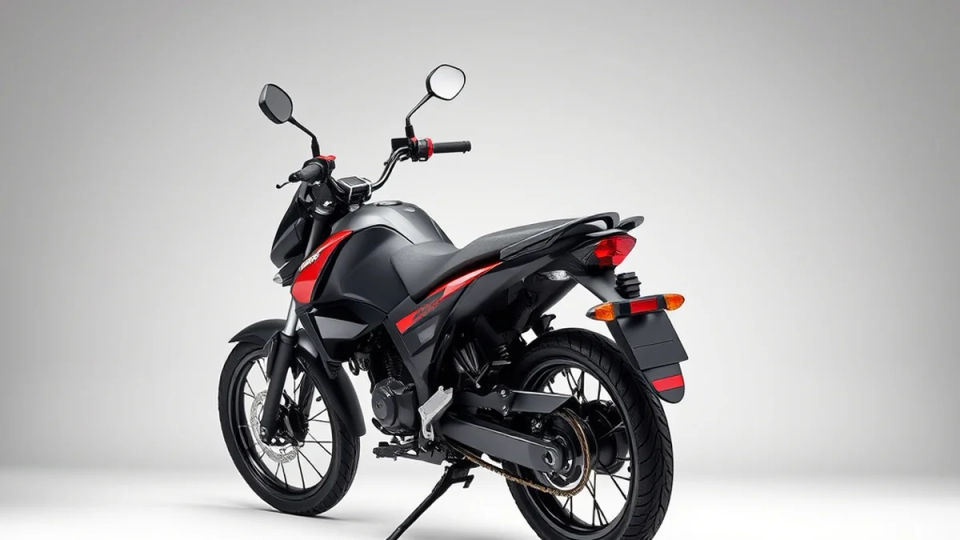
TVS Motor Company has launched the 2026 iteration of its Radeon commuter motorcycle in India, with prices starting at Rs 67,100 (ex-showroom). The updated lineup introduces new aesthetic and functional enhancements ahead of the festive season, though the core mechanical platform remains unchanged from the previous model.
Design and Lighting Upgrades
The 2026 model introduces a modernized front profile featuring a new LED headlamp integrated with a daytime running light (DRL). The rear of the motorcycle has also been updated with an LED tail lamp, which now incorporates six vertical lighting elements, and LED turn indicators at both ends. TVS has refreshed the bike's visual appeal with new graphics and updated color schemes. The base variant is available in Black and Red or Black and Blue, while the higher-spec DIGI variants offer Black and Orange options. The popular Red and Black dual-tone scheme remains available for the DIGI Drum and DIGI Disc models.
Performance and Variants
Under the seat, the 2026 Radeon retains its proven 109.7cc, single-cylinder, air-cooled engine. The powertrain delivers 8.08bhp and 8.7Nm of torque, managed by a four-speed gearbox. The bike continues to feature TVS' proprietary Glide Through Technology (GTT), designed to assist with low-speed maneuverability in traffic with minimal throttle input. The motorcycle maintains its commuter-focused ergonomics, including a single-piece seat, 18-inch alloy wheels, a rear luggage rack, and standard crash guards.
The updated range is segmented into three distinct variants. The base model is priced at Rs 67,100, while the mid-tier DIGI Drum variant is priced at Rs 70,100. The top-spec DIGI Disc variant, which is the only model in the updated range to feature a front disc brake, is priced at Rs 73,100. Both DIGI variants are equipped with a digital instrument cluster, providing a modern interface compared to the base model's analog setup.
How to evaluate a commuter-bike update
LED lighting may improve perceived modernity, but the practical questions are beam pattern, replacement cost and whether the motorcycle retains the fuel economy and low maintenance that attract daily commuters. When a manufacturer calls a model a 2026 update, buyers should distinguish cosmetic changes from revisions to brakes, emissions compliance, suspension or engine tuning. Actual prices should be compared for the same city and variant, including registration and insurance. Long-distance comfort, service-network availability and real fuel consumption are more relevant to ownership than showroom photographs. Unless a specification has been officially confirmed, it should be labelled as expected rather than carried over uncritically from the previous model year.