
India Desk July 21, 2026 at 04:39 PM 2 min readindiabreaking
India Protests Deaths of Four Indian Sailors in Odesa Missile Strike
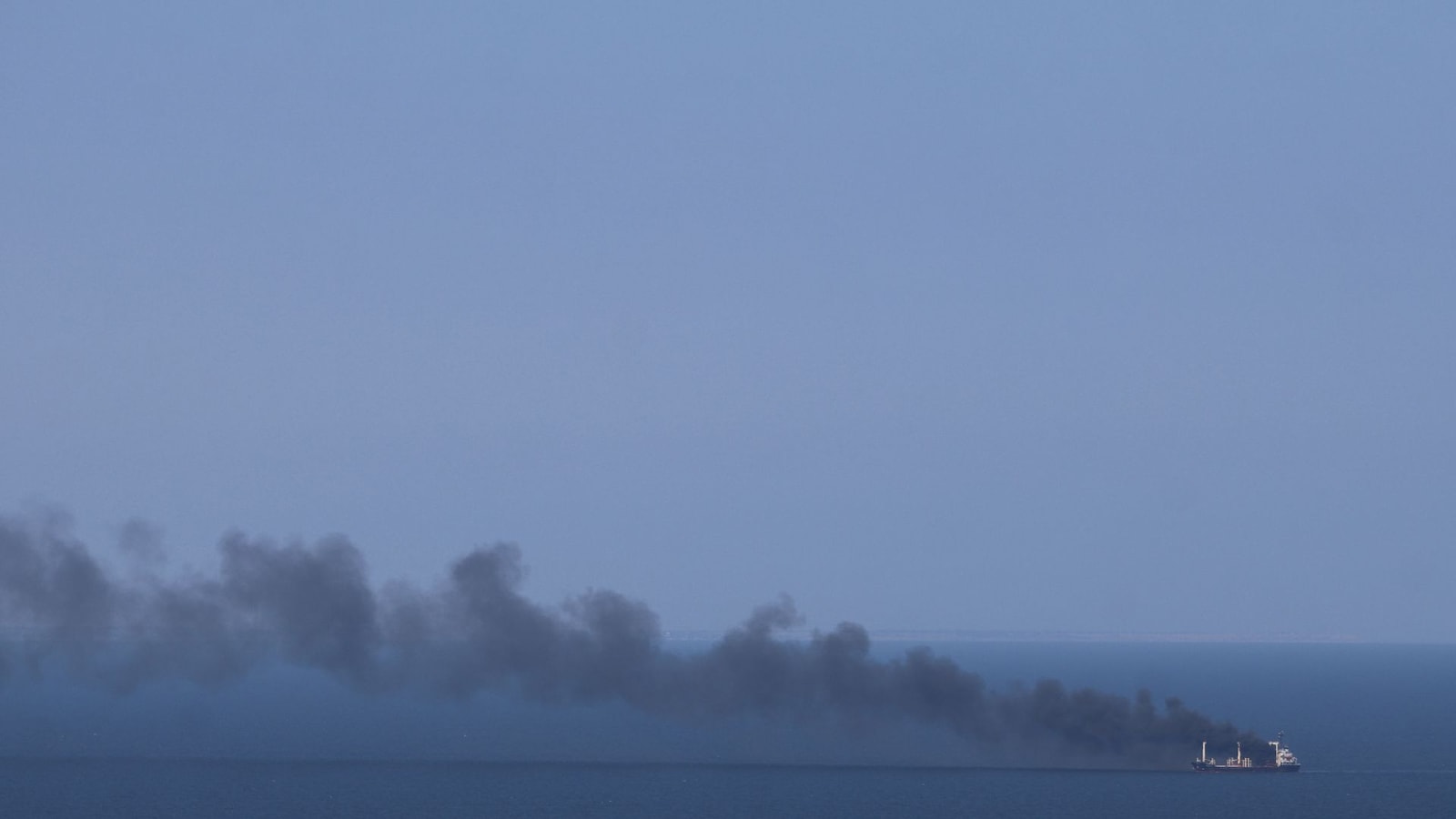
Odesa Port Missile Attack:
The Indian government has formally summoned a senior Russian diplomat to lodge a protest following the deaths of four Indian seafarers. The victims were part of the crew on the Guinea-Bissau-flagged merchant vessel *Golden Leo*, which was hit by cruise missiles off the coast of Odesa, Ukraine, on July 19. Of the 17 crew members, including Indian and Syrian nationals, four Indians were killed, and one remains hospitalized in critical condition. Ukraine’s military attributed the strike to Russian forces targeting maritime infrastructure.
Escalating Maritime Hostilities:
This incident marks the first time Indian maritime personnel have been killed in the ongoing Russia-Ukraine war. The attack occurred during a heavy wave of weekend strikes against Odesa’s port facilities. While Russia has maintained communication with New Delhi regarding the vessel and its crew, the event has drawn intense international focus on the dangers facing civilian shipping in the Black Sea. The incident highlights the extreme difficulty of maintaining safe commercial corridors while regional powers engage in active conflict.
Diplomatic and Security Fallout:
New Delhi is demanding a thorough investigation and accountability for the loss of its citizens. The summoning of the Russian envoy reflects a serious diplomatic rebuke, signaling that India will actively engage in disputes when Indian lives are harmed. The tragedy has triggered widespread concern within India's shipping community, with families and maritime unions calling for enhanced safety protocols. Moving forward, India may push for more secure merchant shipping lanes and re-evaluate the risks posed to its personnel navigating high-risk maritime zones, while balancing its complex diplomatic relationship with Russia.
Pulse Intelligence
Context & ImpactContext & Background
- The Black Sea has become a highly dangerous zone for international shipping due to the Russia-Ukraine conflict.
- India has historically maintained a policy of careful diplomatic balancing, avoiding direct alignment in regional conflicts.
- Civilian maritime infrastructure has been a recurring target for missile strikes throughout the ongoing regional hostilities.
Key Consequences
- The Indian government is expected to push for formal apologies, potential compensation for victims' families, and stricter maritime safety corridors.
- Indian shipping and logistics firms may face increased operational uncertainty and rising insurance premiums for Black Sea transit.
- Diplomatic ties between New Delhi and Moscow may experience increased scrutiny following the public protest over civilian casualties.
Market & Economic Impact
This incident creates uncertainty for Indian shipping and logistics companies, potentially increasing insurance costs for vessels operating in the region.