
World Desk July 20, 2026 at 05:42 PM 2 min readworldbreaking
Crude Oil Price Surge Threatens India’s Fiscal and Inflation Targets
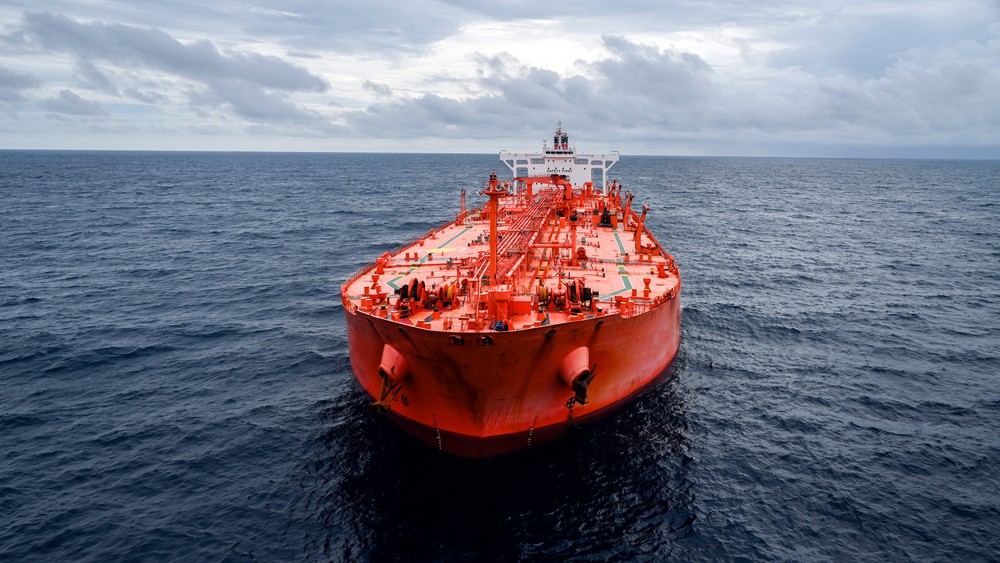
Crude Oil Import Costs:
India faces significant fiscal strain as the country's crude oil import bill climbed by 60% in the April-June quarter compared to the previous year. This surge in costs stems from a sharp escalation in international crude prices, driven by the ongoing conflict in the Middle East. With India importing 88% of its daily crude oil consumption, the supply disruptions near the Strait of Hormuz present an immediate, persistent risk to government finances and the nation's balance of payments. The volatility reflects both restricted physical availability and geopolitical fear-driven premiums in global energy markets.
Inflationary Pressures:
The rising cost of energy has direct implications for India's domestic inflation. Consumer price inflation for June 2026 reached 4.38%, exceeding the Reserve Bank of India’s 4% target. While economists suggest the central bank will likely maintain the key interest rate at 5.25% for now, the ongoing, re-escalating tensions in West Asia complicate the monetary policy outlook. The Reserve Bank of India is expected to wait and monitor the duration of these hostilities before adjusting its inflation expectations. Analysts note that while there was a brief respite in late June, the mid-July return to hostilities has reignited supply fears.
Market and Currency Impact:
The rupee has weakened against the American currency as traders account for high energy costs and foreign capital outflows from local equity markets. Domestic equity benchmarks traded lower on Monday as the conflict between U.S. forces and Iran entered its ninth consecutive day, with regional impacts reaching neighboring Jordan and Israel. Market participants remain anxious about the potential for wider regional instability to further restrict oil supplies. The combination of high import bills and a weaker rupee puts additional pressure on the Indian government's fiscal stability, necessitating cautious navigation of the country’s energy procurement strategies in the coming weeks.
Pulse Intelligence
Context & ImpactContext & Background
- India relies on the Strait of Hormuz for 40% of its crude oil and 60% of its LNG imports, making it highly sensitive to Middle East shipping disruptions.
- The Reserve Bank of India has been balancing a 4% inflation target against global commodity shocks, maintaining a 5.25% repo rate amid persistent, though manageable, inflationary trends.
Key Consequences
- Elevated crude prices are expected to worsen India's current account deficit if the conflict continues to drive oil import costs higher.
- Consumers may face upward pressure on fuel and transport costs, which could lead to broader core inflation increases if companies pass on these expenses.
- The Indian government may need to re-evaluate fiscal subsidies or fuel tax structures if the oil price rally remains sustained through the next quarter.
Market & Economic Impact
The rise in oil prices is negatively impacting the INR and has led to a notable weakness in local equity markets due to potential inflation concerns.