
30 Aug 2026, 03:46 PM 2 min readhealthDaily Pulse
WHO Highlights Progress in India's National Tuberculosis Elimination Program
Advanced diagnostic tools and community outreach are driving improved case detection and treatment adherence.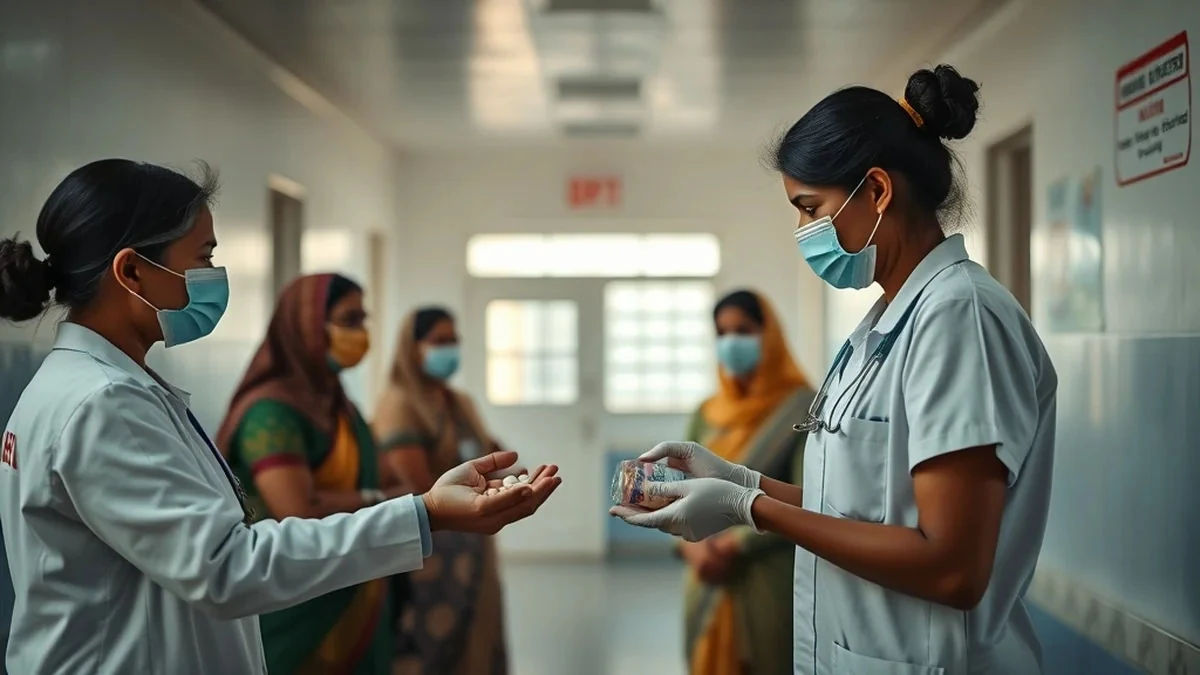
[Programmatic Success]:
According to the latest report from the World Health Organization (WHO), India has made significant strides in its National Tuberculosis Elimination Program. The data indicates a marked improvement in case detection rates and treatment adherence, attributed to the integration of digital health tools and community-based outreach initiatives. These efforts have been instrumental in reaching underserved populations and ensuring that patients receive timely care throughout their treatment journey.
[Technological Integration]:
The program's success is largely driven by the adoption of advanced diagnostic technologies, which have reduced the time required for confirmation and drug-sensitivity testing. As per MoHFW data, the expansion of molecular diagnostic centers across the country has played a pivotal role in identifying drug-resistant cases earlier. This technological shift is part of a broader strategy to align national efforts with global targets for tuberculosis eradication by the end of the decade.
[Future Challenges]:
Despite the progress, health officials acknowledge that challenges remain, particularly in addressing the social determinants of health that contribute to TB transmission. The government is focusing on strengthening nutritional support programs for patients, recognizing that improved health outcomes are closely linked to adequate dietary intake. Continued investment in research and development for shorter, more effective treatment regimens remains a priority for the national health mission as it moves toward its elimination goals.
Pulse Intelligence
Context & ImpactContext & Background
- WHO reports significant progress in India's TB elimination efforts.
- Digital health tools and community outreach have improved case detection rates.
- Molecular diagnostic centers have been expanded to improve drug-sensitivity testing.
Key Consequences
- Improved treatment adherence is expected to lower the incidence of drug-resistant tuberculosis.
- Nutritional support programs will likely enhance recovery rates among vulnerable patient groups.
- India is better positioned to meet global TB eradication targets by the end of the decade.
Market & Economic Impact
Not applicable.
The Indus Pulse is committed to accuracy and transparency.