
21 Aug 2026, 08:34 PM 2 min readaianalysis
Minister Vaishnaw Maps India AI Roadmap as IT Firms Rejig Contracts
India's Artificial Intelligence Roadmap:
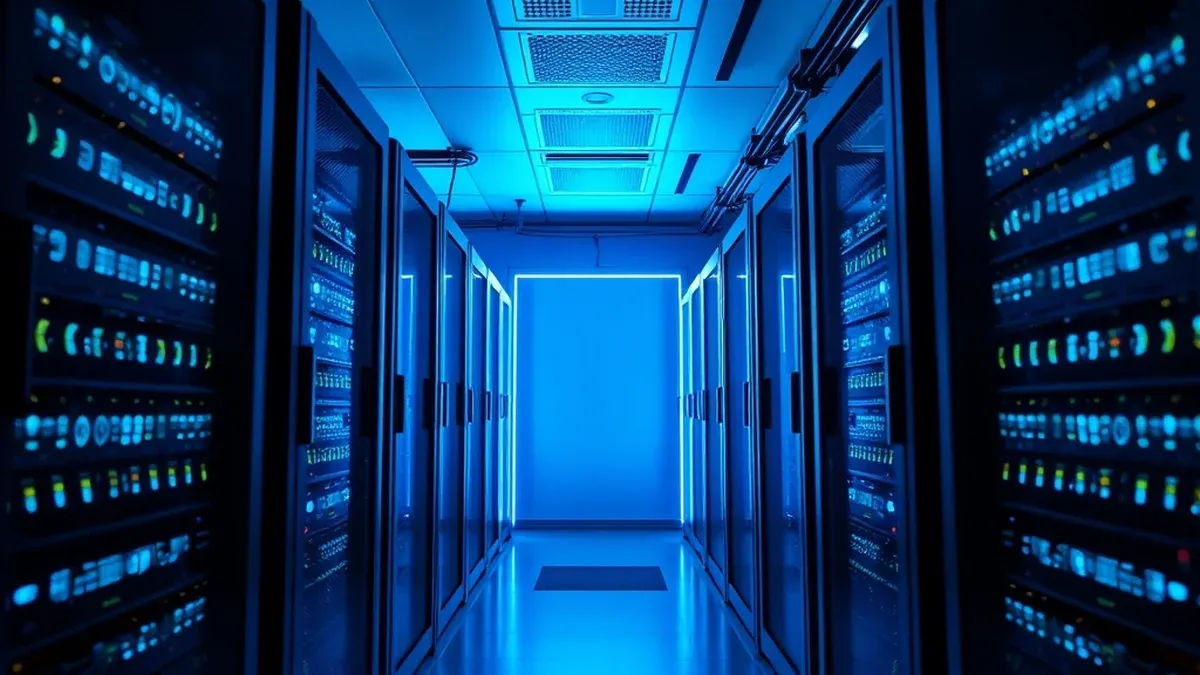
Union Minister Ashwini Vaishnaw has identified the applications layer, data centers, and digital infrastructure as the primary pillars of India’s AI strength. Speaking with Morgan Stanley, the Minister emphasized that India is not just a consumer but a builder of foundational digital assets. This strategic focus aims to leverage the country's massive data reserves and developer base to create scalable AI solutions that can be exported globally. The government is prioritizing the development of a robust sovereign AI stack that balances innovation with data security, positioning India as a reliable partner in the global tech supply chain.
IT Services Business Model Transformation:
Leading Indian IT firms, including TCS, Infosys, Wipro, and HCLTech, are fundamentally restructuring their contract models in response to AI-driven client demands. Traditional time-and-material billing is increasingly being replaced by outcome-based pricing as clients demand higher efficiency through automation. Clients are now pushing for "more for less," requiring IT providers to deliver results rather than just counting billable hours. This shift is forcing a massive internal reorganization within these giants to prioritize productivity-enhancing AI tools over traditional labor-intensive coding and maintenance tasks.
Future Economic Implications for India:
The convergence of government-led infrastructure growth and private-sector agility positions India as a potential global hub for AI-led services. As data centers expand domestically, the cost of compute is expected to decrease, enabling Indian startups to innovate at scale without relying solely on foreign infrastructure. Market observers expect that the success of this transition will define the next decade of growth for India's $250 billion technology sector. The challenge remains in upskilling millions of professionals to move from routine support roles to high-value AI implementation and strategic consulting positions.
Pulse Intelligence
Context & ImpactContext & Background
- The Indian IT sector has historically relied on labor arbitrage and time-based billing, but the rise of generative AI has made routine coding tasks significantly cheaper.
- The IndiaAI Mission was launched by the government to provide compute capacity and support to startups through a ₹10,372 crore investment.
Key Consequences
- Indian IT firms will likely report higher margins over time as automation reduces the need for large entry-level workforces for routine tasks.
- Increased domestic demand for AI-ready data centers will trigger a surge in real estate and power infrastructure investments across major tech hubs.
Market & Economic Impact
The shift to outcome-based models may cause short-term revenue volatility for major IT stocks like TCS and Infosys, but long-term competitiveness in AI is expected to drive valuation growth.
The Indus Pulse is committed to accuracy and transparency.