
August 9, 2026 at 04:20 AM 2 min readworlddeveloping
Utah Helicopter Crash Kills Two During Wildfire Suppression
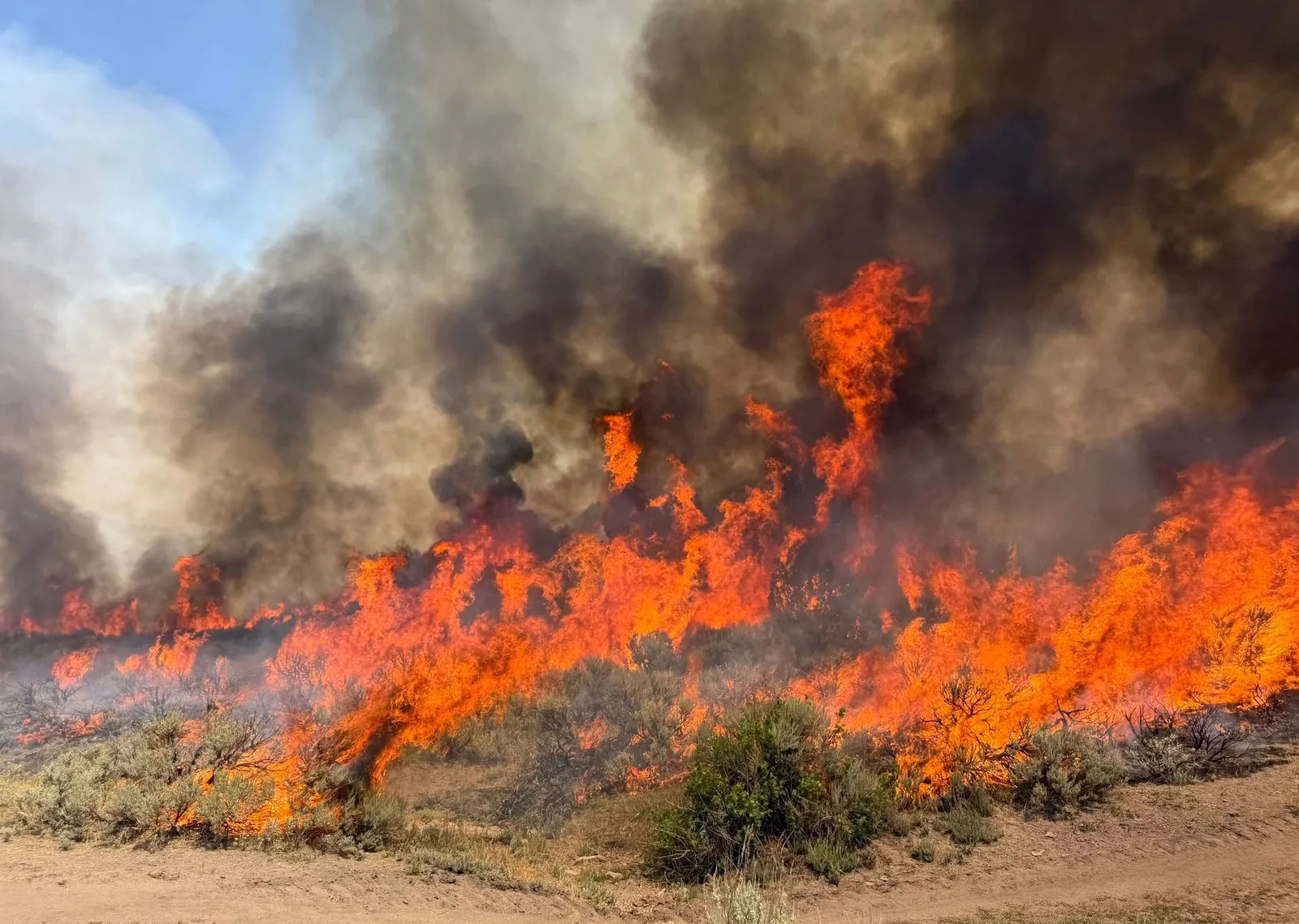
Utah Wildfire Aviation Tragedy:
Two crew members lost their lives after a helicopter involved in aerial wildfire suppression crashed in a remote area of Utah. The incident occurred during active efforts to contain a forest fire that has been spreading across the mountainous terrain. Emergency responders were immediately dispatched to the site, though authorities have confirmed that the individuals on board did not survive the impact. The helicopter, which was conducting bucket drops to dampen the flames, experienced a sudden loss of altitude before the crash occurred.
Operational Context and Incident Details:
Aerial firefighting remains a high-risk task due to the volatile environmental conditions inherent to wildfire zones. Pilots frequently contend with extreme turbulence, dense smoke, and rapidly shifting wind patterns that affect aircraft handling. While the specific mechanical or environmental cause of this crash remains under investigation, the mission was part of a broader federal and state effort to protect vulnerable wilderness and residential infrastructure. Aviation experts note that such missions require precision maneuvering at low altitudes, significantly narrowing the margin for error during critical fire suppression activities.
Investigation and Future Implications:
The National Transportation Safety Board has launched an investigation to determine the exact circumstances surrounding this disaster. Teams are currently on-site recovering the flight data recorders and evaluating the wreckage to assess whether mechanical failure or external flight factors contributed to the loss. This tragedy highlights the dangers faced by emergency personnel protecting land from seasonal wildfires in the American West. The results of the federal inquiry will likely dictate future safety protocols for aerial firefighting, potentially leading to stricter maintenance requirements or updated flight protocols for specialized aircraft operating in high-risk mountainous regions.
Pulse Intelligence
Context & ImpactContext & Background
- Aerial firefighting involves intense aerial maneuvering to drop water or retardant onto active fires.
- The Western United States often experiences increased wildfire activity during summer months, requiring high-intensity support from aviation units.
Key Consequences
- Federal regulators will likely initiate a comprehensive safety audit of all current aerial wildfire suppression contracts.
- Families of the deceased will receive support from state and federal agencies through formal tragedy assistance programs.
- Operational procedures for helicopter crews are expected to undergo rigorous review following the preliminary findings of the NTSB.
Market & Economic Impact
No direct market impact.
The Indus Pulse is committed to accuracy and transparency.