
17 Aug 2026, 09:53 AM 2 min readworlddeveloping
USS Abraham Lincoln Crew Faces Severe Mental Health Strain at Sea
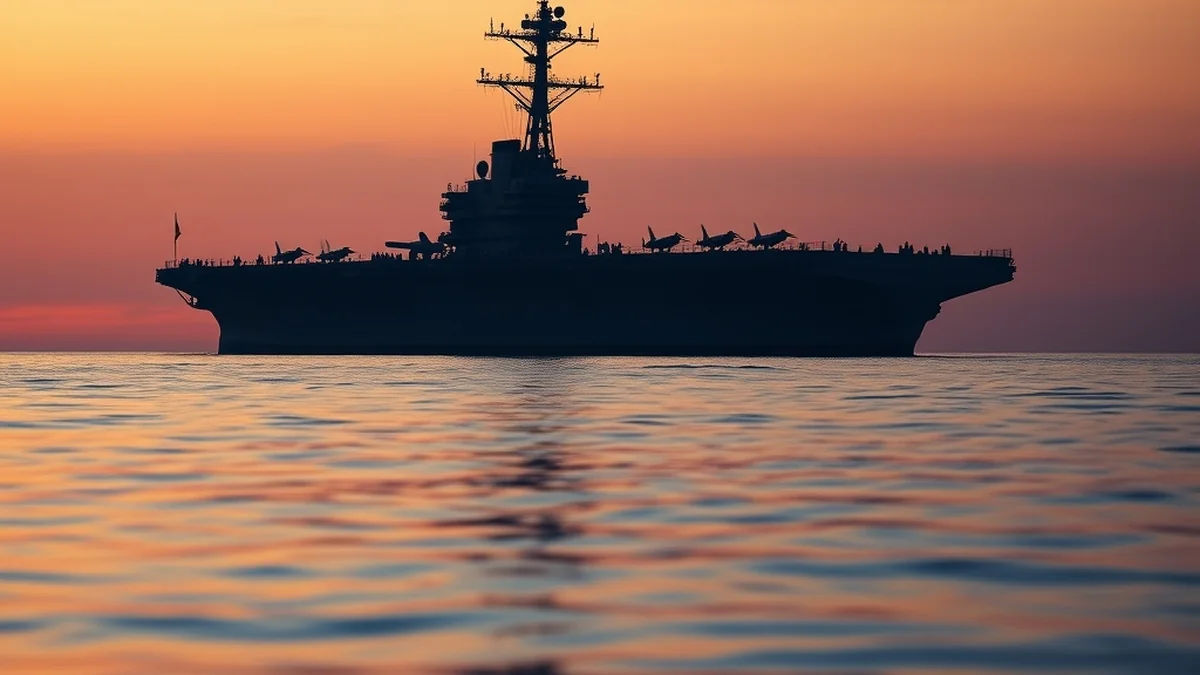
Operational Strain and Mental Health:
The crew of the USS Abraham Lincoln is grappling with significant mental health challenges due to the relentless tempo of extended sea deployments in critical zones. Vice Admiral Brad Cooper officially acknowledged the profound pressure exerted on naval personnel, noting that the combination of high-stakes mission profiles and isolation from home environments is taking a measurable toll. Sailors are reportedly dealing with exhaustion and psychological fatigue, which has prompted military leadership to closely evaluate the sustainability of current deployment patterns and force rotation cycles.
Drivers of Naval Stress:
These complications stem from the increasingly demanding operational requirements placed on carrier strike groups deployed for extended periods without adequate shore leave or respite. The USS Abraham Lincoln has been stationed in high-tension maritime corridors, requiring constant vigilance and rapid response capability, leaving little room for downtime. Prior concerns regarding sailor welfare have surfaced periodically across the fleet, yet the intensity of this specific deployment highlights a growing trend of cumulative psychological fatigue among personnel serving on nuclear-powered aircraft carriers tasked with projecting power in volatile regions.
Future Mitigation and Impact:
Military leadership is now prioritizing the expansion of mental health resources and support networks directly aboard the carrier to stabilize the situation. The broader significance for India involves the continued stability of maritime supply chains and the strategic cooperation between the US Navy and the Indian Navy in the Indo-Pacific. As the US assesses the physical and mental stamina of its carrier crews, defense analysts anticipate potential shifts in deployment frequency and enhanced focus on the wellness of personnel serving in the Indian Ocean region to maintain long-term readiness and operational effectiveness.
Pulse Intelligence
Context & ImpactContext & Background
- The US Navy has faced rising scrutiny over the last decade regarding the mental health and suicide rates of active-duty sailors across the fleet.
- Extended deployments for aircraft carriers have become more common as the US increases its presence in contested regions to project strategic stability.
- Naval leadership has previously implemented various welfare initiatives, yet logistical demands often outpace the availability of comprehensive psychological support.
Key Consequences
- The Navy may implement shorter, more sustainable deployment cycles to improve sailor morale and long-term retention rates.
- Increased funding will likely be allocated to onboard psychiatric services and telehealth capabilities for crews operating in remote maritime theaters.
- Strategic maneuvers in the Indo-Pacific could face minor adjustments if operational tempo requires a pause for crew rotation and mental health preservation.
Market & Economic Impact
No direct market impact.
The Indus Pulse is committed to accuracy and transparency.