
August 1, 2026 at 05:20 AM 2 min readworlddeveloping
Trump Weighs New Iran Strikes Amid Strait of Hormuz Tanker Attacks
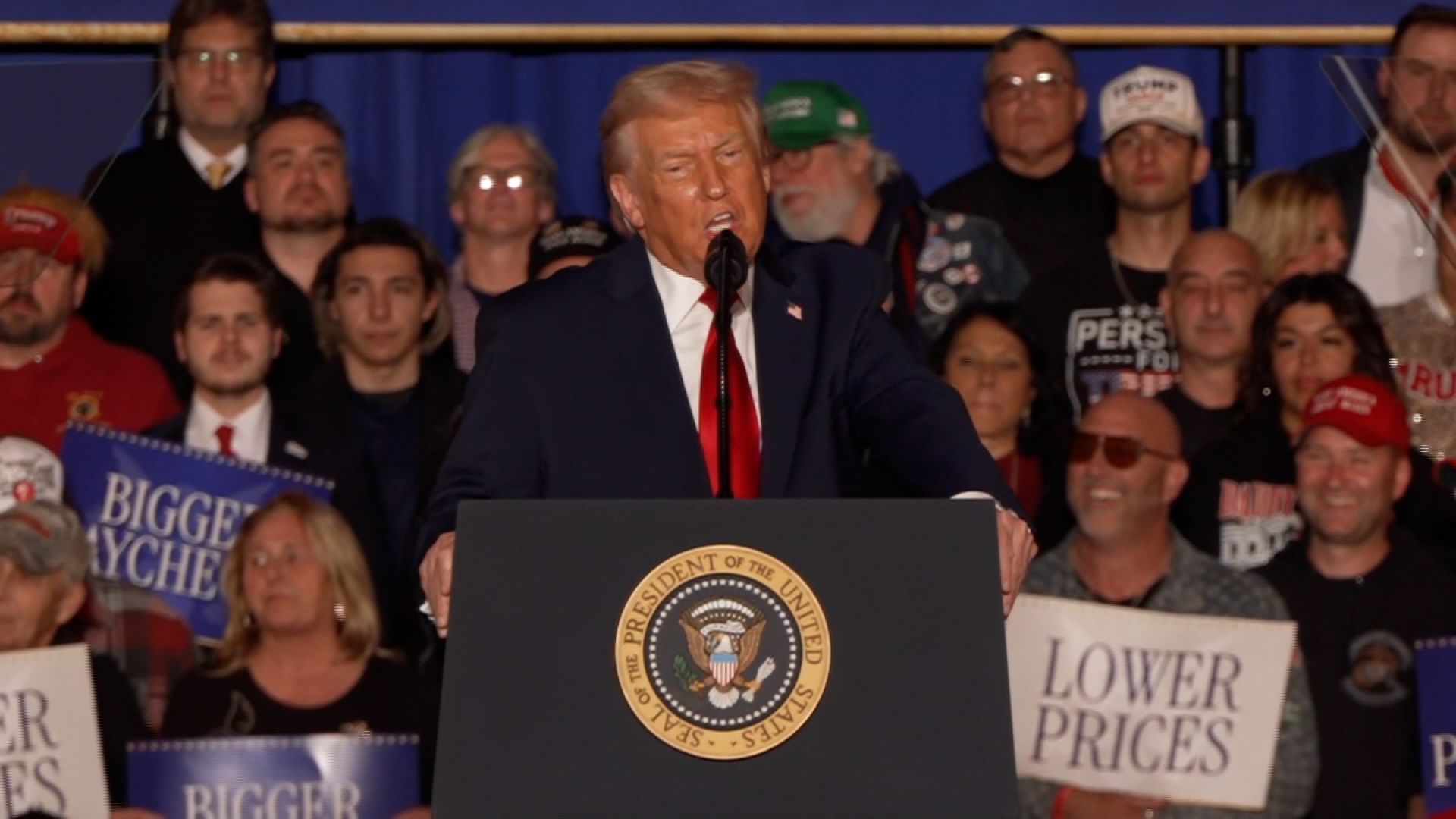
Strategic Military Deliberations:
President Donald Trump has convened his national security team at Camp David to evaluate potential retaliatory strikes against Iranian targets following a series of aggressive maneuvers in the Strait of Hormuz. Intelligence reports confirm that Islamic Revolutionary Guard Corps (IRGC) vessels intercepted and harassed international oil tankers, threatening the global energy supply chain. The U.S. administration is currently reviewing surgical military options that aim to degrade Iranian naval capabilities without escalating into a wider regional conflict that could destabilize the Middle East.
Escalating Regional Tensions:
The current friction stems from a long-standing pattern of maritime disruptions by Iranian forces attempting to leverage their strategic control over the Strait of Hormuz as a geopolitical bargaining tool. Previous diplomatic efforts to ensure freedom of navigation have consistently failed, leading to increased U.S. naval presence in the region and frequent skirmishes between maritime patrols. Tehran maintains that its actions are a response to Western economic sanctions and a defense of its territorial waters, while Washington characterizes these incidents as unlawful coercion against international shipping routes.
Implications for Global Markets:
The potential for a direct military strike has injected significant volatility into global crude oil prices, which directly impacts India's energy import costs and domestic fuel inflation. Indian policymakers are closely monitoring the situation, given that a significant portion of India's crude oil supply transits through the Strait of Hormuz daily. Any prolonged closure or increased security risk in this bottleneck would force regional buyers to seek alternative, costlier supply routes or face severe supply chain disruptions. India continues to advocate for de-escalation and diplomatic engagement to protect its energy security interests.
Pulse Intelligence
Context & ImpactContext & Background
- The Strait of Hormuz serves as a critical maritime chokepoint for nearly 20 percent of the world's total oil consumption.
- Tensions between Washington and Tehran have periodically flared over maritime security, sanctions, and regional proxy conflicts throughout the decade.
Key Consequences
- Potential military engagement could lead to a sharp, immediate surge in global crude oil prices affecting Indian markets.
- Increased risk of maritime insurance premiums for vessels operating in the Persian Gulf will likely drive up shipping costs.
- Strategic realignment of Indian energy procurement strategies may be required to hedge against long-term instability in the Middle East.
Market & Economic Impact
Rising geopolitical tensions in the Strait of Hormuz threaten to spike crude oil prices, negatively impacting the Indian rupee and energy-reliant sectors.
The Indus Pulse is committed to accuracy and transparency.