
August 4, 2026 at 04:18 AM 2 min readworldbreaking
25 US States Sue Trump Administration Over New Import Tariffs
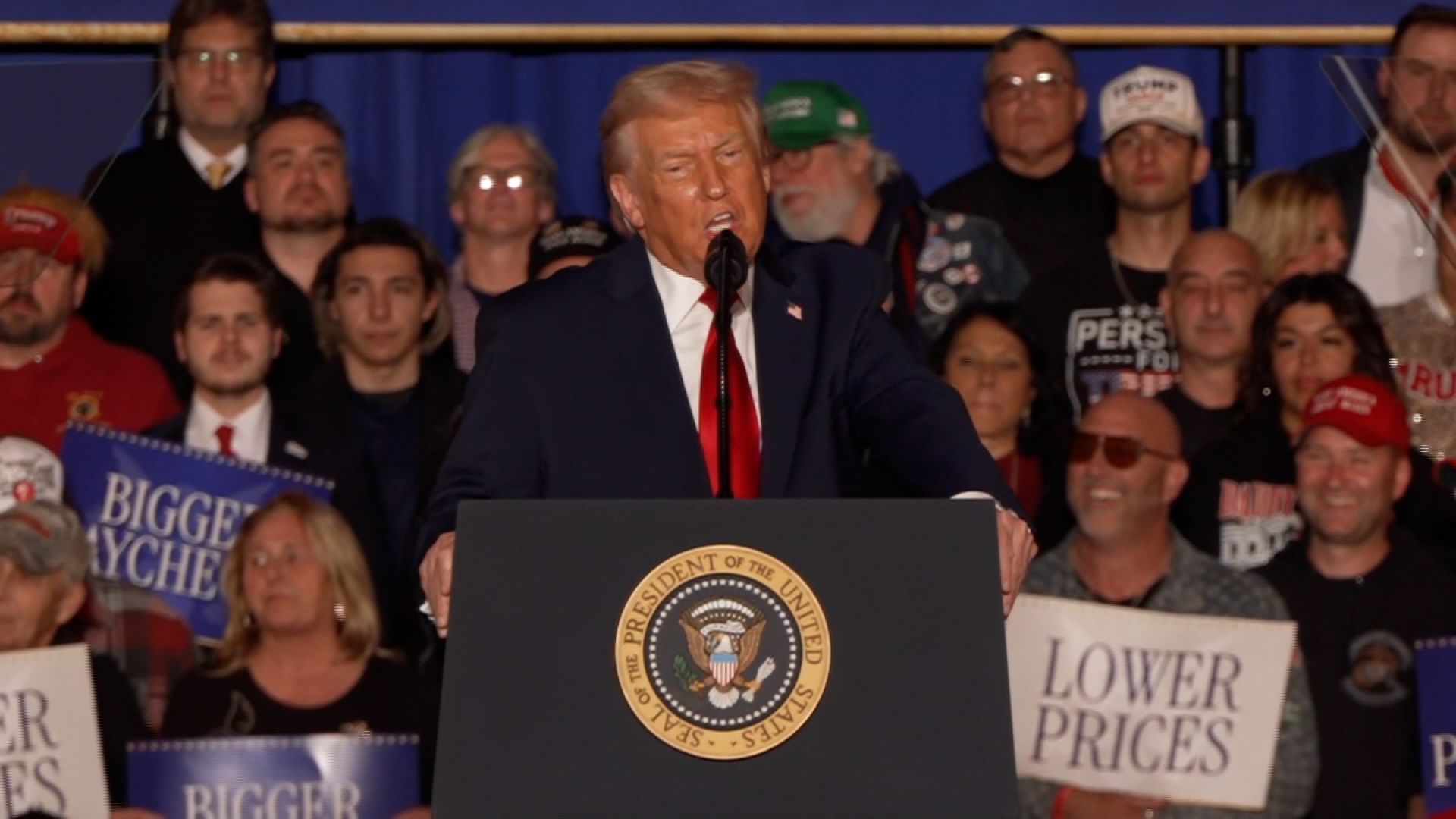
State-Led Legal Challenge:
A coalition of 25 U.S. states filed a lawsuit on August 3, 2026, in the U.S. Court of International Trade to challenge the Trump administration's recent import tariffs. The states argue that the new measures, which impose tariffs between 10% and 12.5% on imports from 59 countries and the European Union, represent an illegal attempt to circumvent a February Supreme Court ruling that struck down earlier trade measures. New York, California, and Oregon lead the legal action, claiming the tariffs constitute an unauthorized tax hike on American families.
Trade Policy Dispute:
The administration defends the tariffs under Section 301 of the Trade Act of 1974, asserting that the targeted nations have failed to address imports linked to forced labor. White House officials maintain that the policy remains a necessary tool to protect domestic commerce from unfair global practices. However, state attorneys general argue the investigation by the Office of the U.S. Trade Representative was fundamentally flawed and rushed, applying broad, uniform penalties without proper consideration of specific international labor practices.
Significance and Potential Fallout:
This legal battle marks the latest escalation in a series of trade-related disputes between state governments and the White House. The suing states are seeking a court order to halt the enforcement of these tariffs and secure refunds for businesses that have already paid duties. As the case moves through the court system, it remains a critical test of executive authority over international trade policy. Observers expect this litigation to set a significant precedent for how future trade disputes involving labor standards are addressed at the federal level.
Pulse Intelligence
Context & ImpactContext & Background
- In February 2026, the U.S. Supreme Court ruled that previous administration trade tariffs imposed under the IEEPA were unconstitutional.
- The Trump administration recently expanded tariffs to cover over 99% of U.S. imports in July 2026.
Key Consequences
- The U.S. Court of International Trade will review the legality of the administration's Section 301 tariff enforcement.
- Business groups and consumers face uncertainty regarding future import costs until a court ruling is issued.
- Legal proceedings will likely influence the administration's ongoing trade negotiations with European and global partners.
Market & Economic Impact
The trade litigation creates uncertainty for global supply chains, potentially impacting import costs for domestic manufacturers.
The Indus Pulse is committed to accuracy and transparency.