
July 29, 2026 at 05:19 AM 2 min readworlddeveloping
US Senate Advances Russia Sanctions Bill Threatening Tariffs on India
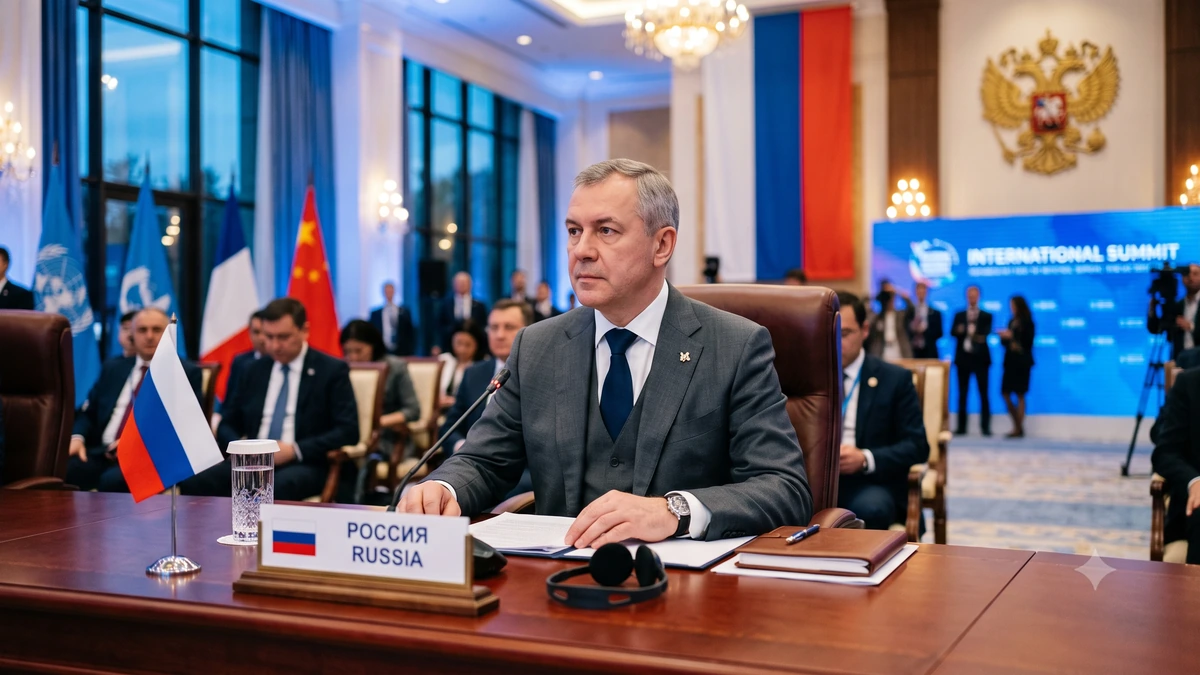
US Legislative Action on Russia:
The United States Senate has initiated a legislative push to impose severe secondary sanctions against nations that bypass the dollar-based financial system when trading with Russia. Spearheaded by Senator Lindsey Graham, the proposed framework targets the mechanism of non-dollar trade by mandating automatic 100% tariffs on goods imported into the United States from countries engaged in such transactions. This aggressive stance aims to tighten the enforcement of existing sanctions against Moscow, potentially ensnaring strategic partners like India who have maintained active trade relations with Russia following the 2022 escalation in Ukraine. The bill seeks to close perceived loopholes that allow the Russian economy to remain resilient despite international restrictions.
Drivers of the Legislative Policy:
The core rationale behind this development is Washington's growing alarm over the broader global trend of de-dollarisation. Lawmakers contend that facilitating non-dollar settlements undermines the effectiveness of US financial sanctions and weakens the geopolitical leverage afforded by the dollar as the primary reserve currency. By threatening high-tariff barriers, the US aims to compel nations to strictly adhere to its financial protocols or face direct economic consequences. This policy reflects a shift from soft diplomacy toward coercive economic measures, intended to isolate Russia by penalizing the intermediaries that facilitate its ongoing international commercial exchanges.
Implications for India and Global Trade:
India now faces a complex diplomatic and economic challenge as it balances its energy security needs with the threat of US trade retaliation. If enacted, these measures could force a fundamental rethink of current payment mechanisms used for Russian crude oil and defense procurement. The uncertainty surrounding these potential tariffs creates immediate friction in bilateral US-India economic ties, while Indian policymakers assess the feasibility of insulating domestic sectors from foreign secondary sanctions. Global observers remain cautious about the long-term impact on the stability of the international trading system, as this bill represents a significant escalation in the use of domestic economic tools to dictate global trade patterns.
Pulse Intelligence
Context & ImpactContext & Background
- The United States has consistently pressured allies to reduce their reliance on the Russian energy sector following the 2022 invasion of Ukraine.
- India has maintained a policy of strategic autonomy, continuing to purchase Russian oil and military hardware while managing relations with Western powers.
Key Consequences
- Indian firms may face significant cost increases if US tariffs are applied to imports, potentially disrupting supply chains.
- New Delhi will likely initiate high-level diplomatic outreach to Washington to seek exemptions or clarity regarding the bill's implementation.
- Emerging markets might face increased pressure to revert to dollar-based payments to avoid secondary sanctions from the US.
Market & Economic Impact
Potential volatility in the Rupee and Indian equities due to concerns over trade disruption and future US-India diplomatic tension.
The Indus Pulse is committed to accuracy and transparency.