
Ai Desk July 16, 2026 at 11:07 AM 2 min readaibreaking
US Midwest Grid Operator Issues Emergency Energy Alert
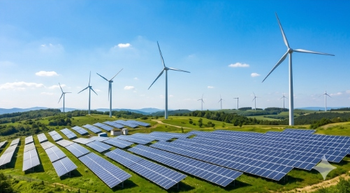
Midwest Energy Alert:
A major grid operator in the US Midwest has issued an emergency energy alert, signaling potential stress on the electrical infrastructure. The warning comes amid heightened demand on the regional power grid, requiring immediate measures to ensure system stability. Energy grid operators in the region are managing load balances to prevent disruptions, reflecting broader concerns about the reliability of power networks during periods of extreme weather or demand spikes.
Grid Reliability Context:
Such emergency alerts are designed to notify power plants and large-scale industrial consumers that additional capacity may be needed to maintain supply levels. The situation serves as a critical indicator for energy reliability, as regional operators weigh the impacts of aging infrastructure against the surging demands of modern digital workloads. These events are increasingly common as grid operators navigate the energy transition and the variable output of renewable sources.
Impact and Future Implications:
The stability of power grids in the United States has direct implications for global supply chains, including the continuity of operations for international tech companies. While the current alert focuses on the Midwest, it highlights the vulnerability of electrical infrastructure that powers data centers and heavy manufacturing plants. Continuous monitoring of grid data remains essential for energy planners aiming to modernize systems and mitigate the risks posed by supply-demand imbalances in the coming years.
Pulse Intelligence
Context & ImpactContext & Background
- Energy infrastructure in the US has faced mounting pressure due to increased demand and extreme weather events.
- Grid operators frequently use emergency alerts to solicit cooperation from large power users to maintain overall grid integrity.
Key Consequences
- Consumers and industrial entities may face voluntary power reductions to keep the regional grid stable.
- Future energy policy debates will likely focus on the urgency of infrastructure investment.
Market & Economic Impact
Potential volatility in regional energy pricing markets.