
World Desk July 18, 2026 at 08:34 AM 2 min readworlddeveloping
India Balances Global Energy Security Amid US Tariff Risks and Middle East Instability
Geopolitical Energy Pressures:
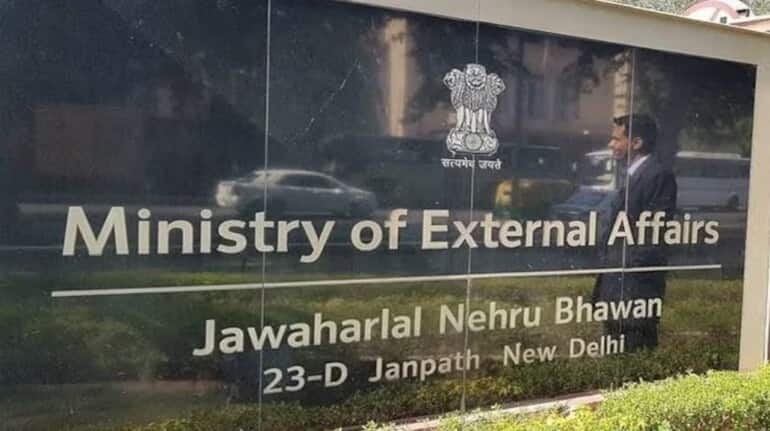
India is currently navigating a complex international landscape as it monitors potential US legislative threats and regional volatility. The Ministry of External Affairs is scrutinizing a proposed US bill that could impose a 100% tariff on nations importing oil from Russia. Simultaneously, the US has conducted airstrikes along the Iranian coast following maritime skirmishes. While these events create uncertainty, officials have confirmed that the Indian-operated terminal at Chabahar port remains secure. The government is actively managing diplomatic channels to ensure trade continuity and the safety of Indian expatriates in the affected regions.
Economic Policy Adjustments:
Domestic economic frameworks are also evolving to combat external pressures. India has recently updated its tax treaty with Sri Lanka, incorporating a Principal Purpose Test (PPT) effective from the 2027-2028 fiscal year. This measure is designed to curb treaty shopping and align bilateral agreements with global anti-abuse standards. These structural changes are essential to maintaining fiscal sovereignty. Meanwhile, the potential for new tolls in the Strait of Hormuz, where 20% of global petroleum passes, presents a major risk for increased crude prices and inflationary pressure on the Indian Rupee.
Future Strategic Outlook:
Policymakers are bracing for the long-term impact of these developments on India's current account deficit and retail fuel prices. While the Chabahar port maintains operational continuity, experts warn that insurance premiums for tankers in the Persian Gulf are likely to climb. The government remains focused on its dual strategy of securing affordable energy imports and hardening its regulatory infrastructure against international volatility. As geopolitical tensions persist, the state must continue its balancing act between maintaining vital trade routes and adhering to shifting international trade standards.
Pulse Intelligence
Context & ImpactContext & Background
- India has consistently defended its right to purchase discounted Russian oil as a necessary measure for domestic energy security.
- The Strait of Hormuz remains a critical global maritime chokepoint, facilitating the daily transit of approximately 20% of the world's petroleum.
- India secured a 10-year operational agreement for the Shahid Beheshti terminal at Chabahar port to facilitate trade routes to Central Asia.
Key Consequences
- The potential passage of the US tariff bill would force a significant recalibration of India's energy import strategy or intensified diplomatic outreach.
- Shipping insurance premiums for vessels operating in the Persian Gulf are expected to rise sharply, impacting maritime logistics costs.
- The implementation of the new India-Sri Lanka tax treaty will require multinational corporations to overhaul their regional business structures to meet stricter compliance requirements.
Market & Economic Impact
Rising geopolitical instability in the Middle East poses a direct risk of increased oil import costs and retail fuel price volatility for India.