
August 14, 2026 at 04:21 PM 2 min readworlddeveloping
US Warns Iran With Unprecedented Economic Isolation Threat
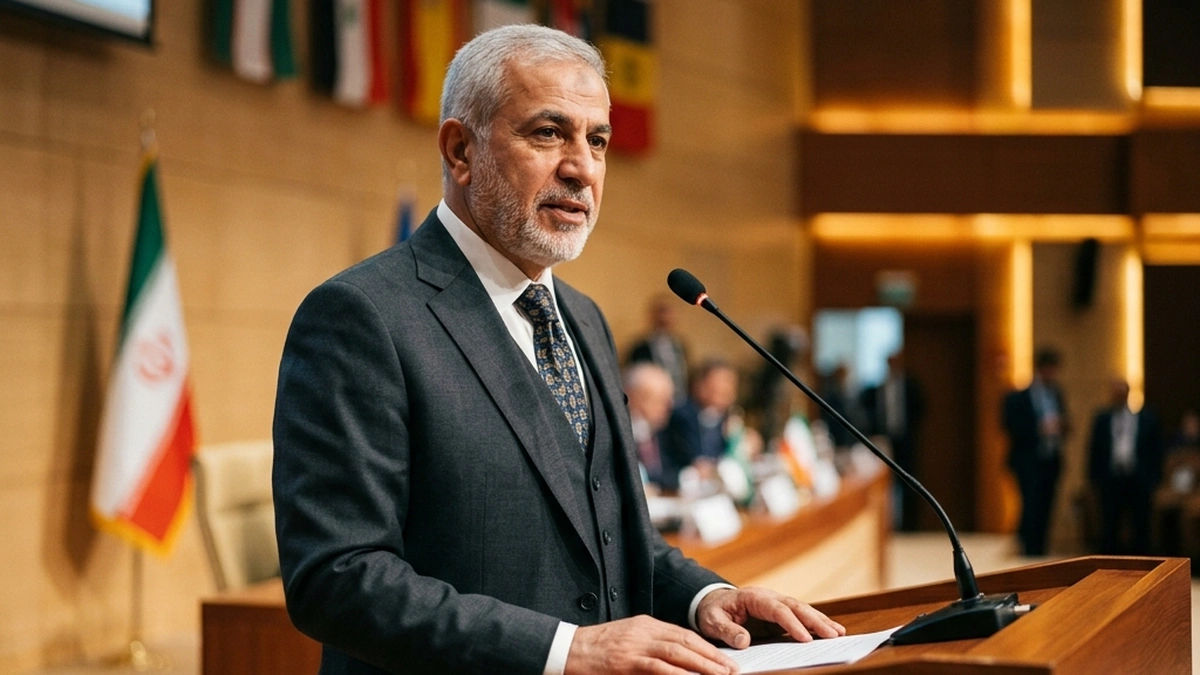
US Economic Isolation Strategy:
US Treasury Secretary Scott Bessent announced that Washington will impose unprecedented economic measures to isolate Iran completely from the global financial system. This development follows sustained regional instability and represents a significant escalation in diplomatic pressure aimed at curbing Tehran’s influence. The strategy focuses on crippling financial corridors that support national security interests, moving beyond traditional sanctions into a state of near-total systemic exclusion. This policy shift intends to force a direct change in Iranian security policies through relentless economic attrition, marking a pivot toward aggressive containment rather than diplomatic engagement.
Strategic Regional Context:
Tensions have surged following repeated escalations in the Persian Gulf and security threats directed at vital energy shipping lanes. The United States has maintained an indefinite naval blockade across the Strait of Hormuz, deploying the USS Abraham Lincoln carrier strike group to enforce regional maritime security. These measures respond to rising attacks on international vessels that have threatened global oil supplies. The US administration asserts that Iran’s regional maneuvers necessitate a robust naval presence combined with this extreme financial isolation, framing the response as a necessary defense of global commerce and free navigation in critical international waters.
Global and Indian Implications:
The escalating standoff creates significant uncertainty for energy security, particularly for India, which relies heavily on stable imports from the Middle East. Any prolonged disruption or blockade at the Strait of Hormuz could trigger volatility in crude oil prices, impacting domestic inflation and foreign exchange reserves. Indian policymakers remain in a delicate position as they balance strong diplomatic ties with both Washington and Tehran while securing energy supplies. Markets will watch for further announcements regarding secondary sanctions and maritime shipping safety, as a full-scale regional conflict would likely destabilize logistics for India’s crucial Western energy corridors for the foreseeable future.
Pulse Intelligence
Context & ImpactContext & Background
- Regional hostilities in the Persian Gulf have intensified over the past year, resulting in frequent disruptions to maritime traffic.
- The United States has consistently increased its military footprint in the region, focusing on the defense of key energy transit zones.
- Past rounds of sanctions against Iranian financial entities have yielded limited success in deterring regional military activities.
Key Consequences
- Global crude oil prices will likely remain volatile as the threat of an indefinite naval blockade persists.
- Increased US financial oversight could force international banks to limit dealings with Middle Eastern firms involved in transit.
- India may face higher logistics costs and insurance premiums for shipping vessels navigating the Strait of Hormuz.
Market & Economic Impact
Energy markets remain sensitive to supply threats, with any escalation in the Strait of Hormuz expected to drive up Brent crude prices and impact Nifty energy stocks.
The Indus Pulse is committed to accuracy and transparency.