
August 8, 2026 at 04:18 PM 2 min readworldanalysis
US Iran Conflict Strains Diplomacy Amid Stalled Peace Deal
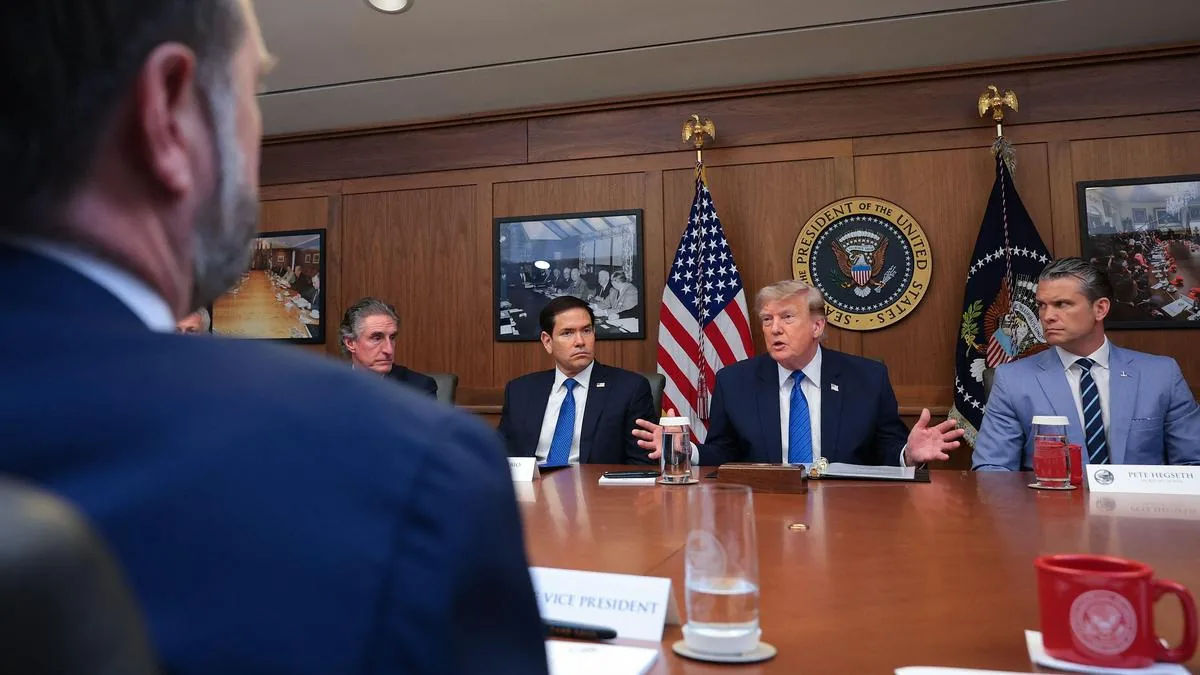
Persistent Conflict:
A recent analysis highlights the ongoing military confrontation between the United States and Iran, now entering its fifth month. The commentary asserts that the US remains deeply engaged in a conflict it has struggled to resolve, despite recent attempts at diplomatic intervention. US President Donald Trump announced that West Asian allies were nearing a perimeter for a potential deal following discussions with Saudi Crown Prince Mohammed bin Salman, though the analysis critiques the current diplomatic framework as ambiguous and inconsistent.
Diplomatic History:
The conflict originated on February 28, following a rapid escalation between the two nations. Although a temporary ceasefire was established on April 8, it proved fragile. A memorandum of understanding signed on June 17 initially signaled a move toward mutual sovereignty and nuclear program talks, which included Iran opening coastal routes for shipping. However, the fragile peace collapsed within a month, leading the US to resume military strikes in retaliation for Iran’s continued control over the Strait of Hormuz.
India Connection:
The situation holds relevance for India due to its economic reliance on stable maritime trade routes in the Strait of Hormuz, a critical artery for energy imports. Analysts have noted that historical patterns in military engagements, including past conflicts involving India, show a tendency for states to overlook adversary motivations or miscalculate the endurance of an opponent. The current US-Iran gridlock serves as a reminder of how shifting conditions and ill-timed diplomatic maneuvers can prolong regional instability, directly impacting international commercial waterways vital to India's energy security and regional trade interests.
Pulse Intelligence
Context & ImpactContext & Background
- The US and Iran began military hostilities on February 28, followed by a brief ceasefire on April 8.
- A June 17 memorandum of understanding failed to permanently end the conflict, with fighting resuming in July over maritime control.
Key Consequences
- Continued volatility in the Strait of Hormuz could impact global oil shipping lanes and India's energy costs.
- Prolonged diplomatic uncertainty may force further realignments in West Asian security partnerships.
Market & Economic Impact
Potential risk of rising oil prices due to threats to the Strait of Hormuz shipping corridor.
The Indus Pulse is committed to accuracy and transparency.