
World Desk July 20, 2026 at 04:33 AM 2 min readworlddeveloping
West Asia Conflict Escalates: US and Iran Trade Heavy Missile Strikes
Geopolitical Conflict Intensification:
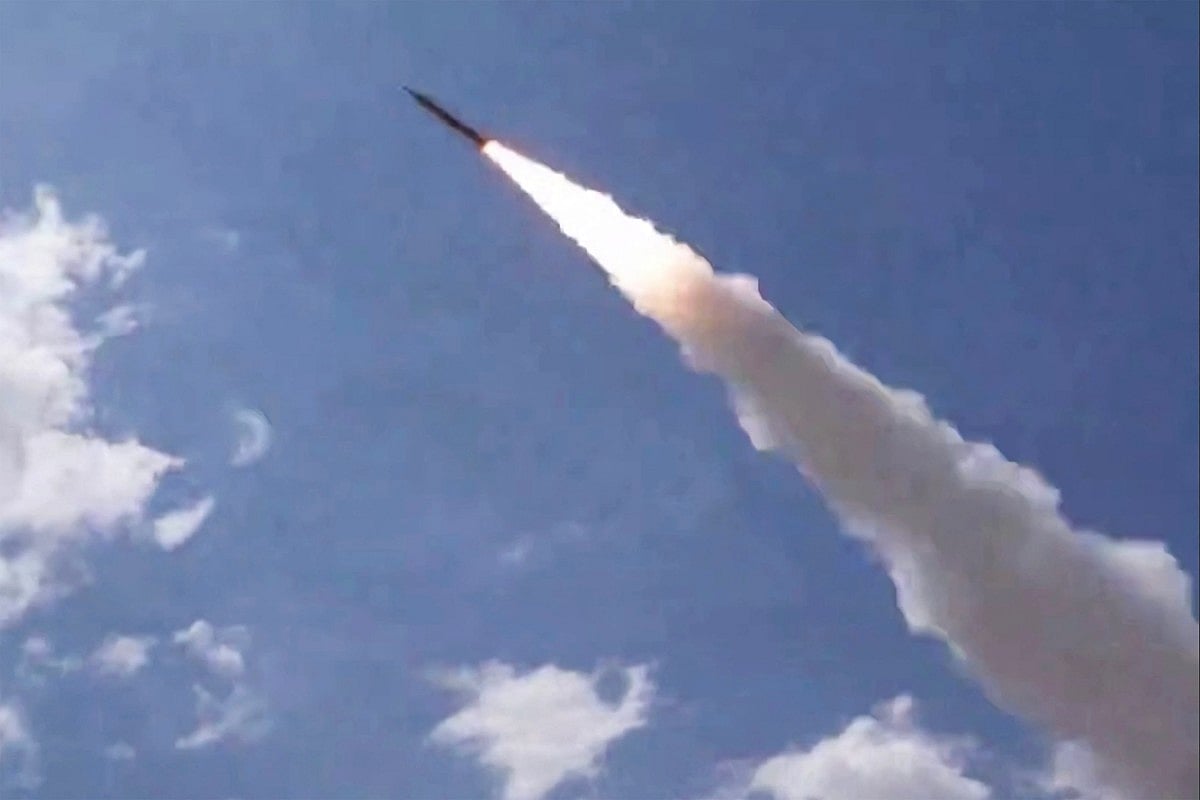
Iran has launched a coordinated series of ballistic missile strikes against critical infrastructure in Kuwait and Jordan, escalating regional hostilities significantly. The strikes reportedly targeted a major desalination facility in Kuwait and military logistics hubs within Jordan, triggering emergency response protocols. In response, United States military assets stationed in the region deployed defensive measures and executed counterstrikes against identified launch sites inside Iranian territory. The rapid exchange of fire marks a dangerous shift in the ongoing volatility across the Middle East, drawing in major powers and raising immediate concerns for global security and stability.
Escalation Drivers and Regional Background:
The recent aggression stems from mounting tensions surrounding shipping routes in the Strait of Hormuz and repeated disputes over nuclear monitoring compliance. Long-standing proxy conflicts and diplomatic stalemates have effectively removed traditional de-escalation channels, leaving direct military engagement as the primary medium for regional power posturing. Regional Arab states had previously attempted to maintain neutrality, but the direct impact of these strikes on essential civilian infrastructure has forced a re-evaluation of security alliances and defensive positioning. The integration of advanced ballistic technology in these assaults underscores a new level of military threat assessment for nations across the Arabian Peninsula.
Strategic Implications and India Relevance:
Israel’s leadership has issued a formal warning of a full-force response should the attacks continue, signaling the potential for a wider regional war. For India, this escalation poses a direct threat to energy security and the safety of the extensive diaspora residing in Gulf nations. Any prolonged disruption in the Strait of Hormuz will likely drive volatile fluctuations in crude oil prices, impacting domestic inflation and trade logistics. The Ministry of External Affairs is currently monitoring the situation to assess the necessity of contingency evacuation plans for Indian nationals caught within the conflict zone as military postures tighten across the region.
Pulse Intelligence
Context & ImpactContext & Background
- Rising tensions in the Persian Gulf have escalated following months of disputes over shipping safety and energy transit security.
- Previous diplomatic attempts to enforce regional non-aggression pacts have repeatedly stalled due to conflicting strategic objectives among major regional powers.
Key Consequences
- Immediate spikes in global energy prices are expected as markets price in the risk of supply chain disruptions in the Gulf.
- Increased military alert levels across US bases and allied nations in the Middle East suggest a high risk of continued regional skirmishes.
- Potential diplomatic strain for India as it navigates maintaining neutral trade relations while ensuring the safety of its citizens in affected territories.
Market & Economic Impact
Volatility in global crude oil prices is expected, with potential upward pressure on Indian fuel costs and domestic market indices.