
August 17, 2026 at 07:40 AM 2 min readworlddeveloping
US-Iran Ceasefire Nears Expiration Amid Strait of Hormuz Strains
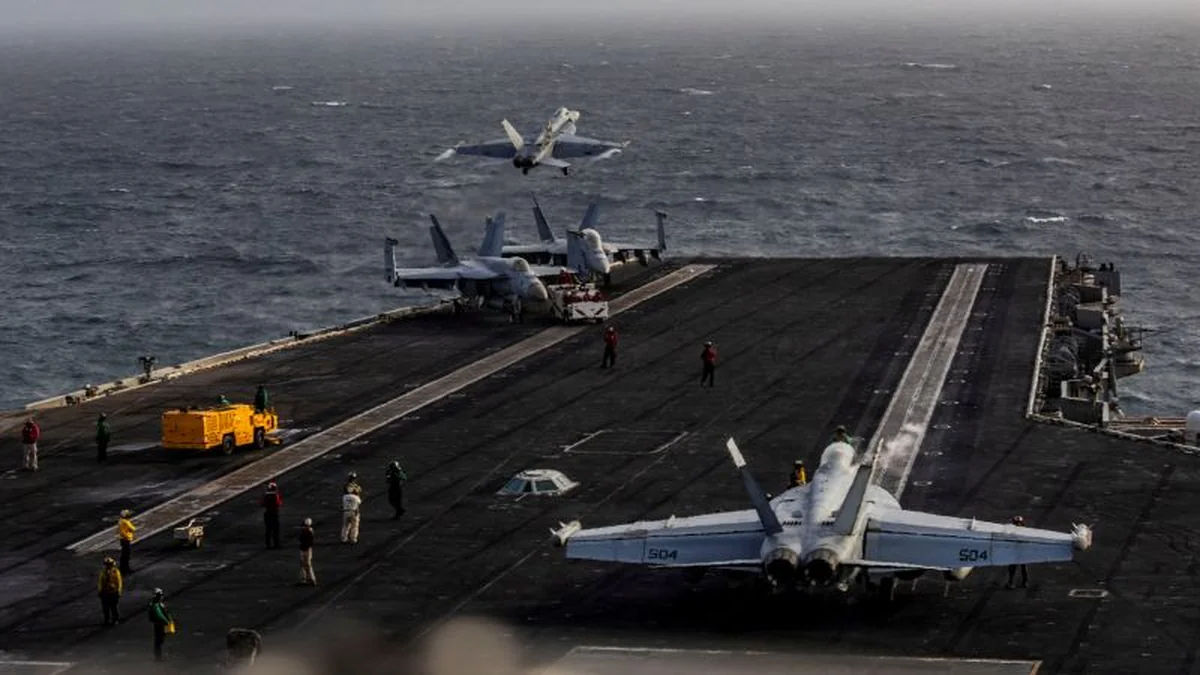
US-Iran Ceasefire Expiration:
The 60-day Memorandum of Understanding between the United States and Iran, brokered by Pakistan in June, approaches its scheduled expiration on Monday, August 17, 2026. The agreement aimed to halt hostilities, reopen the Strait of Hormuz, and lift the U.S. naval blockade. However, mutual accusations of terms violations have stalled discussions on a formal extension.
Escalating Regional Tensions:
Tensions deepened after Iran rejected President Donald Trump's suggestion to declare the Strait of Hormuz a U.S. territory, with Iranian Deputy Foreign Minister Kazem Gharibabadi asserting national control over the waterway. Concurrently, Jared Kushner engaged in Middle East diplomatic talks, meeting with Hamas leader Khalil al-Hayya in Egypt and holding discussions with Egyptian President Abdel Fattah el-Sisi regarding the Gaza peace plan.
Diplomatic and Military Fallout:
Foreign ministers from Jordan, the UAE, Pakistan, and other nations have collectively condemned Israel's rejection of the peace roadmap. Meanwhile, Iran is pursuing separate shipping agreements with Oman, and the ongoing naval disruptions in the vital oil chokepoint continue to drive significant volatility in global crude prices.
Pulse Intelligence
Context & ImpactContext & Background
- The 60-day ceasefire agreement was brokered by Pakistan in June 2026 to temporarily pause active hostilities and reopen the Strait of Hormuz.
- U.S. and Iranian officials have repeatedly exchanged accusations regarding the violation of the ceasefire terms prior to its August expiration.
Key Consequences
- Crude oil prices are expected to experience sharp fluctuations as shipping traffic through the Strait of Hormuz remains constrained.
- Regional diplomatic efforts led by U.S. envoys face mounting resistance following the rejection of key Gaza peace roadmap elements.
Market & Economic Impact
Crude oil prices rose sharply due to the heightened risk of extended shipping disruptions in the Strait of Hormuz.
The Indus Pulse is committed to accuracy and transparency.