
World Desk July 15, 2026 at 08:31 AM 2 min readworldbreaking
US House Votes To Make Daylight Saving Time Permanent
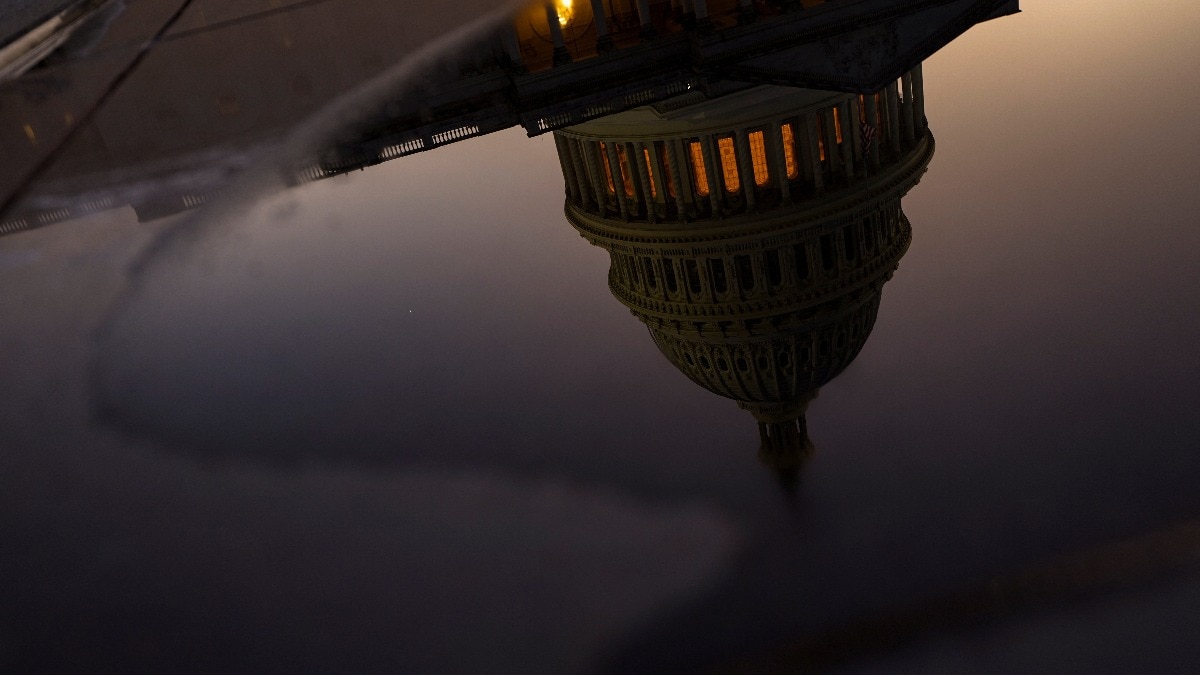
Legislative Milestone for Time Reform:
The US House of Representatives passed the Sunshine Protection Act on Tuesday, voting 308-117 to make daylight saving time permanent across the United States. This bipartisan legislation aims to eliminate the century-old practice of adjusting clocks forward in March and backward in November. Republican Representative Vern Buchanan, who introduced the bill, argued that the biennial shift disrupts daily schedules and public health for no logical reason. The move follows long-standing public frustration with the transition, which proponents claim will lead to more afternoon daylight and reduced energy consumption.
Bipartisan Support and Opposition:
The bill received significant backing from across the political spectrum, with President Donald Trump repeatedly advocating for an end to "ridiculous" clock changes. During the final vote count, Republican Scott DesJarlais even played The Beatles' "Here Comes the Sun" in the chamber to celebrate the development. However, critics, including some sleep experts and road safety advocates, warn that permanent daylight saving time will result in darker winter mornings. They argue this could increase traffic hazards during early commutes and negatively impact human circadian rhythms by delaying morning light exposure.
Implications for India and Global Partners:
While India maintains a single time zone (Indian Standard Time) and does not practice clock changes, this US policy shift carries operational consequences for India's massive IT and BPO sectors. A permanent shift would stabilize the time difference between Indian cities and US hubs, ending the semi-annual adjustment of work shifts and meeting schedules. Furthermore, global financial markets in Mumbai will no longer need to recalibrate their opening-bell synchronization with Wall Street twice a year. The legislation now moves to the Senate, where a similar version of the bill is currently pending.
Pulse Intelligence
Context & ImpactContext & Background
- The US first implemented daylight saving time during World War One to conserve fuel and electricity, standardizing the practice nationally in 1966.
- The Sunshine Protection Act was reintroduced in January 2025 by Florida lawmakers, gaining momentum following President Trump's public endorsement.
Key Consequences
- If the Senate passes the bill, Americans will no longer shift their clocks in November, resulting in later sunrises during winter months.
- Industries like retail and outdoor recreation are expected to see a revenue boost from extended evening daylight throughout the year.
Market & Economic Impact
The policy will simplify operational logistics for Indian IT and global financial services by providing a consistent year-round time offset between IST and US time zones.