
July 29, 2026 at 02:35 AM 2 min readworldbreaking
US Forces Intercept Iranian Missiles in Regional Escalation
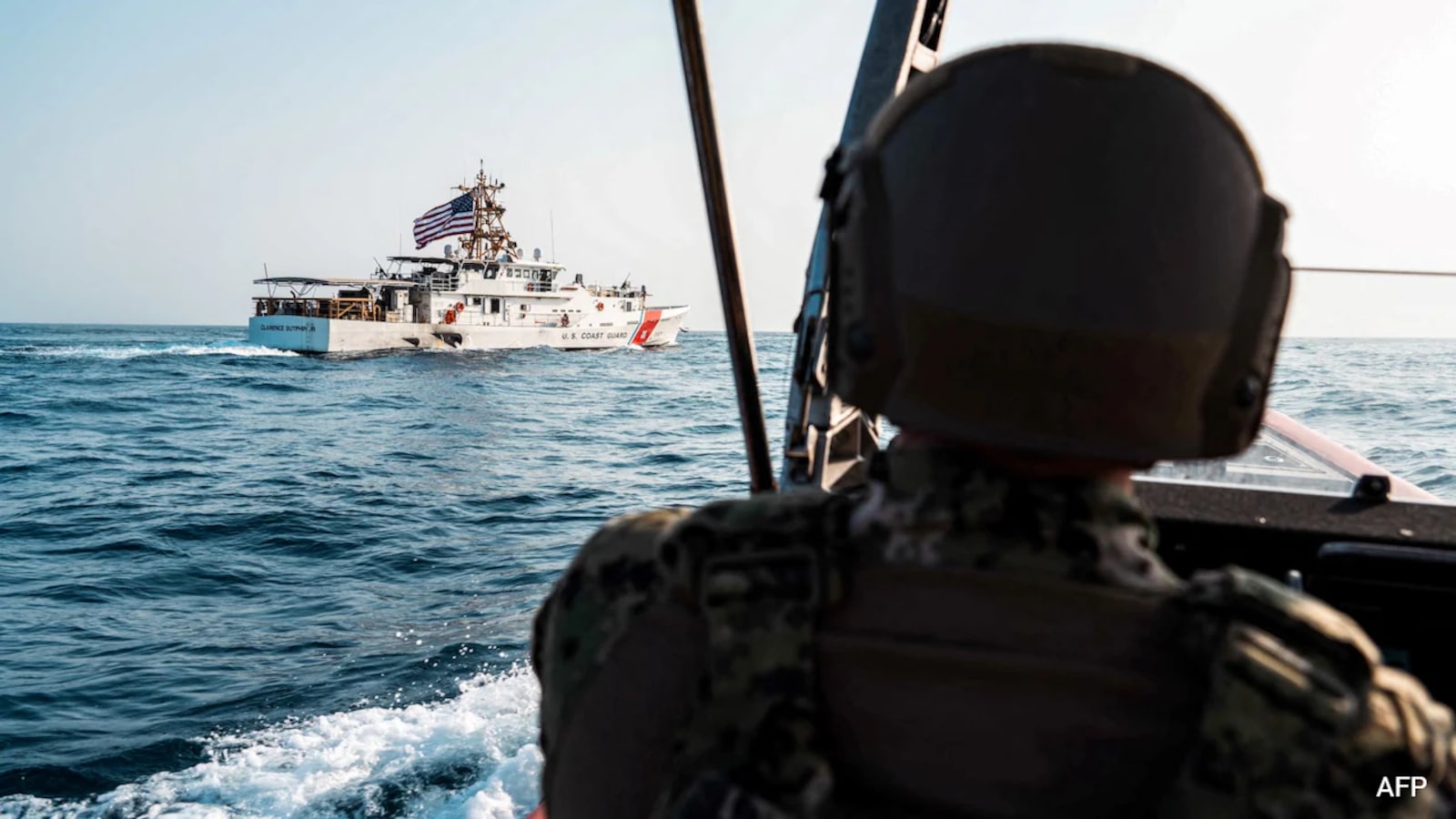
Missile Attack and Interception:
U.S. forces successfully intercepted multiple ballistic missiles launched by Iran at American military assets in the Middle East on Tuesday, July 28, 2026. U.S. Central Command described the incident as an attempted surprise attack orchestrated by the Iranian Revolutionary Guard. This aggressive move shattered a brief period of relative calm, during which mediators were attempting to facilitate negotiations to achieve a ceasefire between the parties involved in the regional conflict.
Retaliatory Strikes and Regional Tensions:
The missile launch followed approximately 72 hours of intense aerial drone attacks conducted by Iran-aligned forces in the region. In a rapid response, U.S. and Saudi Arabian military forces engaged in joint strikes on Tuesday against Iran-linked targets in Iraq. The broader conflict has escalated significantly since February 2026, primarily centered on controlling access to the Strait of Hormuz, which remains a critical maritime passage for global oil supply chains and energy stability.
Geopolitical Implications for India:
While the conflict is localized in the Middle East, the continued volatility poses a direct risk to India's energy security and regional trade routes. As a significant importer of energy, India faces potential oil price fluctuations and shipping delays, which could impact domestic inflationary pressures and economic stability. Israeli Defense Minister Israel Katz confirmed that American assets utilized Israeli bases during the operations, highlighting the deep integration of military efforts. U.S. forces remain in a high state of vigilance as the international community monitors the situation for further escalation.
Pulse Intelligence
Context & ImpactContext & Background
- The war between the United States and Israel with Iran and its regional allies has been ongoing since February 28, 2026.
- Tensions have intensified significantly over control of the Strait of Hormuz, a critical global waterway.
Key Consequences
- Ongoing fighting in the Middle East could lead to increased volatility in global oil prices and shipping logistics.
- The continued reliance on regional military bases suggests a deepening of the conflict involving multiple regional powers.
- The escalation threatens to stall any potential diplomatic breakthroughs or ceasefire negotiations between the U.S. and Iran.
Market & Economic Impact
Oil price volatility is expected due to the conflict's focus on the Strait of Hormuz.
The Indus Pulse is committed to accuracy and transparency.