
August 9, 2026 at 09:07 AM 2 min readindiadeveloping
UPI Transactions Remain Free for Consumers, Government Clarifies
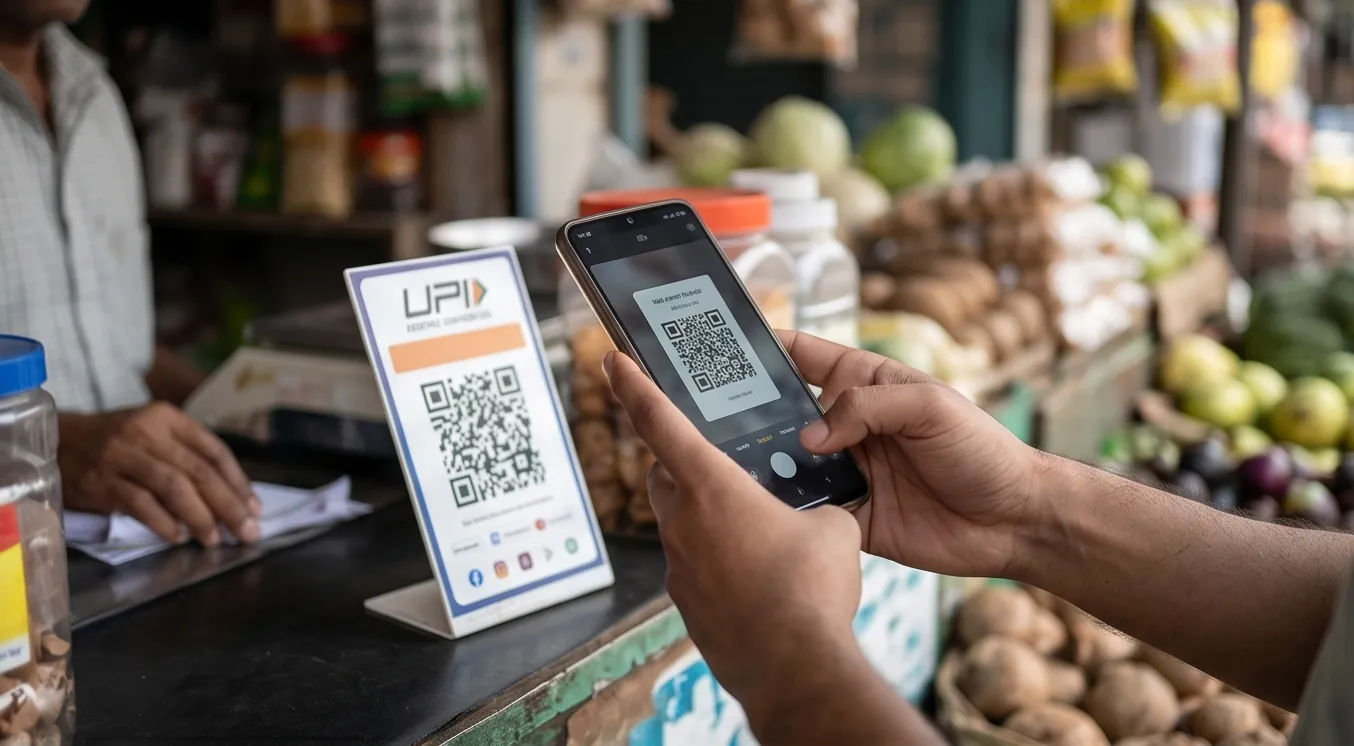
Government Policy Clarification:
The Indian government has formally clarified that Unified Payments Interface (UPI) transactions will continue to remain free of charge for consumers and small merchants. This confirmation follows widespread speculation regarding potential charges on digital payments. The Payment Council of India (PCI) and government officials have reiterated their commitment to maintaining the zero-cost structure to ensure the continued rapid adoption of digital payment systems across the nation. The government emphasizes that this policy remains a cornerstone of the national digital economy strategy.
Fee Structure Explained:
While consumer transactions remain free, officials have suggested that a nominal Merchant Discount Rate (MDR) may apply only to select, high-value merchant payments. This distinction aims to balance the financial sustainability of the payment ecosystem with the government's push for financial inclusion. By protecting small merchants and individual users from fees, the policy continues to prioritize high-volume, low-value retail transactions. The clarity provided by the government seeks to end confusion surrounding various industry reports about potential shifts in the payment fee architecture.
National Economic Impact:
The stability of the UPI framework is critical to India's fiscal strategy, as digital payments now account for a substantial share of daily commerce. This decision ensures that small businesses and street-level retailers, who are the primary drivers of UPI usage, are not burdened by transaction costs. The government’s move is expected to bolster confidence among users and maintain the momentum of the digital payment revolution. Market analysts view the maintenance of free services as a major victory for financial inclusion, ensuring that India remains a global leader in real-time digital payment volume.
Pulse Intelligence
Context & ImpactContext & Background
- UPI has become the primary mode of digital retail payments in India over the past decade.
- There has been persistent industry debate about the sustainability of zero-cost digital payments.
Key Consequences
- Small businesses will likely continue to transition rapidly toward digital payments without fear of hidden fees.
- The government may introduce specific, regulated fee structures for high-value corporate transactions in the future.
Market & Economic Impact
This policy ensures stability for fintech companies and retail businesses, maintaining high volumes of digital transactions.
The Indus Pulse is committed to accuracy and transparency.