
31 Aug 2026, 07:21 AM 2 min readindiaanalysis
UPI at Ten: Digital Payments Surge as Sustainability Debates Grow
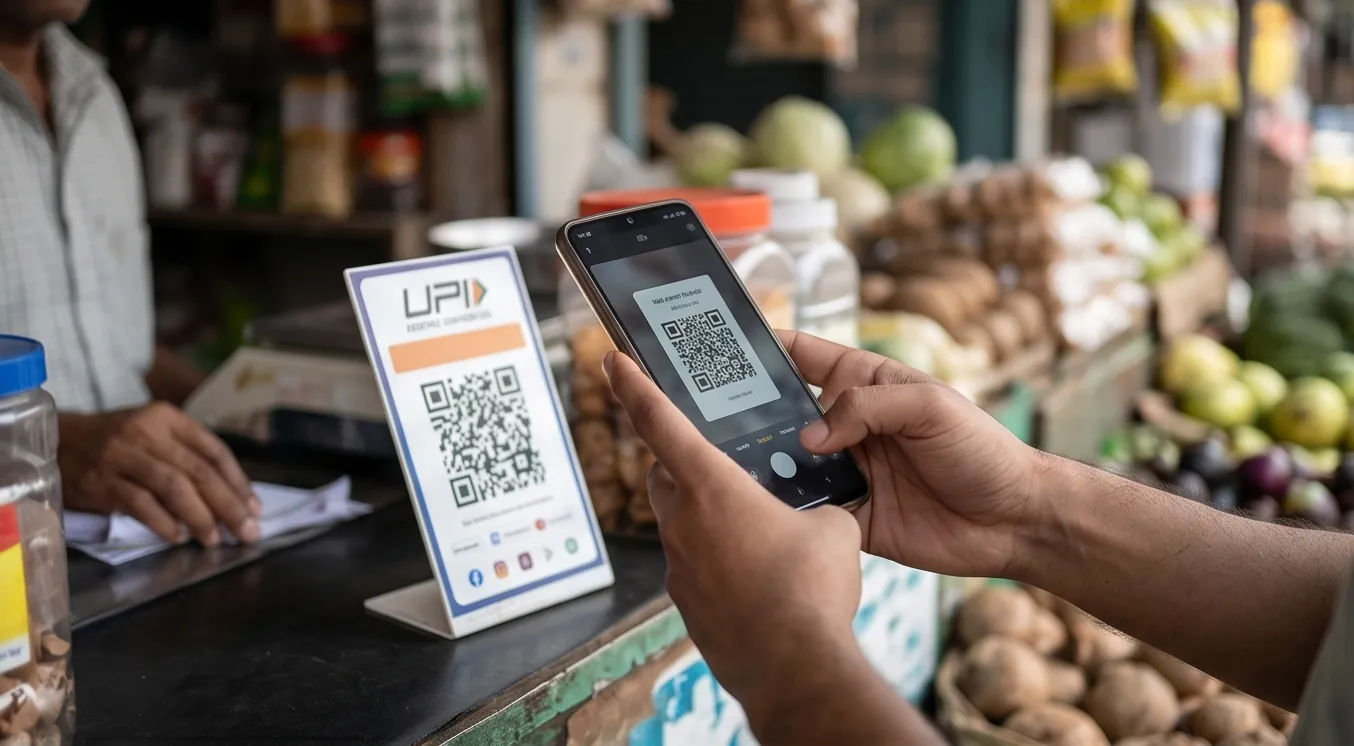
Digital Payment Growth:
India’s Unified Payments Interface (UPI) has reached a significant milestone, marking ten years since its inception and continuing to reshape the nation's financial landscape. Data from July shows digital merchant payments surging by 19.6% to reach ₹11.73 lakh crore, cementing UPI's dominance over traditional payment instruments like debit and credit cards. This massive adoption highlights the platform's role in digitizing the informal economy.
Financial Sustainability Questions:
Despite this monumental success, the ecosystem faces increasing scrutiny regarding its economic sustainability and revenue leakage. Analysts and industry observers are now debating the necessity for the system to start paying for itself, as the current free-to-use model strains the fiscal and operational bandwidth of participating institutions. The platform’s rapid growth has yet to translate into direct profitability for stakeholders, leading to calls for policy shifts to protect tax revenues.
Infrastructure and Operational Strain:
Broader systemic issues extend to other public utilities, where local bodies struggle with fiscal discipline. In a separate development, local gram panchayats and urban local bodies currently owe the Mangalore Electricity Supply Company (Mescom) a substantial ₹305.84 crore for power supply. These payment delays negatively impact the utility's ability to maintain critical infrastructure, mirroring the broader challenges in balancing public utility models with the necessity of achieving long-term financial self-sufficiency across India's essential service sectors.
Pulse Intelligence
Context & ImpactContext & Background
- The Unified Payments Interface (UPI) was launched in 2016 as a mobile-first digital payment system to promote financial inclusion.
- A memorandum of understanding for defense cooperation was signed between India and Kuwait in December 2024 to diversify military procurement.
Key Consequences
- Policy discussions regarding the introduction of transaction fees or tiered pricing for high-volume UPI users may intensify.
- Public utility providers may implement stricter collection drives for government bodies to address mounting arrears.
- Financial regulators could introduce new frameworks to ensure payment system providers remain solvent without solely relying on state subsidies.
Market & Economic Impact
Continued dominance of UPI could further erode fee-based revenue streams for traditional banks, pressuring their net interest margins.
The Indus Pulse is committed to accuracy and transparency.