
August 12, 2026 at 03:01 AM 2 min readmarketsFinancial InsightAI Insights
Understanding the Impact of SEBI's New Municipal Debt Disclosure Rules
The regulator extended reporting deadlines to 60 and 90 days to ease compliance for local bodies.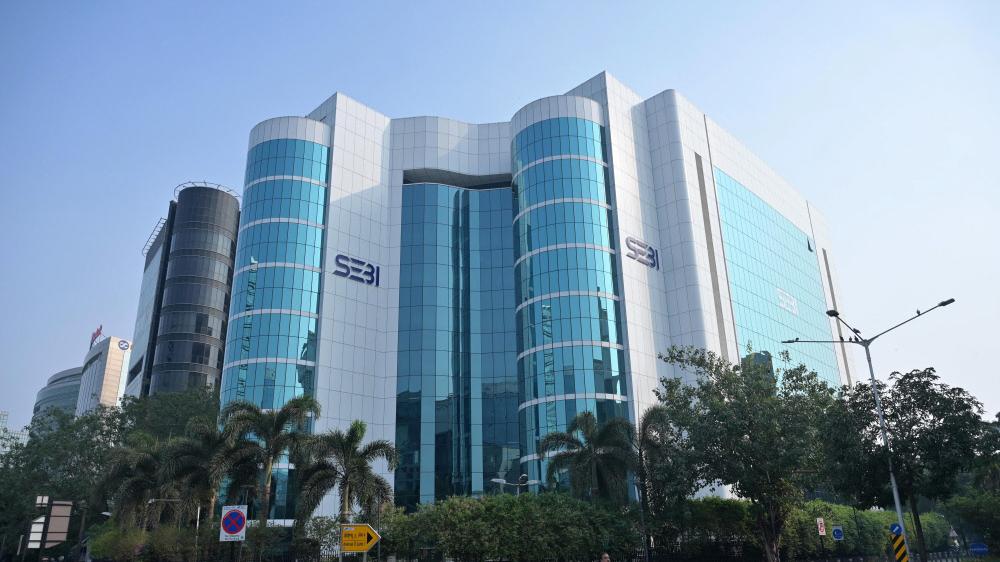
[Regulatory Shift]:
The Securities and Exchange Board of India (SEBI) has recently relaxed the timelines for municipalities with listed debt securities to submit their financial results. Under the revised framework, the deadline for half-yearly unaudited results has been extended to 60 days, while annual audited results now have a 90-day window. This adjustment aims to provide municipal bodies with more operational flexibility.
[The Rationale]:
Municipalities often face unique administrative challenges that differ significantly from corporate entities. By extending these timelines, SEBI acknowledges the complexities involved in municipal accounting and reporting. This move is designed to encourage more municipal bodies to tap into the debt markets for infrastructure funding, as the previous, tighter deadlines were seen as a potential barrier to entry for many local government bodies.
[Broader Market Insight]:
While this relaxation eases the compliance burden, it also necessitates a higher degree of transparency and accountability from municipal issuers. For investors, the extended reporting window means that financial data will be less frequent, potentially impacting the speed at which market participants can assess the creditworthiness of these bonds. The long-term success of this policy will depend on whether it effectively balances the need for issuer convenience with the investor's requirement for timely and accurate financial information.
Pulse Intelligence
Context & ImpactContext & Background
- Municipal bonds are an emerging asset class in India, aimed at funding urban infrastructure projects.
- SEBI has been actively working to streamline the regulatory framework for debt securities.
- Previous reporting timelines were set at 45 days for half-yearly and 60 days for annual results.
Key Consequences
- More municipal bodies may consider listing debt securities due to the reduced compliance burden.
- Investors may need to adjust their credit analysis models to account for the longer reporting intervals.
- The move could lead to a more vibrant municipal bond market, supporting urban development initiatives.
Market & Economic Impact
The policy change is expected to improve the supply of municipal debt instruments in the market.
The Indus Pulse is committed to accuracy and transparency.