
August 2, 2026 at 04:49 AM 2 min readtechanalysis
TSMC Challenges Intel Dominance With Advanced Chip Packaging Tech
Competitive Technology Shift:
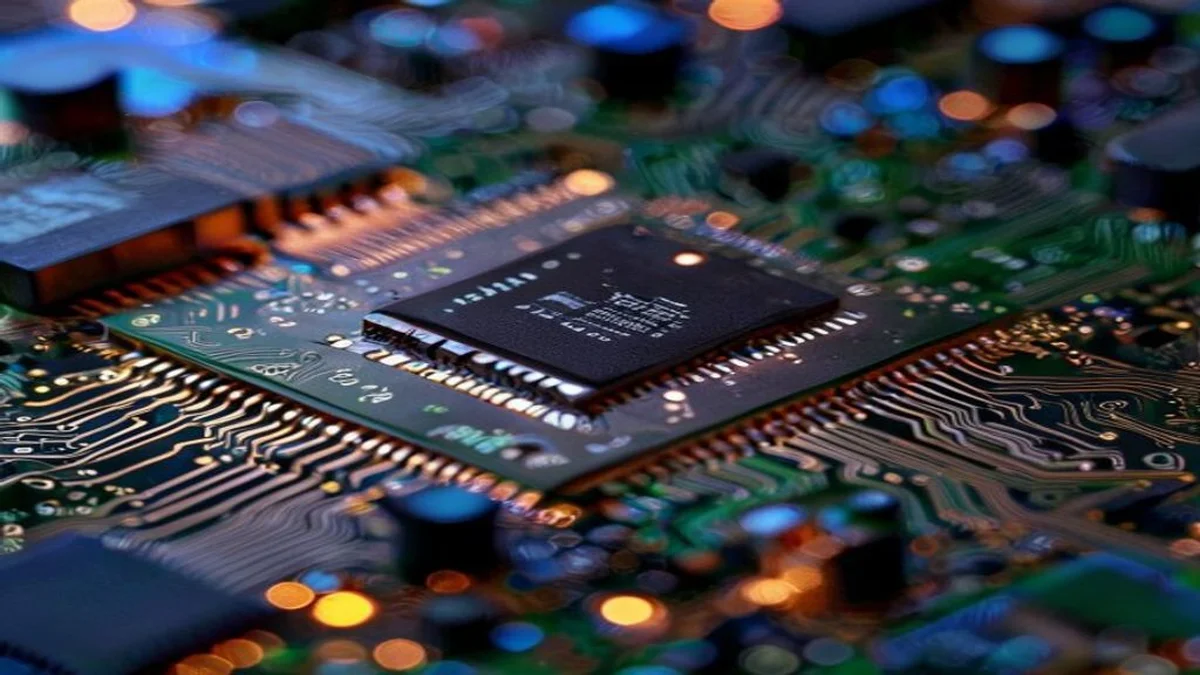
TSMC is reportedly developing a new form of advanced chip packaging technology designed to directly compete with Intel’s Embedded Multi-die Interconnect Bridge (EMIB). This development marks a strategic shift for the Taiwanese giant, which has traditionally led in wafer fabrication but faced stiff competition from Intel in high-end packaging. The new technology aims to allow multiple chips to be connected more efficiently on a single substrate, a critical requirement for the high-performance processors used in artificial intelligence and data centers.
The Race for AI Supremacy:
The move comes as both TSMC and Intel scramble to secure their positions as the primary manufacturers for AI giants like Nvidia and AMD. Advanced packaging has become the new frontline in the semiconductor war because shrinking transistors alone is no longer enough to meet the massive power demands of modern AI models. Intel has recently expanded its own packaging capacity, marketing its EMIB and Foveros technologies as a key advantage. Reports indicate that Nvidia is currently evaluating Intel’s technology for its future processors, forcing TSMC to accelerate its own research and development to prevent losing market share.
India’s Semiconductor Ambitions:
While this is a global battle, the implications for India are significant as the country attempts to build its own semiconductor ecosystem. India’s semiconductor mission relies heavily on partnerships with global leaders for both fabrication and ATMP (Assembly, Testing, Marking, and Packaging) facilities. As TSMC and Intel innovate, the cost of advanced packaging may decrease, potentially making it more feasible for Indian units to eventually adopt these high-end processes. Furthermore, the competition ensures a more diverse supply chain for Indian tech firms that rely on AI hardware for local digital infrastructure.
Pulse Intelligence
Context & ImpactContext & Background
- For years, the focus of chipmaking was on 'nodes' (like 3nm or 5nm), but 'packaging'—how chips are connected—is now the primary bottleneck for AI performance.
- Intel has pivoted toward becoming a foundry for other companies, using its packaging expertise as a major selling point to attract TSMC’s traditional customers.
Key Consequences
- The competition will likely lead to a faster rollout of more powerful AI chips for cloud service providers and consumer electronics.
- TSMC may need to increase its capital expenditure (Capex) to build new specialized packaging facilities in Taiwan or the US.
Market & Economic Impact
Intensifying competition may compress margins for high-end packaging services but will benefit AI chip designers like Nvidia and AMD.
The Indus Pulse is committed to accuracy and transparency.