
World Desk July 14, 2026 at 06:32 PM 2 min readworldbreaking
Trump Reverses Hormuz Transit Levy, Tightens Iran Naval Blockade
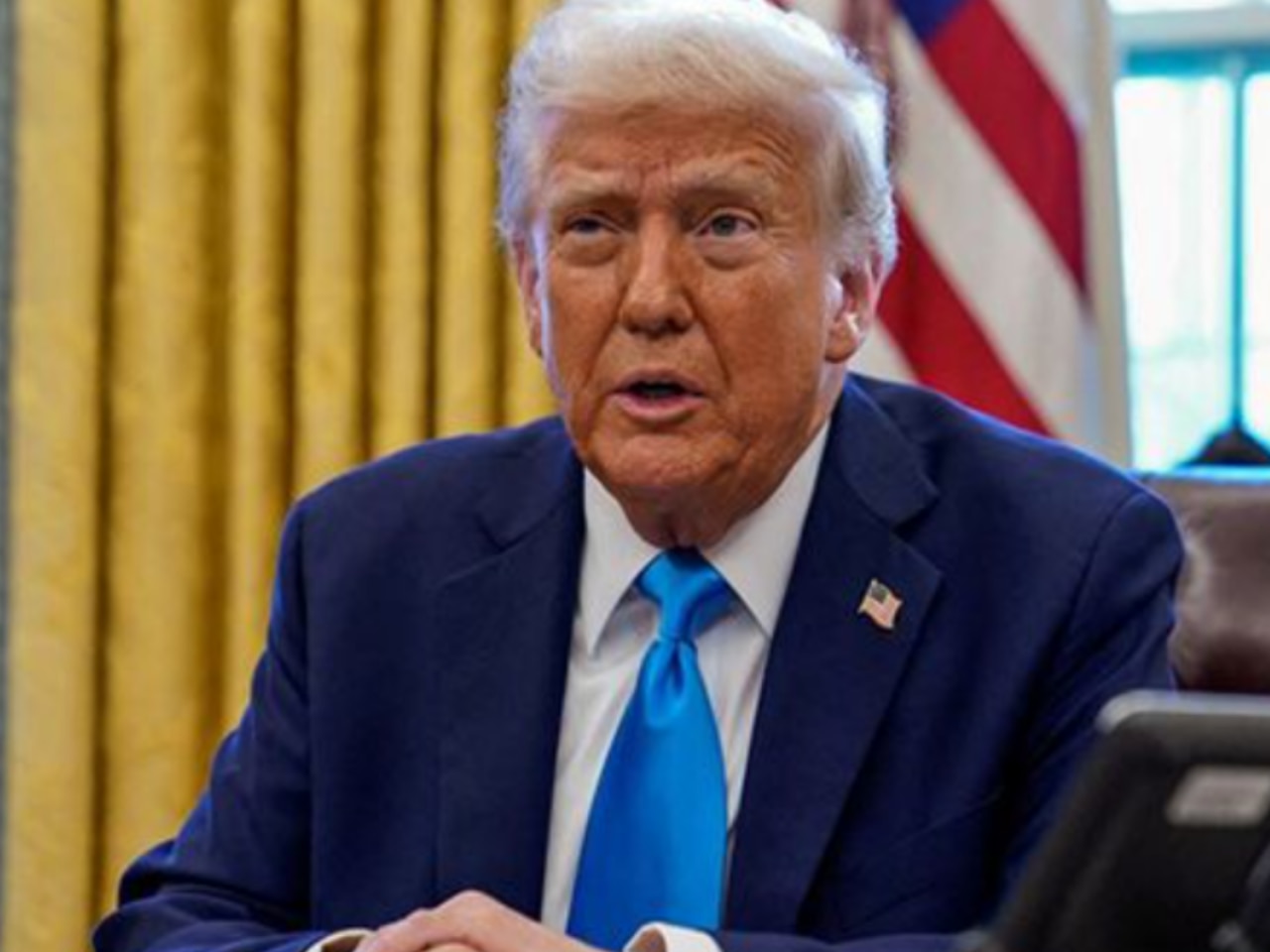
Hormuz Transit Fee Reversal:
U.S. President Donald Trump has officially rescinded his proposal for a 20% cargo transit levy on vessels passing through the Strait of Hormuz. The administration announced on July 14, 2026, that this fee is now being replaced by a series of new Trade and Investment Deals with regional Gulf States. President Trump cited productive discussions with Middle Eastern leaders as the primary driver for this shift in strategy, marking a sharp departure from his initial policy announcement made just one day earlier.
Escalated Naval Blockade:
Despite the removal of the transit fee, the United States continues to enforce a comprehensive blockade on all commercial shipping transiting to or from Iranian ports. U.S. Central Command confirmed that the naval restriction remains active as of mid-July 2026, effectively barring Iran from utilizing the strategic waterway for maritime commerce. This military action follows a period of heightened regional tension and direct conflict, including a recent strike on two tankers that resulted in the death of an Indian crew member.
Global Security Implications:
The situation remains highly precarious, with the United Nations warning of severe humanitarian and economic consequences if the Strait remains partially shuttered. As one-fifth of global oil trade traverses this narrow chokepoint, the ongoing U.S.-Iran hostilities threaten to disrupt global energy supply chains further. Market observers are closely monitoring the impact on oil prices and maritime logistics as the U.S. military persists in its operations against Iranian-linked vessels while attempting to secure trade stability with broader regional allies.
Pulse Intelligence
Context & ImpactContext & Background
- A previous interim deal in June 2026 failed to sustain a lasting peace, leading to the current breakdown in hostilities.
- The Strait of Hormuz serves as a vital global artery, with approximately 20% of the world's total oil supply passing through the region.
- U.S. forces have conducted repeated military strikes, including the first combat deployment of sea drones, against Iranian naval infrastructure.
Key Consequences
- Global energy markets remain volatile, with Brent crude prices reacting sharply to daily developments in the Gulf maritime corridor.
- Shipping firms face increased operational risks and potential insurance premium hikes as the U.S. blockade continues to target Iranian-bound vessels.
- Diplomatic pressure from international bodies, including the United Nations, is expected to intensify to prevent further regional escalation.
Market & Economic Impact
Global oil prices continue to experience high volatility, with Brent crude reaching one-month highs near $87 a barrel amid maritime supply concerns.