
18 Aug 2026, 03:06 PM 2 min readworldbreaking
Trump Claims Kim Jong Un Responded to Dialogue Request
Diplomatic Engagement Claims:
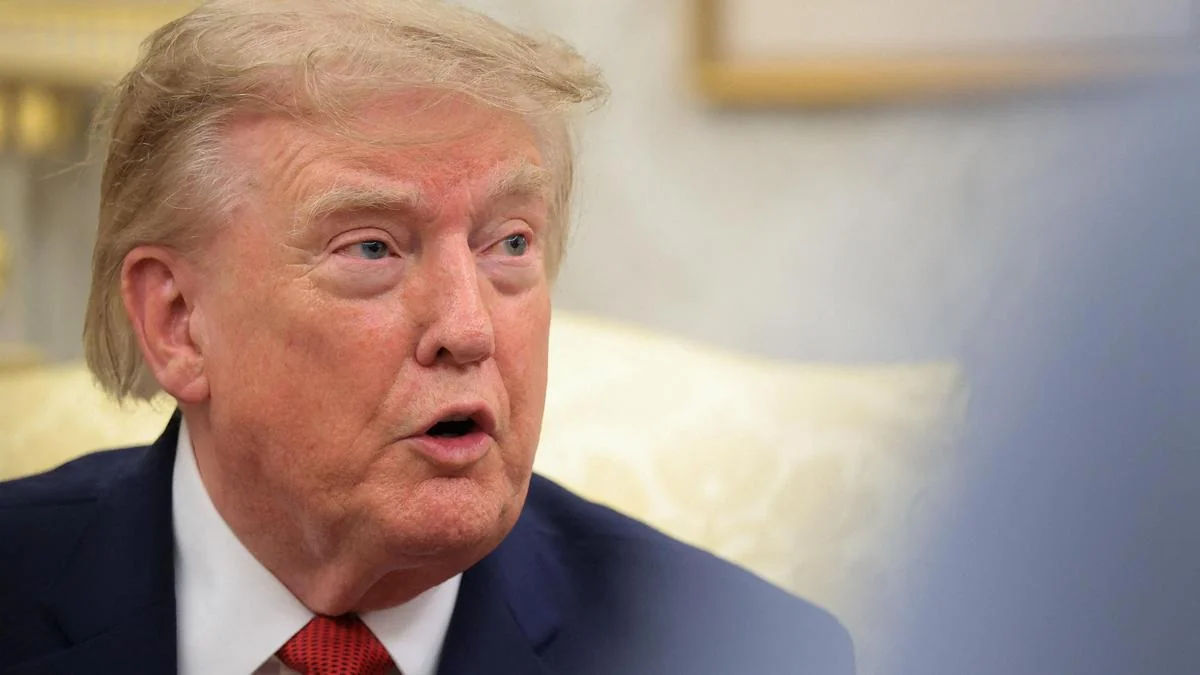
Former U.S. President Donald Trump has publicly stated that North Korean leader Kim Jong Un responded to his overtures for renewed dialogue. Trump attributed this development to the recent decision to scale back joint military exercises between the United States and South Korea. These claims emerge as the international community monitors potential shifts in security dynamics within the East Asian region. Officials from the involved governments have not yet provided formal verification of the nature or content of these supposed communications between the two leaders.
Regional Security Background:
The relationship between Washington and Pyongyang experienced multiple phases of volatility throughout the previous decade, marked by varying levels of direct communication and periodic escalation. Previous attempts at denuclearization talks often stalled due to disagreements regarding sanctions relief and the extent of military transparency required on the Korean Peninsula. By reducing the frequency and scope of troop exercises, proponents argue that the U.S. aims to lower tensions and encourage North Korea to return to the negotiating table without preconditions.
Strategic Implications for India:
Analysts suggest that any movement toward a thawing of relations on the Korean Peninsula holds significant weight for India’s strategic outlook in Asia. A stabilized North-East Asian theatre allows for a more focused diplomatic approach toward maintaining regional order and countering broader threats to global supply chains. For India, which maintains a nuanced diplomatic stance with North Korea, these developments are crucial as New Delhi prioritizes the stability of the Indo-Pacific. Future progress depends heavily on the sincerity of these high-level interactions and the willingness of both parties to commit to verifiable security guarantees.
Pulse Intelligence
Context & ImpactContext & Background
- The U.S. and South Korea historically maintained consistent annual military drills to ensure operational readiness against northern threats.
- Previous summits between the Trump administration and Kim Jong Un during the 2018-2019 period failed to produce a lasting denuclearization agreement.
Key Consequences
- Regional powers will increase surveillance to verify if any tangible shifts in North Korean missile testing or nuclear policy occur.
- South Korean leadership may face internal domestic pressure to clarify the extent of ongoing defense cooperation with the United States.
- Diplomatic observers will watch for official statements from the U.S. Department of State to confirm or debunk the status of these talks.
Market & Economic Impact
No direct market impact.
The Indus Pulse is committed to accuracy and transparency.