
August 7, 2026 at 12:35 AM 2 min readworlddeveloping
Trump Predicts Imminent Conclusion to Iran Conflict Amid Munition Worries
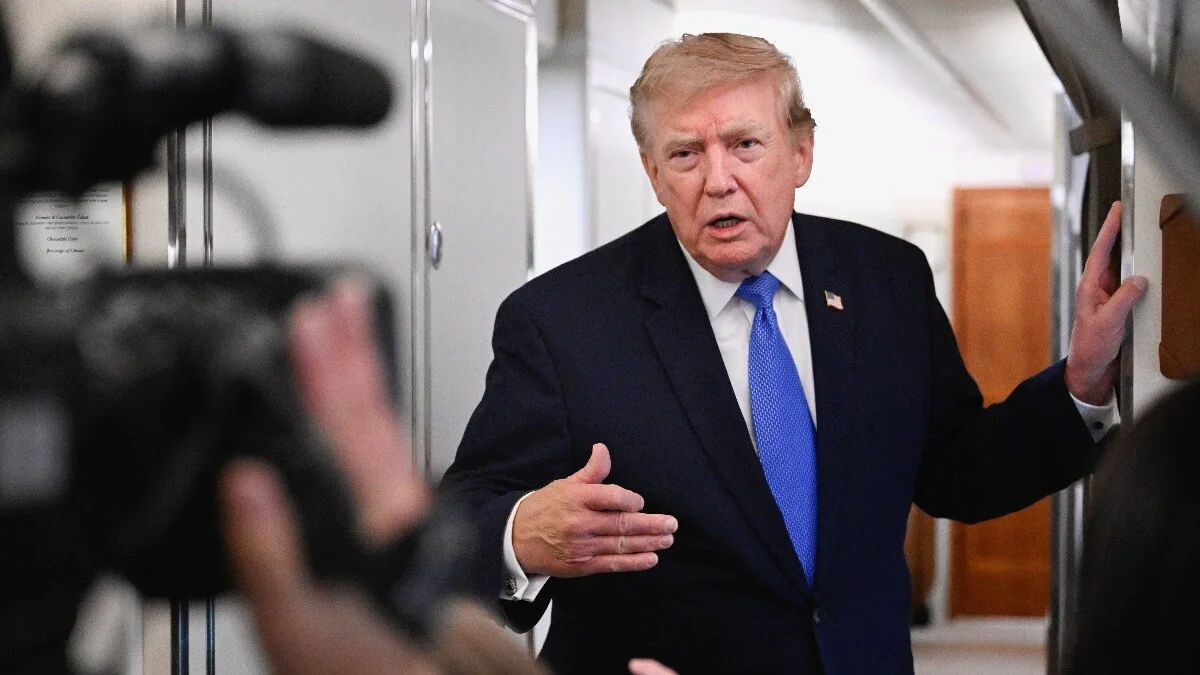
Trump's Outlook on Iran Conflict:
President Donald Trump expressed optimism on August 7, 2026, that the military conflict with Iran will end shortly. This statement follows months of escalating hostilities that began in February 2026, involving significant reciprocal strikes. The conflict has raised domestic concerns about the long-term sustainability of U.S. military operations, especially as reports suggest the U.S. is facing challenges related to dwindling stockpiles of precision-guided munitions.
Munitions Depletion and Operational Challenges:
Multiple reports suggest the U.S. has depleted significant portions of its inventory of advanced weapons, including ATACMS, PrSM, and air-defense systems like Patriot and THAAD. Estimates from the Center for Strategic and International Studies (CSIS) indicate that replenishing these supplies could take years, contradicting claims from the White House that stockpiles remain sufficient. President Trump has publicly dismissed these reports, even as his administration navigates the complexities of a war that many analysts characterize as lacking an obvious exit strategy.
Negotiations and Strategic Uncertainty:
Amidst the ongoing military engagement, indirect talks involving Oman have emerged regarding the future of the Strait of Hormuz, which Iran reportedly blocked early in the conflict. While Tehran denies holding direct negotiations with Washington, the possibility of a deal that could grant Iran control over ship traffic in the strait remains a major point of contention. As Iranian leadership maintains a defiant stance, with acting officials warning of a decisive response to threats, the U.S. administration faces mounting pressure to secure a diplomatic resolution that satisfies strategic interests without further exacerbating regional volatility.
Pulse Intelligence
Context & ImpactContext & Background
- The military campaign began in February 2026 following joint U.S. and Israeli strikes that reportedly resulted in the death of Supreme Leader Ali Khamenei.
- Iran reportedly blocked the Strait of Hormuz shortly after the conflict's inception in early 2026.
Key Consequences
- The U.S. may face strategic limitations in future military operations due to depleted precision munition stockpiles.
- Potential diplomatic agreements regarding the Strait of Hormuz could fundamentally alter regional trade and shipping security.
- Continued internal leadership instability in Iran may complicate long-term diplomatic negotiations.
Market & Economic Impact
Oil price volatility is expected due to the uncertainty surrounding transit through the Strait of Hormuz.
The Indus Pulse is committed to accuracy and transparency.