
July 28, 2026 at 06:21 PM 2 min readworlddeveloping
Trump Faces Strategic Two-Front Challenge Amid High-Stakes Diplomacy
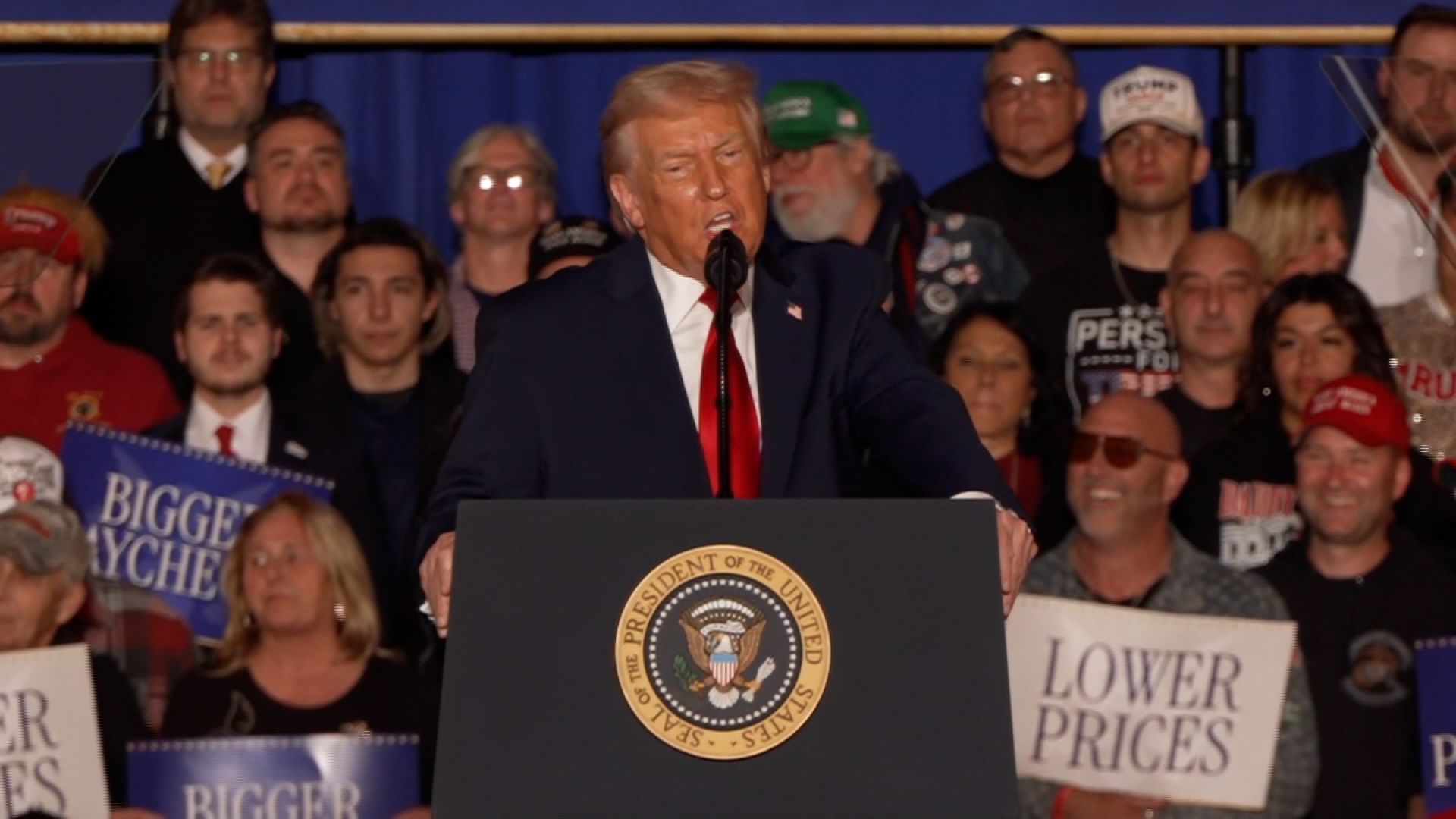
Diplomatic Convergence in Washington:
Donald Trump finds himself managing a complex geopolitical intersection as Ukrainian President Volodymyr Zelenskyy and Israeli Prime Minister Benjamin Netanyahu arrive in Washington for high-stakes discussions. These meetings occur against a volatile backdrop, with analysts drawing parallels to the fragile global conditions of 1914. Trump's engagement with both leaders centers on conflicting regional crises, requiring him to navigate the ongoing war in Ukraine and the escalating conflict in the Middle East involving Iran.
Escalation Risks and Intelligence:
The urgency surrounding the Netanyahu meetings reflects shared intelligence concerns regarding Iran, with reports suggesting that the Israeli leader views further military action as an inescapable necessity. These consultations occur after a period of cooling relations, as Trump has expressed frustration regarding the management of the Iran conflict. Simultaneously, the focus remains on the broader instability emanating from the conflict, which complicates domestic policy agendas and forces a re-evaluation of current international alliances.
Geopolitical Significance for India:
These developments directly impact India by potentially shifting the focus of its strategic partners toward fragmented regional conflicts. India maintains a delicate balance in its relations with Israel and Ukraine, and any intensification of these wars could destabilize energy prices and supply chains vital to the Indian economy. New Delhi is closely monitoring the situation to assess potential shifts in United States foreign policy that might affect its standing in the Middle East and its ongoing defense cooperation with global powers.
Pulse Intelligence
Context & ImpactContext & Background
- President Volodymyr Zelenskyy and Prime Minister Benjamin Netanyahu are visiting the United States for critical meetings with Donald Trump.
- Recent reports indicate mounting tensions between the Trump team and Israeli officials regarding the duration and strategy of current regional hostilities.
Key Consequences
- Increased diplomatic volatility may lead to rapid shifts in United States foreign policy commitments.
- Ongoing regional conflicts could trigger renewed instability in global energy markets and security architecture.
- India must navigate potential pressure to align more closely with specific factions as global polarization grows.
Market & Economic Impact
Heightened geopolitical risk may trigger volatility in crude oil prices, negatively impacting India's import-heavy energy sector.
The Indus Pulse is committed to accuracy and transparency.