
July 25, 2026 at 04:18 PM 2 min readworlddeveloping
Trump Declares US Military 'Locked And Loaded' Over Iran Crisis
Military Posture and Diplomacy:
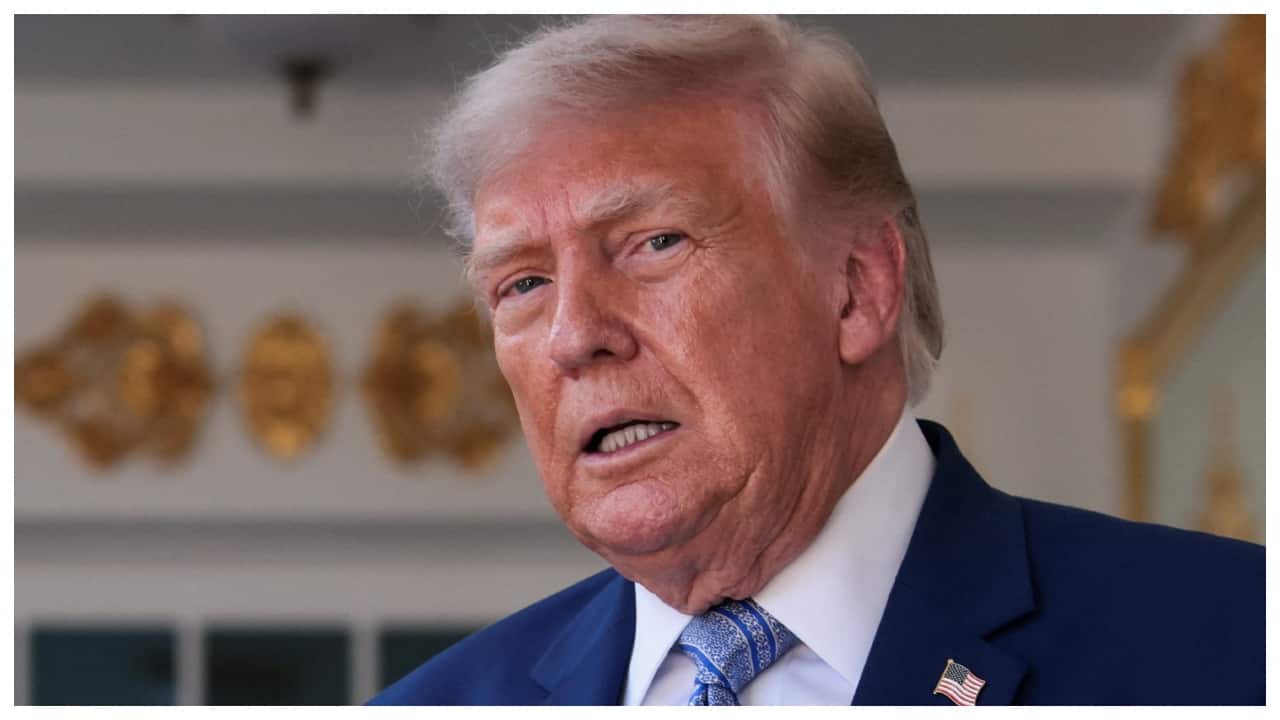
President Donald Trump has stated that the United States remains prepared for military action against Iran while emphasizing that diplomacy continues to be the preferred path forward. Addressing a White House event on nuclear energy, the president remarked that Tehran appears more serious in ongoing negotiations than in previous efforts. Despite this, he maintained a firm stance that Iran must not acquire a nuclear weapon and warned of severe consequences if the nation continues its pursuit. High-level discussions are currently involving key administration officials, including Vice President JD Vance and Secretary of State Marco Rubio.
Hostilities and Shipping Disruption:
The current tensions follow a two-week period of military strikes that have disrupted a temporary peace arrangement established in mid-June 2026. The U.S. Central Command had previously conducted 13 consecutive nights of strikes aimed at protecting commercial shipping in the Strait of Hormuz. Following these actions, Iran reported drone strikes on US military facilities in Bahrain, Jordan, and Kuwait, while also claiming to have destroyed radar systems in Oman. These events have significantly impacted international shipping traffic and contributed to increased crude oil price volatility in global markets.
Future Outlook and Economic Stakes:
The collapse of the June 2026 memorandum of understanding has brought the situation to a critical juncture. With approximately $2 billion in Iranian funds currently blocked under US sanctions, the economic pressure remains a central factor in the ongoing negotiations. For India, the instability in the Strait of Hormuz poses direct risks to energy security and maritime trade routes. Observers are watching for any concrete diplomatic breakthroughs that could stabilize the region, although both sides remain locked in a high-stakes standoff that balances the threat of expanded military engagement with the potential for a negotiated outcome.
Pulse Intelligence
Context & ImpactContext & Background
- A memorandum of understanding signed in mid-June 2026 between the US and Iran, aimed at reopening the Strait of Hormuz, has collapsed.
- US Central Command previously executed 13 consecutive nights of strikes to secure commercial shipping lanes in the Gulf.
Key Consequences
- Persistent instability in the Strait of Hormuz is likely to drive crude oil price fluctuations, directly impacting India's fuel import costs.
- Escalating hostilities could lead to broader regional conflict involving multiple nations across the Middle East.
- Diplomatic efforts are currently the only potential mechanism to prevent further military escalation between the US and Iranian forces.
Market & Economic Impact
The ongoing threat to shipping through the Strait of Hormuz is causing significant volatility in global crude oil prices, which directly impacts India’s trade balance and energy costs.
The Indus Pulse is committed to accuracy and transparency.