
August 14, 2026 at 05:22 AM 2 min readworlddeveloping
Trump Assassination Plots: US Intel Disputes Israeli Warning
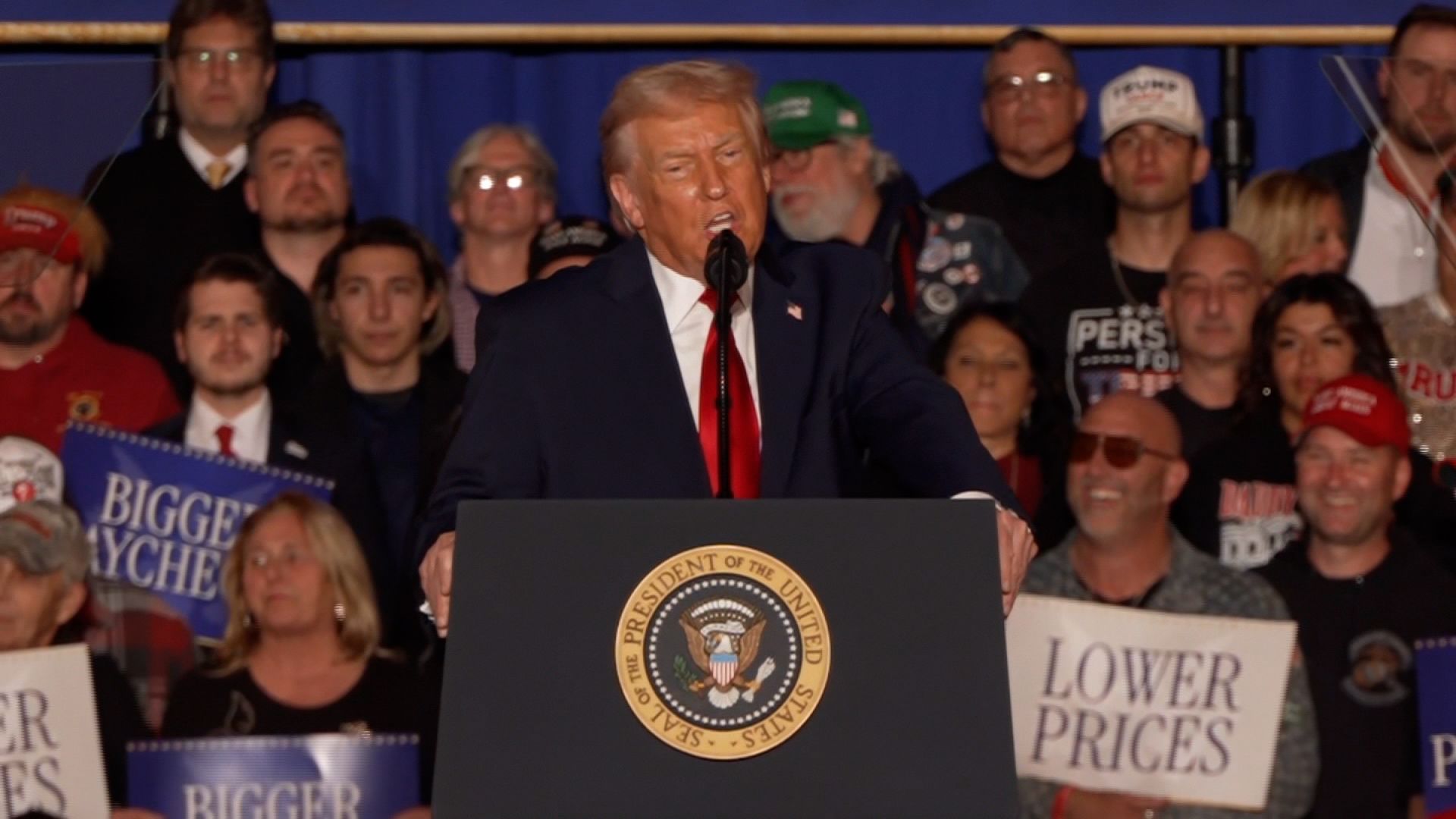
Intelligence Dispute:
United States intelligence officials have publicly declined to verify warnings from Israeli counterparts regarding alleged Iranian assassination plots targeting former President Donald Trump. American security agencies maintain that while threat streams remain active and heavily monitored, specific plots involving sophisticated aerial threats against state aircraft lack conclusive corroboration from domestic surveillance networks.
Strategic Background:
The divergence in threat assessments stems from differing intelligence-gathering methodologies and priorities between Washington and Jerusalem regarding Iranian regional operations. Tensions have intensified following previous high-profile security breaches and ongoing geopolitical friction in the Middle East, prompting heightened protection protocols around major political figures.
Geopolitical Implications:
This rare public friction underscores the complex coordination challenges facing international allies sharing high-stakes security data. For global observers and Indian strategic planners, the episode highlights the delicate balance between threat vigilance and evidentiary verification in transnational counter-terrorism operations.
Pulse Intelligence
Context & ImpactContext & Background
- United States security agencies have continuously monitored Iranian threat streams targeting former government officials.
- Israeli intelligence previously shared detailed assessments warning of sophisticated plots directed against high-profile American political figures.
Key Consequences
- Law enforcement agencies will likely maintain elevated security protocols around high-profile political figures despite the assessment gap.
- Intelligence sharing mechanisms between Washington and foreign partners may undergo internal review following the public divergence.
Market & Economic Impact
No direct market impact.
The Indus Pulse is committed to accuracy and transparency.